







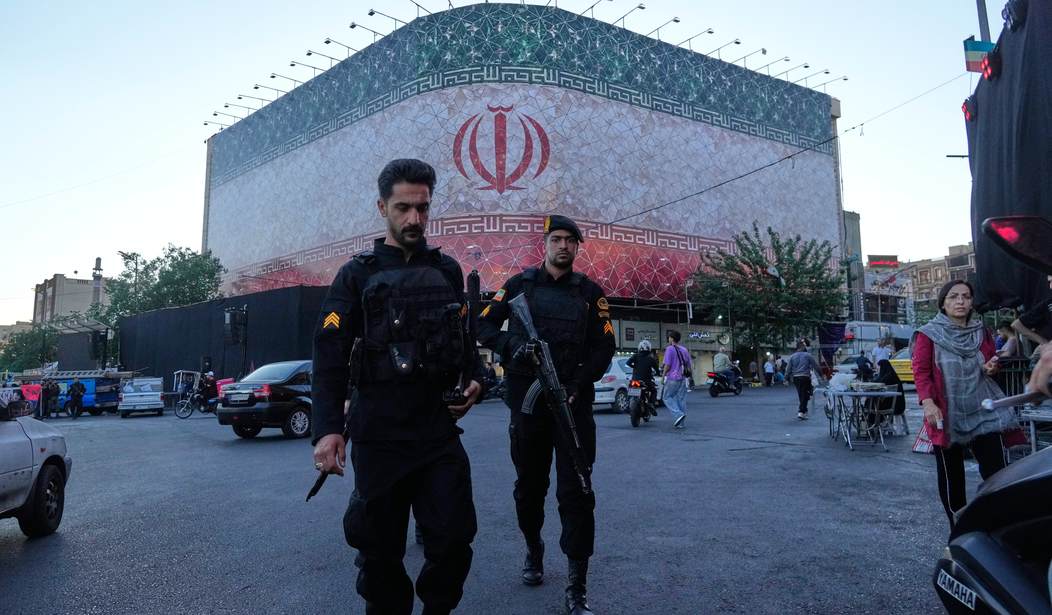
Iran has escalated attacks on shipping in the Strait of Hormuz, putting three tankers out of commission while continuing to attack U.S. and allied bases in the region. Meanwhile, the U.S. delivered several massive strikes on Iranian infrastructure on the 10th consecutive day of retaliatory attacks.
Now, Iran's tribal Houthi allies in Yemen have announced a blockade on Saudi Arabia’s oil shipments through the Red Sea’s Bab al-Mandeb Strait. The Saudis were using the Red Sea to ship some of their oil, avoiding the mess in the Strait of Hormuz. Located at the southern end of the Red Sea, it connects the Gulf of Aden (and the broader Indian Ocean) to the Red Sea.
If the Houthis are successful (most analysts don't think they have the capability to blockade the Strait), it would cut world oil supplies by an estimated 7%. According to the Washington Post, "Already, 10 percent of global oil shipments are halted by disruptions in the Strait of Hormuz, which has been largely shut by Iranian threats and mines since the U.S. and Israel launched the war five months ago."
The strategic situation facing the president is extremely tricky. His options have been shrinking since the end of the ceasefire two weeks ago. Iran's riverboat gamble in closing the Strait, hoping the pressure on the U.S. from allies to open the Strait would give them ceasefire terms better than they deserve, would require a capitulation from the U.S. that President Donald Trump can't accept. Meanwhile, Iran is hurting itself more than the U.S. in closing the Strait, as the halt to Iranian imports of fertilizer and refined oil products is making a collapse of the Iranian economy imminent.
Trump knows this and is increasing the pressure on Tehran by a series of escalating attacks on Iranian infrastructure. Now that the Houthis have all but joined the war, the situation threatens to spin out of control and war could engulf the entire region.
One option Trump is reportedly considering involves "a massive joint military campaign with Israel to force Tehran's capitulation," according to Axios. This "all in" option has been urged by Israeli Prime Minister Benjamin Netanyahu for some weeks, and given the strategic choices facing the president, it might be his best option.
But not quite yet. Trump appears to be giving diplomacy one last shot.
Qatar, Egypt, Pakistan and other regional mediators have presented the U.S. and Iran with a proposal for a 10-day ceasefire, two regional sources with direct knowledge of the effort told Axios.
The Trump administration is exploring the proposal and has urged Israel to avoid steps that could close the diplomatic window, U.S. officials said.
But Washington is simultaneously preparing for the talks to fail. The U.S. military has sent dozens of fighter jets and refueling aircraft to the region in recent days, assembling the forces needed for a major escalation.
Israeli sources said the IDF is on high alert and preparing for a possible expansion of the war into a full-scale, coordinated campaign within days.
Ten straight nights of U.S. bombing have failed to break Iran's grip on the Strait of Hormuz, dragging Trump deeper into a war he has repeatedly declared won.
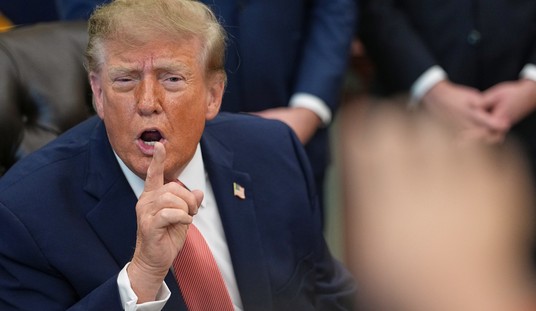
At least three U.S. service members have been killed in the renewed fighting. Trump said Monday he had ordered the Pentagon to make Iran pay "many times over" for every American death.
“As long as American hostilities in the region continue, the Strait of Hormuz will remain closed,” Iran’s Islamic Revolutionary Guard Corps said in remarks carried by the semiofficial Tasnim News Agency. This adds a sense of real urgency to the talks. It also makes a massive military action by the U.S. more likely.
Iran is still trying to find a way to collect "reasonable service fees" for ships passing through the Strait of Hormuz. It's hard to overstate how terrible that would be, not just for Hormuz but for international shipping around the world.
Iran has no legitimate claim to ownership of the Strait. The tankers would not be crossing in their sovereign waters. Accepting Iran's claim that it can legally charge ships for using the Strait of Hormuz is tantamount to piracy.
The best outcome of the war at this point is to inflict so much damage on Iran that it is forced to drop its silly notion of collecting tolls and other ludicrous stipulations regarding its claims of sovereignty over the Strait and adopt a reasonable negotiating posture.
Iran has not yet adopted anything "reasonable" in negotiating with the U.S., so the next best option is to force the Iranian economy to collapse. The fallout from that — including a nation of 90 million people starving and flooding neighboring countries with refugees — would be unacceptable in the short term. That leaves forcing Iran to the negotiating table to sign a deal beneficial to the U.S. and our allies in the region.
Editor's Note: The Democrat Party has never been less popular as voters reject its globalist agenda.
Help us continue exposing Democrats' plans to lead America down a dangerous path. Join PJ Media VIP and use promo code FIGHT to receive 60% off your membership.


Join the Conversation
VIP members get the ability to comment on articles.