The 2028 presidential race is already taking shape, and on the right, the focus has quickly turned to a familiar question: Who will carry the MAGA movement forward after Donald Trump?
The anxiety is understandable. Trump reshaped the Republican Party, and the party tends to do better when he’s on the ballot. While enthusiasm for Vice President JD Vance is clearly building, the GOP would be wise to resist the urge to anoint a nominee too early and allow the field to develop before making that call.
Former White House Press Secretary Kayleigh McEnany made this case in an interview with Fox News host Martha MacCallum, arguing that Republicans need a robust primary process to produce the strongest possible candidate. "I think it's very important that the Republican party have a competitive primary," she said. "It makes you tougher."
She pointed to the Democrats as a cautionary tale.
We all remember what happened. Joe Biden was forced out of the 2024 race, he endorsed Kamala Harris, and the party was forced to rally behind her without holding a primary.
"We see how much weaker, in my opinion, the left was by not having a primary," McEnany explained. That lack of competition, she suggested, left Harris unprepared for the general election — and Trump ultimately won. "I hope we have that competitive primary," McEnany added.
ICYMI: Rob Reiner’s Chilling Final Words at Party Suggest His Murder Was Preventable
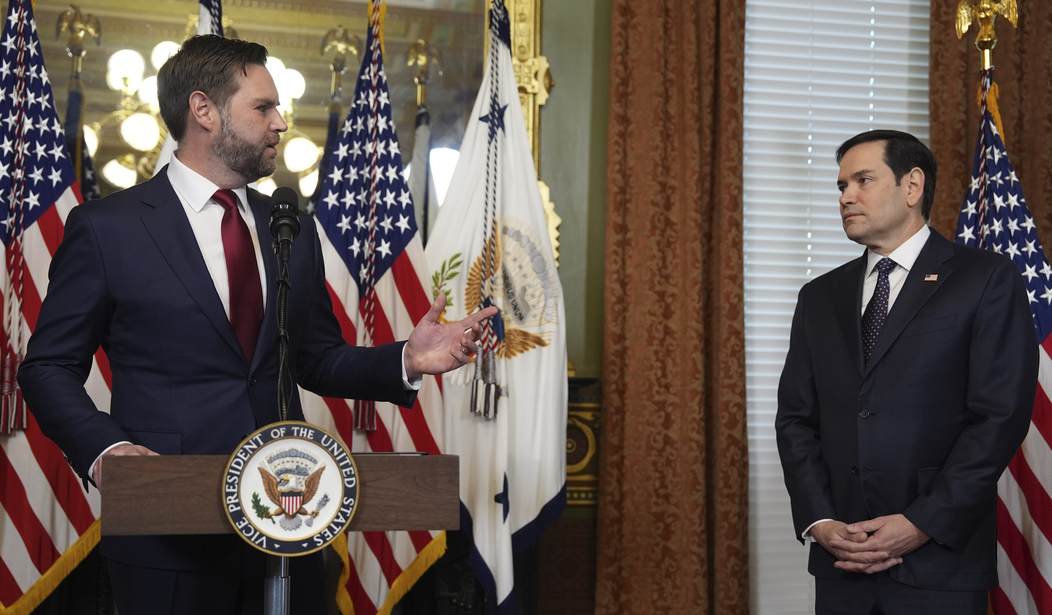
Her comments came just a day after Charlie Kirk’s widow, Erika Kirk, now the executive director of Turning Point USA, publicly endorsed Vance for the White House on Thursday at the organization's AmericaFest conference in Phoenix.
Kirk told the crowd, "We are going to get my husband's friend, JD Vance, elected for [48th president] in the most resounding way possible." She also vowed to keep Congress in Republican hands for Trump's entire second term.
McEnany acknowledged that Kirk's backing gives Vance a significant advantage, calling it a "leg up" as the 2028 field starts to take shape. But she stopped short of endorsing him herself. Instead, she emphasized the benefits of a contested primary.
Vance, for his part, has downplayed any sense of entitlement to the nomination, and made it clear he knows he'll have to earn the nomination. "I'm not entitled to it just because I'm vice president," he said.
President Trump, surprisingly, has stayed out of the fray — at least officially. He said in August that it's too soon to endorse anyone for 2028, though he's described Vance as his "most likely" successor.
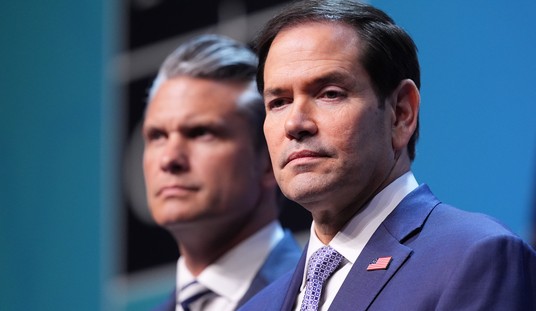
The broader GOP field is expected to be crowded. Likely contenders include Rubio, Florida Gov. Ron DeSantis, Texas Sen. Ted Cruz, Georgia Gov. Brian Kemp, Virginia Gov. Glenn Youngkin, and Kentucky Sen. Rand Paul. Each brings a different base of support and governing style, which could make for a contentious primary.
Primaries can be brutal for a party, but I’ve long felt that the party is better served by having one, and I was highly critical of President Trump for feeling entitled to the 2024 nomination, even though he was obviously the favorite. Now that Trump isn’t a factor at all, the need for Republican voters to have a full say in who takes over the movement is crucial. The question now is whether Republicans will heed that advice or fall in line behind Vance without any meaningful competition. With Trump declining to pick sides and a deep bench of potential candidates waiting in the wings, 2028 is shaping up to be anything but predictable.