







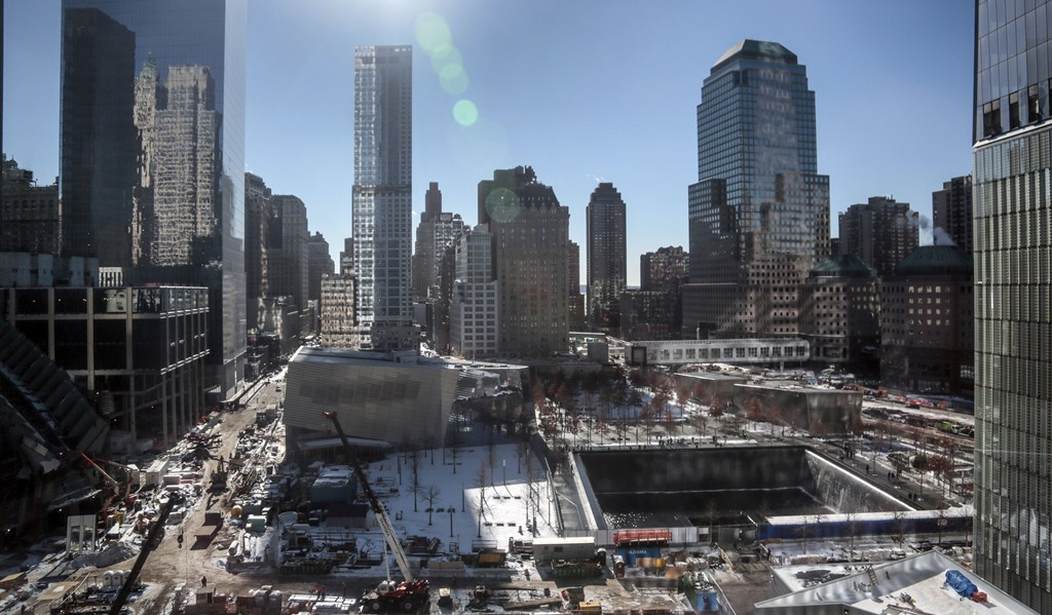
In October 2001, a memo to New York City Deputy Mayor Robert Harding listed a reason people might sue the city after the World Trade Center attacks. If public health advisories sent people back to Lower Manhattan too soon, they could be exposed to toxic material.
In an October 5 public statement, the city’s health department said the levels of airborne particles it was detecting posed no long-term health risk to the general public.
New York City released another 84,000 records on Sunday, in the third installment of a court agreement with 9/11 Health Watch. Mayor Zohran Mamdani and the city’s Law Department say more than 440,000 pages are now available online. For first responders, survivors, and their families, the records offer a way to trace what officials knew about the air and debris in Lower Manhattan and what they told people at the time.
From New York City’s Office of the Mayor:
“After the horrific terror attacks of September 11th and the devastating health consequences that followed, New Yorkers across the five boroughs demanded transparency from their government — but were met with silence,” said Mayor Mamdani. “We launched the City’s first public portal to make these records accessible to the people who have waited decades for answers. More than 11 million visits and 440,000 pages later, our work is not finished. We will continue releasing records until survivors, first responders and families have the information and clarity they deserve.”
“This third installment of records represents another step toward fulfilling the City’s commitment to providing New Yorkers with an unvarnished window into the City's post-9/11 response," said New York City Corporation Counsel Steven Banks. "We are actively dismantling decades of municipal bureaucracy and delay to make these records publicly available – information that first responders, survivors, and victims' families have waited 25 years to see."
The Harding memo was among the records the city posted in September, when it opened the portal and announced settlements in two lawsuits. The first release included about 170,000 pages and a collection known as the “68 boxes.”
The city says it located those records in 2025 after multiple requests under New York’s Freedom of Information Law. In October, the city announced a second release of 40,000 more records.
The agreement followed years of requests and appeals. In September 2023, 911 Health Watch filed a records request. By March 2024, the city’s emergency management office had denied an appeal, and the group filed a court challenge that June. That sequence helps explain why Sunday’s release matters to families who have spent years asking for the records. Even after the city and the group reached an agreement, the files have come out in installments as the Law Department reviews them.
The memo assessed the city’s legal exposure. It also listed potential claims over faulty or missing respirators for rescue workers and unsafe working conditions. Its value lies in what it adds to the timeline. Within weeks of the attacks, an internal city memo had identified toxic exposure from an early return as a potential basis for lawsuits.
Finding out what health officials knew when they issued their statements requires looking at the tests they had, where samples were taken, and who saw the results.
Federal officials publicly assured the public. On September 18, 2001, the EPA said the air was safe to breathe. In 2003, the agency’s inspector general concluded the EPA lacked sufficient data and analysis to make such a broad statement at the time. The inspector general examined the federal agency’s statements. The city archive gives the public a way to examine the separate decisions New York City officials made.
Mamdani’s administration worked with 911 Health Watch to identify records for the September release. The city says it’s reviewing more files and removing personally identifiable information before publishing them. More installments are expected in the coming months.
Some people also need records for practical reasons. As part of the agreement, the city said it would assign staff to help people obtain documents for federal health and compensation programs. The World Trade Center Health Program monitors and treats eligible responders and survivors. The city’s commitment gives people a place to ask for help finding the records they need.
People who went back to work or returned to their apartments had to act on the information available to them. A quarter century later, they and their families can read more of the record behind those decisions. The questions they’ve asked for years are specific enough to guide anyone opening the archive.
What did officials know, when did they know it, and what did they tell the people who had to decide whether to go back?
Help support PJ Media’s reporting and commentary. Get 60% off PJ Media VIP with promo code FIGHT.


Join the Conversation
VIP members get the ability to comment on articles.