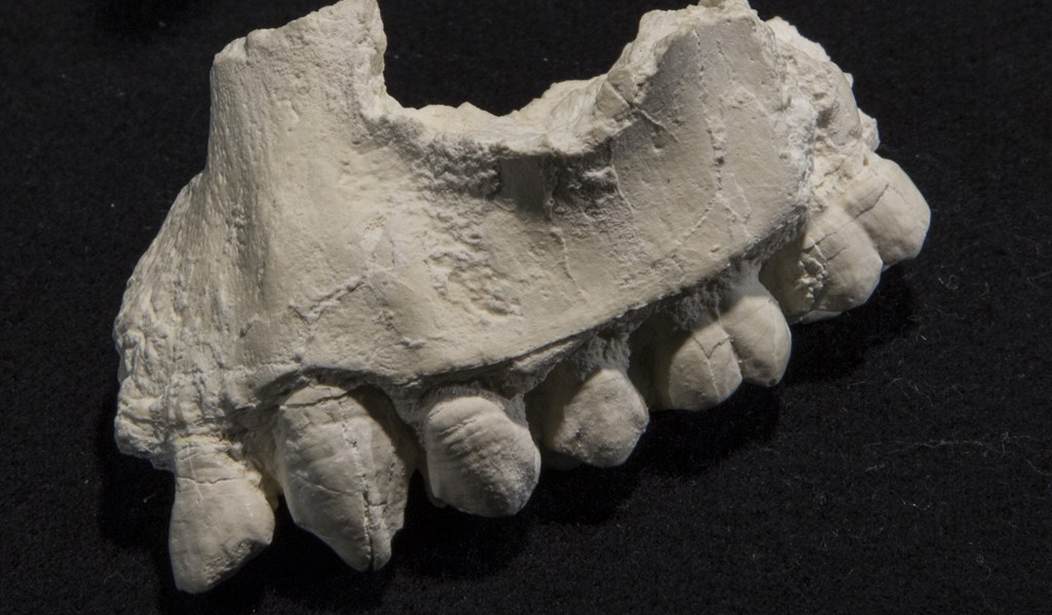

Seven-year-old Arthur was exploring Lizard Point on the southern edge of Cornwall, England, in August 2025 when he noticed something in the ground; they looked like teeth. He carried them to volunteer Ken Wallace, a retired dentist. Wallace immediately knew that Arthur hadn’t found an animal bone or a strange shell; the teeth were human.
A short police inquiry ruled out a modern crime scene, and National Trust Archaeologist Jim Parry took over. The eroding coastal mound soon yielded jaw fragments, more teeth, and part of a skull. By November, archaeologists had uncovered the remains of five people, all laid east to west, with no clothing or artifacts buried beside them.
Then the dates came back. Radiocarbon testing places the remains in the early 1720s, and researchers conclude they likely came from one event rather than burials spread across generations. One of the dead even carried a small piece of ordinary life with him: wear on his front teeth may have come from years of smoking a clay pipe.
From the National Trust site:
The location at Lizard Point strongly suggests these remains may be the victims of a shipwreck which would date them from before the Burial of Drowned Persons Act of 1808. One possibility is that the remains are connected to the Royal Anne Galley, which was wrecked off the Lizard in 1721. Historical accounts record that more than 200 people lost their lives in the disaster, with only three survivors.
For generations, local stories and traditions have spoken of where the victims of the Royal Anne Galley were buried. However, despite these accounts being passed down through the years, no confirmed burial site had ever been identified. The discovery of these remains, likely dating to the same period as the shipwreck, raises the intriguing possibility that the long-lost resting place of some of those who perished may finally have been found.
The year mattered because on November 10, 1721, the Royal Anne Galley was fighting bad weather off the same Cornish coast. The Royal Navy vessel, built at Woolwich in 1709, was the last oared fighting ship constructed for the service. She was carrying John Hamilton, Lord Belhaven, to take up the governorship of Barbados when the storm drove her onto the Stag Rocks.
The Royal Anne broke apart. Contemporary and official records differ slightly on the total aboard, but they agree on the horror of what happened: only three survived. A broadside published soon after the disaster put the number aboard at 210 and named the survivors as George Hain, William Godfrey, and a boy named Thomas Laurence.
For generations, Cornwall carried a story that bodies from the Royal Anne had been buried near the cliffs. Archaeologists went looking for the legendary mass grave at Pistil Meadow years ago and didn’t find any human remains. By 2016, investigators had good reason to doubt later stories claiming roughly 200 victims had been buried together there.
Arthur’s tooth reopened the question in a place where the evidence is now very different. The new burial site contains about 12 identified individuals so far, and archaeologists believe the full site may hold 20 to 25 people. Its location, early 1720s dating, east-to-west burials, and evidence of a single event all make shipwreck victims a strong possibility.
Nobody can yet say these are definitely victims of the Royal Anne. The final excavation is underway this fall, after which specialists will clean, catalogue, and study the remains. If the evidence continues pointing toward November 1721, Arthur may have found part of the resting place people had searched for, three centuries later.
The wreck itself is no legend. Divers located the site decades ago, and silver cutlery bearing Lord Belhaven’s family crest helped confirm its identity. Guns, coins, a gold ring belonging to the captain, and other objects survived beneath the Atlantic.
The people who died aboard her proved harder to find.
Maybe that’s why Arthur’s discovery feels so remarkable. A warship disappeared into history with more than 200 souls aboard, while stories of their graves grew, changed, and sometimes failed the test of archaeology. Three centuries later, a 7-year-old bent down, picked up a tooth, and handed history another chance to tell the truth.
Arthur didn’t know whose tooth he was holding. We still don’t know, but somewhere beneath that Cornish soil, men reduced to numbers in an old shipwreck story are becoming people again.