





When the White House revealed Monday that consumer prescription drug prices actually dropped over the last 12 months, I did a double take because drug prices don't do that. Not in my lifetime, at least — and that's no exaggeration.
The Daily Record reported on Friday that "Prescription drug prices recorded the biggest year-over-year drop in more than 60 years in July, a startling reduction experts chalked up to an array of factors," which we'll get to momentarily.
"Drug prices have not fallen this fast in six decades," according to the data — and I'm 57. So I wasn't exaggerating at all when I said it hadn't happened in my lifetime.
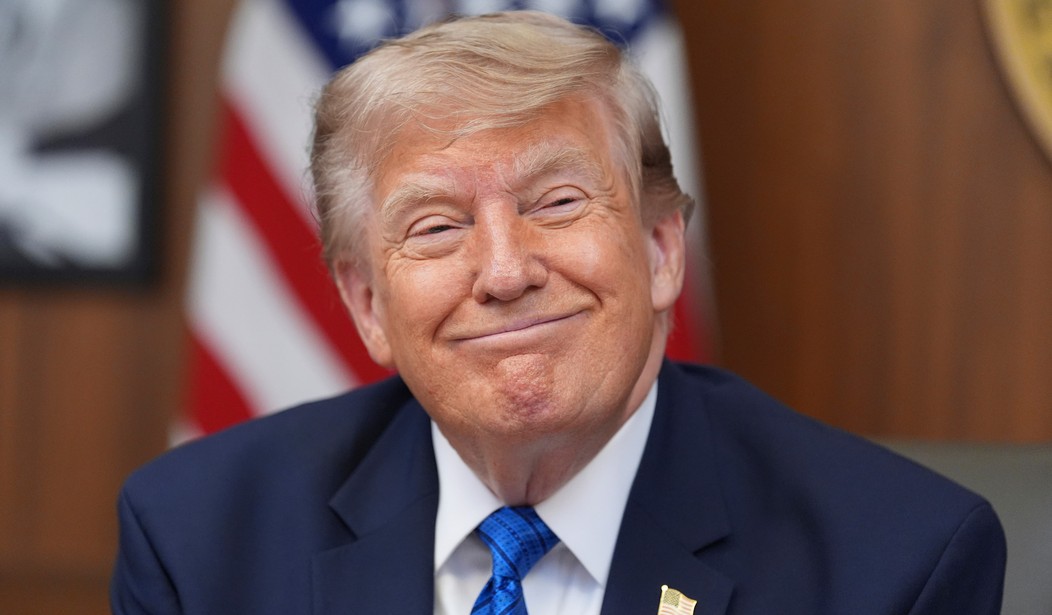
Naturally, the administration trumpeted the good news as "a direct result" of President Donald Trump's "bold action" on drug prices. "Prescription drug prices are down 3.9% since President Trump took office and have fallen every month of 2026," according to a White House statement backed up by BLS data revealed last week, while "Nonprescription drugs are down 2.4% over the same period."
To find out how that compares to previous years, I sicced ChatGPT and Grok loose on the question, and both LLMs returned similar results: in the decade from 2015-2025, prescription and non-prescription drug prices overall were up about 18-19%.
I was pleasantly surprised to learn that they actually lagged behind the rate of inflation, which overall medical spending did not. During that same period, overall healthcare spending increased a staggering 66% — or nearly double the inflation rate.
And most of that was driven by the twin devils of Medicare and Medicaid, both rife with fraud, perverse incentives, and consumer opacity like a lead wall.
But I digress, if only slightly.
Here's the real meat inside the administration's announcement: "The Trump Administration’s revolutionary TrumpRx platform has already generated $700 million in savings for millions of American patients. GLP-1 medications that once cost over $1,000 a month are now available starting as low as $149. Fertility drugs, inhalers, insulin, cholesterol treatments, and dozens of other high-cost drugs have seen cuts of 50–90% or more."
Emphasis added for reasons that will become clear momentarily.
Last year, Trump used a combination of the federal government’s enormous purchasing power and a credible threat to impose “most-favored-nation” pricing on GLP-1 makers like Eli Lilly and Novo Nordisk to get those huge price reductions.
Previously, weight-loss medications weren't available for Medicare/Medicaid coverage, but the administration changed that rule for GLP-1 drugs because they appear to have benefits far beyond weight-loss. In exchange for lower prices, drugmakers got access to a far larger market.
And what do Medicare/Medicaid recipients get? A drug that shows promise against diabetes, high blood pressure, cardiovascular disease, heart failure, sleep apnea, and more. Those are in addition to the general health improvements gained by shedding excess weight.
So when I see that prescription drug prices went down while making GLP-1 much more widely available, I can't help but think of the broader implications that might have for our unsustainable public healthcare spending. If we could get those increases in line with inflation, we'll have put a big dent in Washington's seemingly permanent budget crisis.
In the interest of fairness and balance, I must remind you before we finish that the Trump 47 administration has done nothing — nothing! — to reduce consumer prices for coffee or distilled spirits, despite the fact that I drink both of them medicinally.
Could we at least get a tax write-off? Please?
Recommended: Pop Your Corn: It's Billionaire Vs. Billionaire for the Future of California
Trump isn't the only one reducing costs.
PJ Media VIP members get tons of exclusive goodies, including podcasts and video live chats with your favorite writers. You can support alternative conservative news and save 60% with promo code FIGHT.
Join the Conversation
VIP members get the ability to comment on articles.