





When my dad and brother would spend time in deer camp, shooting the shingles, he once shared how poor, undernourished Latinos wanted to go to America to see for themselves if the rumors were true.
That the United States was full of poor, obese people.
Those days, fortunately, may well be over.
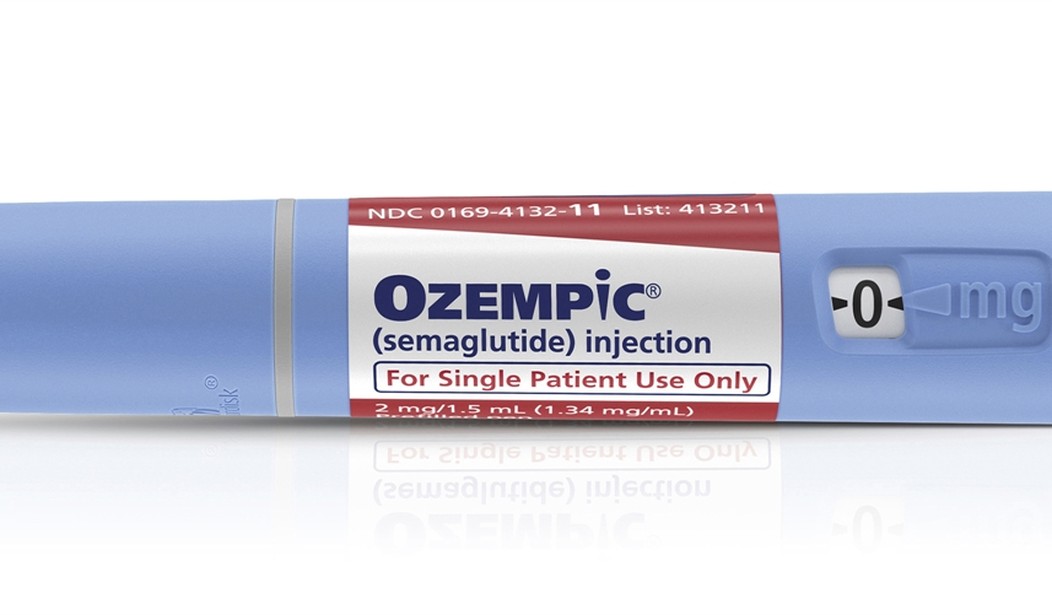
Ozempic and similar GLP-1 medicines now reach more Americans than ever, and the early national numbers show a shift worth taking seriously. Prescriptions for GLP-1 drugs such as semaglutide and tirzepatide rose from 1,884 to 8,819 per 100,000 adult patients between the second quarter of 2021 and the first quarter of 2026.
During roughly the same stretch, the share of adults classified as obese fell from 42.3% to 40.7%, while the healthy weight share edged up from 25.1% to 25.6%. Nobody should declare victory from a single trend line, but Americans have seen many obesity numbers move in the right direction.
A national survey shows an even sharper change. Adult obesity reached 39.9% in 2022, then fell to 37% in 2025. In practical terms, roughly 7.6 million fewer adults met the obesity standard than three years earlier.
GLP-1 use for weight loss more than doubled since early 2024, and about 12% of U.S. adults now report using the drugs. Diabetes diagnoses still reached 13.8%, so the larger health picture remains complicated. Lower obesity rates help, but America hasn't suddenly escaped the bill for decades of bad food habits, sedentary work, cheap calories, and medical neglect. From the New York Post.
While it’s too early to tell how much of an impact GLP-1 drugs like Ozempic will have on obesity rates, the results are a promising indicator.
The CDC had previously estimated in 2023 that 40% of Americans had a body mass index (BMI) of 30 or higher — the classification for being obese.
Future obesity rates will depend on a number of factors, including several related to the use of weight loss medications.
Only about 12% of Americans are currently taking a GLP-1, and many people stop taking them for several reasons, including side effects, lack of health insurance coverage or high cost.
However, discontinuation of the drugs can lead to weight regain, as well as an increased risk of chronic conditions like type 2 diabetes or cardiovascular disease.
The promise comes with a catch; many patients stop taking GLP-1 drugs because of side effects, insurance barriers, or the plain fact that the cost can punish a family budget. Weight often returns after patients quit; doctors also know obesity usually involves behavior, biology, environment, stress, sleep, income, and access to care.
A weekly shot can help many people, but it can't rebuild every broken part of American health. The better reading is simpler and more grounded: medicine may finally be bending one of the nation's most stubborn health curves, but the curve still has a long way to go.
The rise of GLP-1 drugs has also changed the choices patients make. Bariatric surgery rates have slowed as more people try medication first. A recent analysis found GLP-1 prescriptions rose from 0.03% to 5.3% across seven years, while bariatric surgery rates gradually rose through 2023 and then dropped in 2024 and 2025.
Even with all the attention around the shots, more than 90% of patients in the study received no obesity treatment at all. The public argument often jumps to miracle cures or moral scolding, but the real problem sits between those extremes: millions need help, and most still don't get any.
The science behind these drugs took decades, and the names deserve mention. Joel Habener of Massachusetts General Hospital, Svetlana Mojsov of The Rockefeller University, and Lotte Bjerre Knudsen of Novo Nordisk received the 2024 Lasker-DeBakery Clinical Research Award for work that helped create modern GLP-1 therapy.
Babener and Mojsov identified the active form of GLP-1, while Knudsen helped turn the discovery into medicines that promote weight loss. A discovery in a lab became a treatment in the refrigerator, then a national health story.
The country should welcome the decline without pretending the issue has been solved. Obesity still affects tens of millions of Americans. GLP-1 drugs don't work equally for everyone, and they work best when patients can stay on them under medical supervision.
Even so, the numbers now point downward after years of stubborn failure. For a nation used to losing ground in the obesity fight, a modest turn in the right direction still counts.
Hope doesn't need exaggeration; in fact, it works better without it.
America’s obesity numbers may finally be moving in the right direction, but the bigger story involves access, cost, long-term care, and whether medicine can keep pace with the damage already done. VIP members get the deeper read on stories like these, without the noise. Join today and use promo code FIGHT for 60% off.



Join the Conversation
VIP members get the ability to comment on articles.