





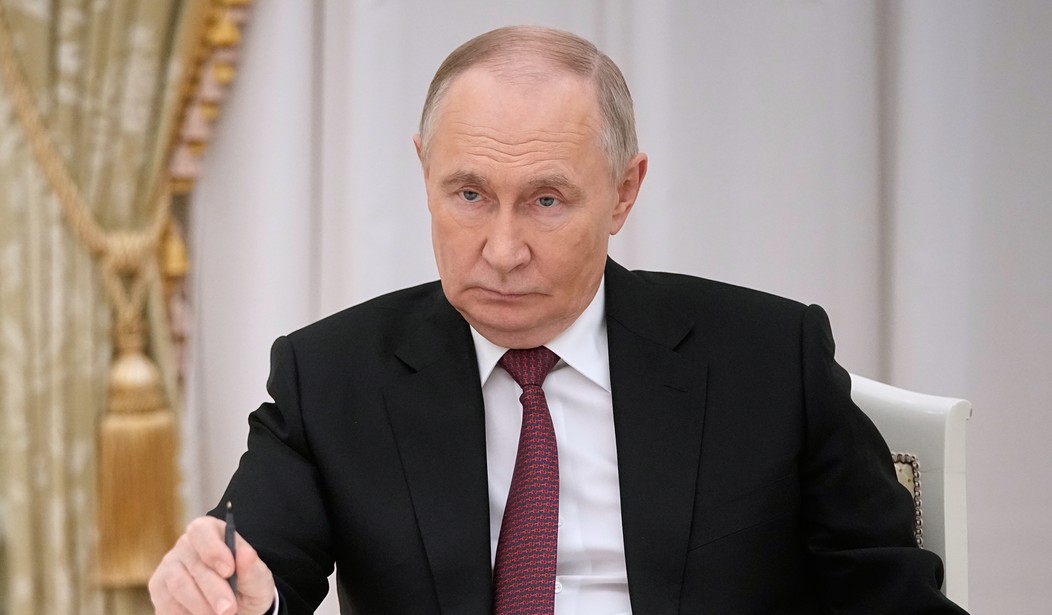
Russia has a money problem, and while it isn't unusual — the Kremlin wants to spend more than it takes in — increasing wartime pressures have the country's richest moving their riches out of the country.
Three hundred billion dollars worth of riches just in the first half of 2026, according to a report today from Bloomberg News.
"Several billionaires moved some additional assets out of Russia recently, amid concerns about the banking sector, according to some of the people and documents including corporate filings and property purchase records" that were seen and reviewed by Bloomberg.
Paywalled link, sorry.
For a little perspective, the entire Moscow Exchange had a total market cap of a little less than $300 billion in October 2021, before the war. So it's a bit like the entire pre-war MOEX just got up and left the country.
Perhaps more telling is that this year's capital flight reverses a trend that began in 2022 with the full-scale invasion of Ukraine. Russian billionaires used to be welcome sights in the West, with their "reputations for major business deals, glamorous property purchases, and lavish parties."
When sanctions hit, they "forced many Russian tycoons to move assets back to Russia and re-register their companies there." The Kremlin enjoyed a sugar rush of capital inflows.
The problem with sugar rushes isn't just that they wear off — it's that they can leave you with a nasty headache.
Former Ukrainian official Anton Gerashchenko reported earlier this week that "The fuel crisis in Russia has long ceased to be a problem solely for drivers and farmers," and is now "gradually becoming a problem for the state budget."
According to Gerashchenko, Russian authorities originally projected that the deficit in 2026 would amount to 3.8 trillion rubles ($49 billion), or 1.6% of GDP. "However, in the first half of the year alone, it reached 5.731 trillion rubles ( $74 billion) (2.5% of GDP)." In the first half of the year, the Kremlin's budget deficit was already 50% higher than the full-year projection.
"Ukrainian strikes on Russian oil refineries played a significant role in this." Despite sanctions, Moscow currently sells record amounts of crude oil, but that's nothing to brag about. Russia sells crude because the country isn't producing enough refined products for export. It's the equivalent of the Amish selling low-margin lumber because they forgot how to make furniture.
Moscow has raised taxes left and right, including a 10% hike in the VAT to 22% from 20%, expanding the tax rolls, and higher excise taxes on alcohol, tobacco, and sodas. But it isn't nearly enough.
"Last year," Mario Seminerio reported, "the Russian judiciary carried out seizures and confiscations worth more than $50 billion" to try and fill the growing gap between the Kremlin's increasing wartime needs and shrinking revenues. Now, Putin's judiciary is going after higher-profile targets, including the Rusal Group for alleged "failure to comply with a warning regarding an aluminum price adjustment."
Here's the catch. Rusal Group is run by Oleg Deripaska, who is sometimes referred to as "Putin’s favorite oligarch."
If the Kremlin is putting the squeeze even on Deripaska, then likely nobody is safe.
Recommended: CATASTROPHE: The Whole World Is (NOT) on Fire
Need more context? We got plenty more.
PJ Media VIP members get tons of exclusive goodies, including podcasts and video live chats with your favorite writers. You can support alternative conservative news and save 60% with promo code FIGHT.

Join the Conversation
VIP members get the ability to comment on articles.