





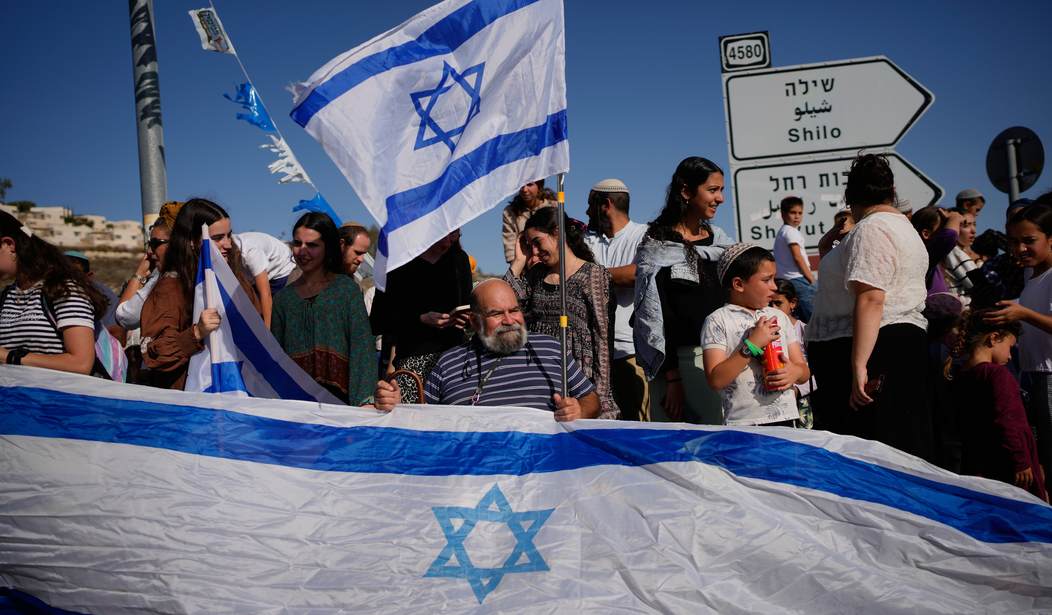
Shabbat Shalom! We are back from Israel, and seemingly just in time given the news of the last 24 hours.
The U.S. State Dept. has started evacuations of non-essential personnel from Israel (as well as Arab nations). "Due to the heightened tension in the Middle East and concern of unforeseen escalation, the U.S. State Department calls on its citizens to reconsider all travel to the entire region, Due to the heightened tension in the Middle East, the security environment remains complex with potential for unforeseen escalation," it stated. American citizens were called to exercise increased vigilance, follow media reports, and verify with airlines that their flights are scheduled as planned.
This is after another day and night of the U.S. and Iran exchanging attacks. Iran has bombed American bases in multiple countries, including Bahrain, where they "destroyed Bahrain's main artificial intelligence center using ballistic missiles and drones." There have been 7 days of continual attacks and counter-attacks, and in the last 24 hours, there have been claims from Iran of having destroyed tankers and other vessels in the Strait of Hormuz, while the United States has claimed to have destroyed all sorts of Iranian infrastructure locations.
This Shabbat we read the first portion from the book of Deuteronomy, where Moses begins recapitulating the journey of the Hebrews through the desert. This review of the decades of travel will continue throughout Deuteronomy, ultimately culminating with Moses dying before he enters the Promised Land, as the people, under the leadership of Joshua, begin their lives in the land that God promised them, the Land of Israel.
Often, people read the book of Deuteronomy, and many feel that it is unfair that Moses will not enter Israel. But there are a number of important teachings that come about as a result of his dying by a direct kiss of God in the middle of the wilderness, and no one ever knew where he died.
If we knew where Moses had died, it would have become a shrine. Over time, it would have become an icon unto itself, and people would be praying to his grave site as opposed to praying to God. There is also the teaching that there are different types of leaders. Moses was a leader of faith who could guide others through both a physical and spiritual wilderness. Joshua would become a leader who could unify the people as they entered a land filled with enemies.
But for me, the biggest lesson in the way that Moses died without having personally achieved the goal of his people has to do with what each of us must do in our own lives. Attributed to the sage Rabbi Tarfon, the teaching is found in Pirkei Avot 2:16: "It is not your duty to finish the work, but neither are you at liberty to neglect it."
We will never know the results of our efforts, for if we have done truly deep work, those efforts will be seen in future generations long after we have died. But all of our truly important work, such as raising our children, will not be seen immediately. This week's Torah portion, and the entire book of Deuteronomy, remind us that the best of our work will exist long after we are gone. Even if we don't see the results ourselves, we are obligated and have the privilege and blessing of acting righteously, so that we leave the world in a better place than we found it.
Every righteous action that we do is like throwing a pebble into a pond, and we will never know where the ripples will ultimately go.
Having just returned from Israel today, this Torah portion reminds me of the many beautiful things that we experienced over the last few weeks. Did the masons who built the Kotel over 2,000 years ago anticipate that 15 million human beings would come to honor God at that wall every year? When King Herod built Masada, did he ever imagine that a million people per year would still visit this ancient fortress to be inspired with courage and faith?
None of us can ever know what is going to happen in the future. But we are obligated and blessed to be able to do and build things today that may still be affecting people generations from now.
L'dor v'dor, "from generation to generation we will praise God's greatness.” And if we base our actions upon that spiritual relationship with God, what we do, whether we know it or not, will affect the future in ways we cannot even dream of now.
As the challenges in Israel and the Middle East escalate, let us all remember to strive to be the very best versions of ourselves and to act in ways that will create ripples through time.
Shabbat Shalom.,
July 17, 2026
4th of Av, 5786
Editor's Note: Do you enjoy PJ Media's conservative reporting that takes on the radical left and woke media? Support our work so that we can continue to bring you the truth.
Join PJ Media VIP and use promo code FIGHT to receive 60% off your membership.


Join the Conversation
VIP members get the ability to comment on articles.