







The chandelier stayed dark. Iranian President Masoud Pezeshkian sat at his desk in Tehran, Iran, wearing a jacket, with a lamp to read by and the heat off. The state broadcaster aired the scene to encourage people to conserve energy.
President Pezeshkian took state tv into his office amid #Iran's energy crisis and economic problems. The regime literally can't keep the lights on and wants people to reduce consumption. https://t.co/XHsdBcGrFk
— Jason Brodsky (@JasonMBrodsky) November 20, 2026
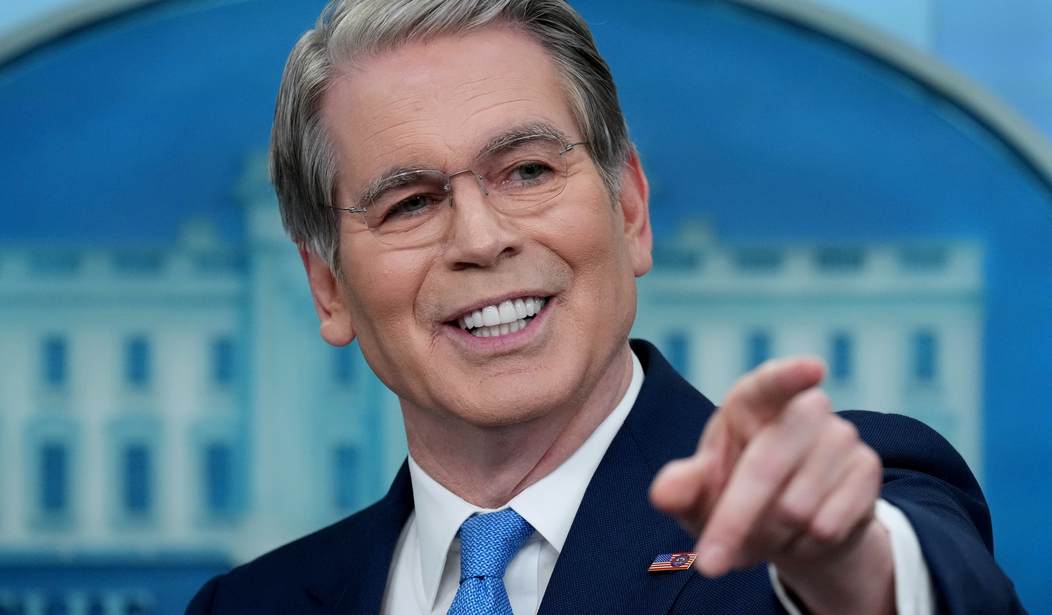
On Friday, U.S. Treasury Secretary Scott Bessent shared the video and wished Iran’s leaders “a wonderful winter.”
Good job, guys. Have a wonderful winter.
— Treasury Secretary Scott Bessent (@SecScottBessent) November 27, 2026
An Iranian Foreign Ministry official said the scene was a conservation message and didn’t depict the president’s normal working conditions. Pezeshkian could make his point, finish the segment, and get on with his day. Anyone watching at home had a more practical question.
How much heat could they count on when winter set in?
Four days before Bessent posted his reply, Treasury had announced sanctions on more than two dozen exchange houses, front companies, and key personnel tied to Iran’s shadow banking networks. Those networks help Iranian businesses pay suppliers and collect money from customers abroad.
Treasury says Iran’s central bank oversees the system through exchange houses and firms that act on banks’ behalf. An Iranian company that has trouble doing business through ordinary banking channels can turn to intermediaries to get a payment through.
Take one company in Dubai, United Arab Emirates. Its name says it sells food wholesale. Treasury says two sanctioned Iranian exchange houses used it to move millions of dollars for Bank Sepah. A bank can lose direct access to foreign finance and still get transactions done through companies abroad.
By naming the companies Treasury says handled those payments, Washington gives other banks a reason to look harder at who’s really on the other side of a transfer.
FinCEN identified about $14.7 billion in financial activity potentially tied to Iranian shadow banking from January 2025 through August 2026. The estimate draws on reports filed by financial institutions and measures transactions flagged as potentially linked to the network.
FinCEN saw flagged activity decrease from January to August 2026 and said it may indicate partial disruption.
From Reuters:
Treasury said Monday's sanctions hit two dozen Iranian exchange houses and front companies that have kept Iran's foreign trade running, including firms based in the United Arab Emirates, Turkey and Hong Kong, as well as key personnel.
“Iran’s economy is underwater, and its leaders are panicking,” Treasury Secretary Scott Bessent said in a statement. “Iran’s shadow banking system is the last financial lifeline of a bankrupt regime. Treasury will continue dismantling these illicit networks until we have buried the head of the snake.”
Treasury said Iran’s shadow banking system is overseen by the Central Bank of Iran and relies on dozens of Iran-based exchange houses and “rahbar companies,” bank affiliates that manage sanctions-evasion networks for their Iran-based clients.
Whether the November sanctions build on that remains an open question.
Iran struggled to keep the lights on well before the latest sanctions. In 2024, the U.S. Energy Information Administration attributed domestic power shortages to high demand, aging infrastructure, and insufficient investment.
That’s an engineering problem a conservation appeal can only do so much to address. Turning off a chandelier saves a little electricity. Keeping a grid reliable takes sustained work long after the television crew leaves.
Bessent says Treasury aims to cut off money Tehran uses to fund its military, weapons programs, and proxies. Judge the campaign on that. The next round of evidence should tell us whether the institutions Treasury named can still move money and whether the regime can find other firms to take their place.
The number of names on a sanctions list is easy to count. What matters is whether the regime can still make and collect the payments it depends on.
For Washington, there’s also a diplomatic test. President Donald Trump’s administration has used financial pressure to push Tehran to end attacks on shipping and reopen the Strait of Hormuz. Evidence of progress would come from what Iran does at sea and what commitments it’s willing to make.
Those are changes the rest of the world can see without waiting for another statement from either government.
Pezeshkian can turn the chandelier back on whenever he wants. The families his video addressed have to get through winter on the system his government runs. Bessent got his laugh, while the next thing worth hearing from Treasury is which payments the regime can no longer make.
Editor's Note: Don't miss PJ Media's massive holiday sale! Use promo code FIGHT to get 60% off your VIP membership!
Join our team of Patriots today and help us fight for the truth, fight against the Democrats' radical agenda, and fight to take our country back.
Join the Conversation
VIP members get the ability to comment on articles.