





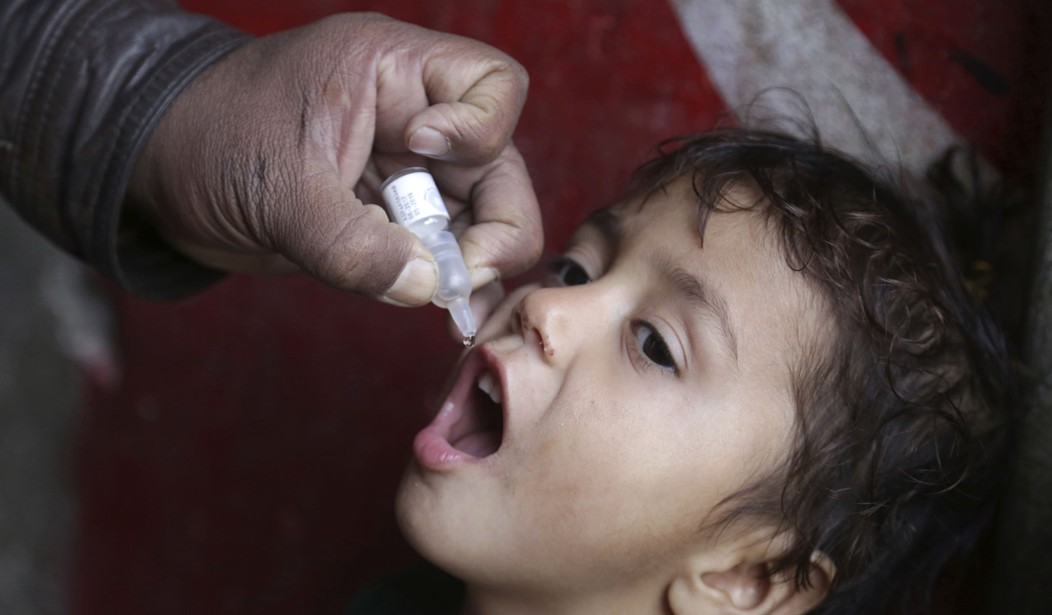
The Department of Health and Human Services (HHS) is changing its child vaccine recommendations as of Jan. 5.
In December, President Donald Trump ordered a comprehensive overhaul of the childhood vaccine schedule because many vaccines had not been properly tested. Jim O’Neill, acting director of the Centers for Disease Control and Prevention (CDC), accepted recommendations from a comprehensive scientific assessment today, according to a new HHS press release.
The Trump–Kennedy HHS aimed to investigate other nations’ childhood vaccine schedules and the science behind their approval. If a peer nation appeared to have a superior schedule, President Trump would order the U.S. HHS to adopt a similar one.
“After reviewing the evidence, I signed a decision memorandum accepting the assessment’s recommendations,” O’Neill said. “The data support a more focused schedule that protects children from the most serious infectious diseases while improving clarity, adherence, and public confidence.”
For Our VIPs: Tolkien's Truth: There Is Good in the World, and It's Worth Fighting For
The “Immunizations Recommended for All Children” category will include measles, tetanus, polio, mumps, rubella, pertussis, diphtheria, Haemophilus influenzae type B (Hib), human papillomavirus (HPV), pneumococcal disease, and varicella (chickenpox). The HPV vaccine inclusion might caught protests from MAHA advocates as it is tied to quite a few possible vaccine injuries, including cognitive disorder, based on independent studies.
The HHS press release explained:
The assessment reviewed 20 peer, developed nations and found that the U.S. is a global outlier among developed nations in both the number of diseases addressed in its routine childhood vaccination schedule and the total number of recommended doses but does not have higher vaccination rates than such countries. In fact, many peer nations that recommend fewer routine vaccines achieve strong child health outcomes and maintain high vaccination rates through public trust and education rather than mandates. For example, in 2024, the U.S. recommended more childhood vaccines than any peer nation, and more than twice as many doses as some European nations. At the lower end is Denmark, which immunizes children against 10 diseases compared to a total number of 18 diseases for which protection was provided in 2024 in the U.S.
Many of the vaccines added to the schedule in the last half century or so were more about making pharmaceutical companies money than about protecting children from diseases that seriously threatened them.
Kennedy explained back in June that the majority of the vaccines that have been added to the childhood vaccine schedule since 1986 were not tested with a placebo-controlled trial. This means that we cannot know for certain that they are safe and efficacious. Unfortunately, large pharmaceutical entities have a vested interest in not discovering if their vaccines and drugs are truly safe and effective, and too often the companies offer incentives to government officials that bias them.
Adjustment to the childhood vaccine schedule is a step in the right direction towards keeping our children healthy.
Editor’s Note: Support and follow PJ Media’s coverage of federal reform and other key news in this new year. Join PJ Media VIP and use promo code FIGHT to get 60% off your membership.

Join the Conversation
VIP members get the ability to comment on articles.