





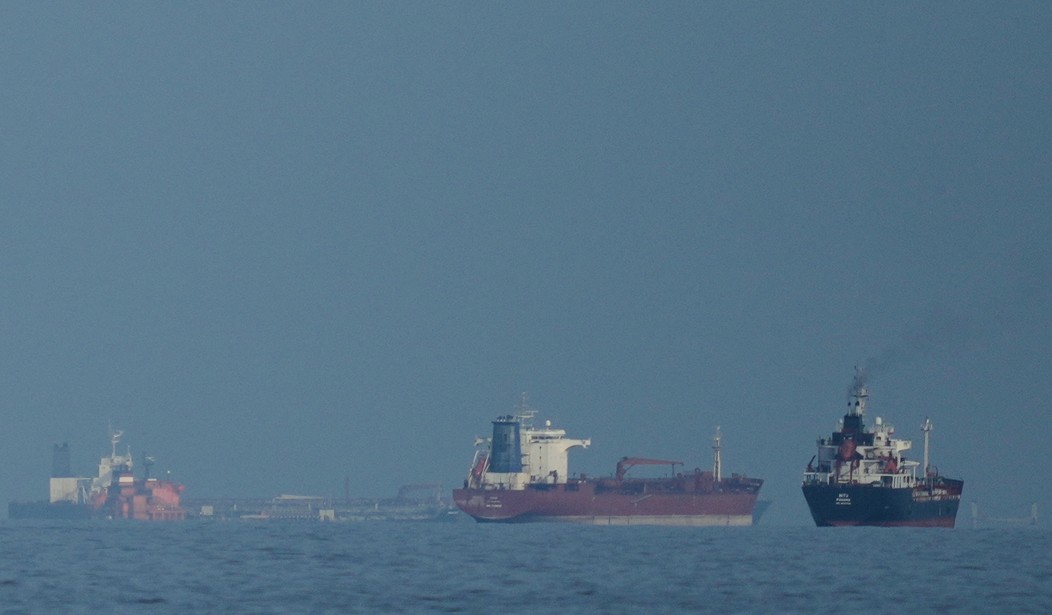
Iran and Oman have reached a joint agreement on sharing revenues associated with shipping through the Strait of Hormuz, according to Iran’s Islamic Revolutionary Guard Corps (IRGC). However, the strategically vital waterway, one of the world’s most important energy chokepoints, will remain closed until Tehran resolves its conflict with Washington.
The IRGC announced on August 26 that the two countries had finalized terms after a month of negotiations over the future management of the strait. IRGC spokesman Hossein Mohebbi said the talks produced results acceptable to both sides, including agreements on each country’s share of the waterway and its revenues.
The announcement followed weeks of negotiations over an interim system for restoring commercial navigation. Under the proposed framework, vessels entering the Persian Gulf would use a route through Iranian waters, while outbound traffic would use Omani waters. The arrangement would allow the two countries to collect fees for maritime services and transit, although officials have not publicly disclosed the precise revenue split. Earlier proposals had contemplated voluntary fees, but the Trump administration has opposed any attempt to impose tolls on international shipping in the strait.
Despite the IRGC's announcement, the terms of the agreement are not final. A senior Iranian source told Reuters that Tehran and Muscat were still working through technical details, including the permanent arrangement for shipping routes. The two governments had previously described their discussions as an "interim framework" for resuming navigation rather than a completed final settlement.
The IRGC also made clear that the agreement with Oman alone would not reopen the waterway. Mohebbi accused the United States of obstructing the negotiations and said that Tehran would restore passage only if Washington accepted the previously negotiated terms. He stated that if the White House rejected Iran's conditions, the strait would remain closed.
The dispute comes as energy shipments through the Strait of Hormuz remain disrupted following the beginning of the conflict in February. Before the crisis in the Gulf, the waterway carried roughly one-fifth of global oil and liquefied natural gas shipments. Commercial traffic has fallen sharply since the conflict began, contributing to higher energy prices and forcing energy producers and shipping companies to seek alternative routes and workarounds despite major efforts by the U.S. military to clear passage for shipping.
Shipping also remains hazardous. Iran recently blacklisted 45 vessels in an apparent effort to disrupt ship-to-ship transfers that Gulf energy producers have used to circumvent its blockade. Several oil companies have subsequently considered avoiding vessels on the blacklist, further complicating efforts to restore normal commercial traffic. Meanwhile, President Donald Trump announced that the U.S. will increase economic pressure to tank Iran's already sinking economy and bring the ayatollah's regime to heel.
The proposed Iranian-Omani framework may represent a significant change in how traffic through Hormuz is administered if it takes effect. Iran and Oman would coordinate commercial navigation and potentially collect substantial revenues from maritime services, while a temporary system could eventually give way to a permanent division of responsibilities.
For now, however, the agreement remains conditional. Iran says it has reached an acceptable understanding with Oman, while senior Iranian officials indicate that technical issues remain unresolved and the Trump administration continues to oppose Tehran's proposals. The next stage of negotiations will determine whether the framework can translate into the reopening of one of the world's most consequential shipping routes.
Support and follow PJ Media’s coverage of breaking news and key events. Join PJ Media VIP and use promo code FIGHT to get 60% off your membership.



Join the Conversation
VIP members get the ability to comment on articles.