







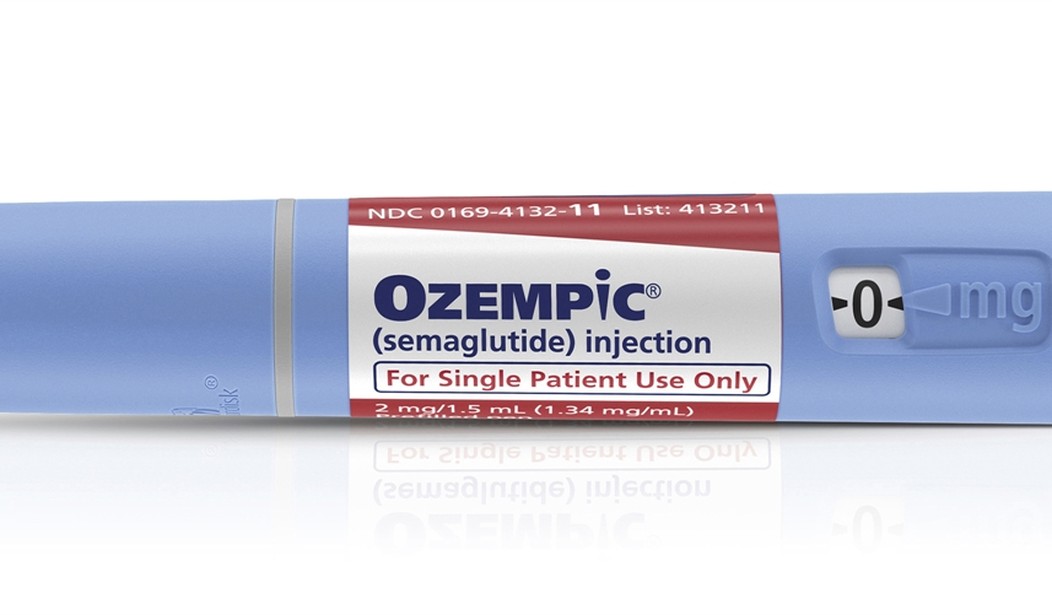
Could your little tyke’s vital organs really use some sunshine, fresh air, aerobic activity, and a few servings of whole food every now and then to stave off the body fat accumulation resulting from the tainted food supply and modern lifestyle?
Probably, but the high priests of The Science™ over at Novo Nordisk, manufacturer of Ozempic and Wegovy, have a better idea that requires much less parental effort (only a stab of the needle once or twice a week) and will only coincidentally pad their pockets: drugs!
Related: ‘Lab-Grown’ Meat Increases Blood Pressure, Inflammation, Depression: Study
The ongoing, years-long PR campaign, assisted by compromised corporate state media, to convince parents to inject their children with semaglutide (Ozempic and Wegovy) got a boost recently with the publication of a study purporting to demonstrate efficacy in the esteemed New England Journal of Medicine.
(Unmentioned in most of the mainstream reporting on this study is that it was sponsored and funded by Novo Nordisk itself, which would raise some ethical red flags in the mind of any serious journalistic outlet that wasn’t sufficiently bribed to ignore them.)
The only snag?
It also stunted their growth — significantly.
Via Children's Health Defense (emphasis added):
Novo Nordisk on Monday released results from a clinical trial of its blockbuster semaglutide weight-loss drug Wegovy in children.
The pharmaceutical giant touted a reduction in body mass index (BMI) in children ages 6-12 — but the children who took the drug grew more slowly than those who didn’t, The Wall Street Journal reported.
BMI is a measure of body size relative to age and sex, not a direct measure of health. Children who took the drug grew an average of 1.3 inches less than those who did not. Children in that age group typically grow 4-5 inches in two years.
💉 ‼️ New study: Wegovy helped kids as young as 6 drop ~13.5% of BMI in 68 weeks (vs +2.7% on placebo). 38% no longer met the obesity threshold. I’m a physician, scientist & dad of two. I’m very concerned about using these drugs in elementary-age children. These medications suppress the body’s core hunger and satiety signals. That can work in adults whose growth is finished. In kids still building bones, muscle, brains, and organs, it is a different risk. The WSJ reported that the younger children on the drug grew more slowly on average than those who didn’t—exactly the signal that should make us pause. Short-term BMI reduction is real. So are the unknowns: •Malnutrition and micronutrient deficiencies are already showing up in pediatric GLP-1 users (one analysis found roughly 1 in 6 diagnosed with a nutritional deficiency or related complication within a year). Growing kids need consistent calories, protein, calcium, iron, vitamin D, and more. •Risk of misuse to chase extreme thinness. •Limited long-term data on linear growth, bone accrual, brain development, and cardiac effects while these systems are still maturing. •Weight often rebounds when the drug stops—raising the prospect of years of treatment during the most critical growth window. Childhood obesity is a genuine problem (~21% of U.S. kids ages 2–19 have obesity per recent CDC data). But parents buy the food. Schools serve millions of lunches daily. Those are the levers we control right now. Improving the quality and portions of what kids actually eat and drink, plus more physical activity, is slower and less profitable than a weekly injection—but it doesn’t override the developing body’s fundamental regulatory systems. For most kids with obesity, start with the environment we can fix. Drugs that blunt hunger should be a last resort under tight specialist supervision with rigorous growth and nutrition monitoring—not the first or default option for elementary-age children.
— Houman David Hemmati, MD, PhD (@houmanhemmati) November 16, 2026
Related: Autopsy: ‘Miracle’ Weight Loss Drug Kills Fat Nurse
The BMI formula used in the study also doesn’t account for loss of lean muscle mass — which the placebo group also ended up with much more of than the kids getting the shots, as these drugs are known to shred muscle as well as fat.
Unmoved by the alarming side effects of the drugs for children — the long-term impacts of which for health and longevity remain uncertain — Novo Nordisk is now, on the back of that study, petitioning the FDA to give the go-ahead.
Via The New York Times (emphasis added):
New results from a closely watched clinical trial showed that weight-loss drugs are effective for children as young as 6…
Novo Nordisk, the drug’s maker, said it would ask the Food and Drug Administration to approve the medication for [preteen children]. The drug is already authorized for children 12 and over. Another new study, also presented at the conference, showed that the weight-loss drug tirzepatide was effective in children age 12 and older…
Use of these medications among children is rare, but rising: A recent paper found that around 20,000 children ages 8 to 11 were prescribed weight-loss drugs from 2019 to 2026, with annual prescriptions rising significantly over that time period.
Physicians who prescribe these drugs to young children say they want to address obesity as early as possible, to prevent children from developing severe obesity or related health conditions, including diabetes, liver disease and high blood pressure.
Editor's Note: Do you enjoy PJ Media's conservative reporting exposing the radical left and woke media? Support our work so we can keep bringing you the truth.
Join PJ Media VIP and use promo code FIGHT to receive 60% off your membership.


Join the Conversation
VIP members get the ability to comment on articles.