
President Donald Trump's trade team opened the USMCA renewal fight by sitting down with Mexico first, while Canada waited for its turn outside the room.
U.S. Trade Representative Jamieson Greer and Mexican Economy Secretary Marcelo Ebrard launched formal bilateral work in March 2026, then sent negotiators to Mexico City for the first full round during the week of May 25. The round wrapped on May 29, and both governments framed the talks around American supply chains, manufacturing, agriculture, steel, aluminum, autos, and the trade deficit with Mexico.
Canada didn't lose its seat under the USMCA, but Washington clearly chose the order of business. The second U.S.-Mexico round is scheduled for June 16 and 17 in Washington, with another round set for the week of July 20 in Mexico City. From Reuters.
But USTR's statement made no mention of bilateral talks with Canada. There have been few discussions between Greer and his Canadian counterpart, Canada-U.S. Trade Minister Dominic LeBlanc, since early March, and no formal launch of a U.S.-Canada negotiating process.
Greer said on Tuesday in Washington that the U.S. has "significant" differences with Ottawa on trade that will be difficult to resolve, notably that Canada has failed to accept U.S. President Donald Trump's imposition of tariffs on Canadian vehicles, steel and aluminum and to negotiate trade concessions like other major trading partners Japan, South Korea, Taiwan, Britain and the European Union.
Greer chided Canada for retaliating against the U.S. with its own tariffs on U.S. vehicles, steel and aluminum, saying only Canada and China had retaliated against U.S. tariffs. Several Canadian provinces have pulled U.S. liquor from store shelves.
On Wednesday, Canadian Prime Minister Mark Carney said Canada's military was negotiating to buy Swedish early warning radar aircraft from Saab rather than buying from U.S.-based Boeing (BA.N).
Deputy U.S. Trade Representative Jeffrey Goettman has helped lead the American negotiating effort, while Ebrard's team works to protect Mexico's export machine and ease pressure from tariffs.
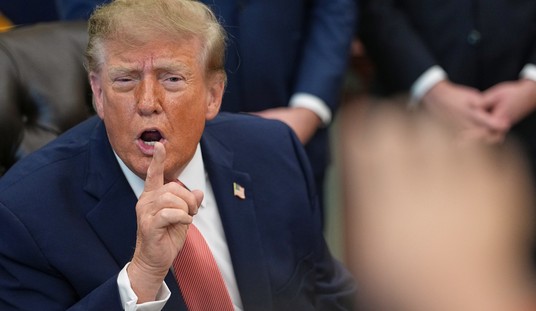
The structure sends a blunt message: Trump wants terms, not ceremonies.
USMCA took effect on July 1, 2020, as Trump's replacement for NAFTA. The agreement includes a six-year review, and July 1, 2026, now sits on the calendar like a factory whistle at quitting time.
The three countries can extend the pact for another 16 years, but if one government refuses, the deal shifts into annual reviews and could expire in 2036. A clean renewal would calm investors, farmers, manufacturers, and workers. A messy review would keep every plant manager, soybean grower, trucker, and parts supplier checking the horizon.
Prime Minister Mark Carney leads Canada through a weaker opening position than Ottawa would prefer. He's called for a renewed U.S.-Canada partnership and argued that Canada remains central to American energy, autos, aluminum, critical minerals, and defense supply chains.
Carney also wants Canada to reduce its dependence on the U.S. market by doubling non-U.S. exports over the next decade. He can sound cooperative one moment and defiant the next, which may satisfy Canadian pride, but Trump's team isn't negotiating for applause in Ottawa; it's negotiating for American leverage.
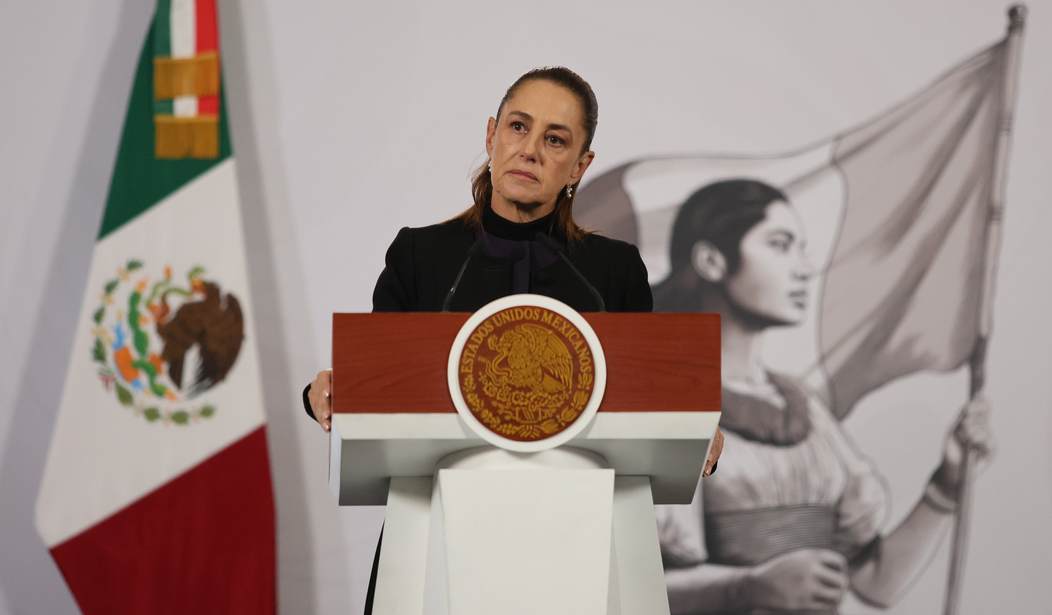
Mexican President Claudia Sheinbaum needs the deal alive because Mexico's economy heavily depends on cross-border manufacturing. Cars, parts, machinery, electronics, and farm goods move across North America every day. A steering column may cross borders more often than some families visit relatives.
Trump's concern, though, reaches beyond simple trade flow. His team wants tighter rules of origin, fewer backdoor routes for Chinese goods, better protection for American workers, and a supply chain built for strength rather than cheap political bragging.
Canada still has cards to play; Carney can point to oil, gas, uranium, potash, aluminum, lumber, autos, and minerals that feed American industry. Canada's U.S. Trade Minister Dominic LeBlanc will also have a role once Ottawa's direct talks with Washington begin. From Yahoo Finance.
Addressing the Economic Club of New York, Carney outlined Canada's economic strategy and the progress made so far. The visit is part of his government's efforts to drum up new international investment.
In his speech, he said Canada is weaving a web of international partnerships that is making it a stronger, more resilient and more independent country.
He said that's good for Canadians and also for the United States, because it makes Canada a better ally.
"Canada Strong will help make America great again," he said, echoing the slogan U.S. President Donald Trump has used in past presidential campaigns.
U.S. Ambassador to Canada Pete Hoekstra responded to Carney's comments Thursday, saying on social media that he thinks "a lot of Americans can get behind that kind of positive message."
Still, early momentum belongs to Mexico. Greer, Ebrard, Goettman, Sheinbaum, Carney, and LeBlanc all know one basic fact: North America can't compete with China while leaving loopholes wide enough for Beijing to drive a cargo ship through.
Trump's approach may offend diplomats who prefer soft lighting and careful smiles, but trade deals don't exist to make negotiators feel respected. They exist to serve the people who build, grow, haul, weld, package, assemble, and sell.
Canada can complain about waiting, Mexico can bargain hard, and Washington can demand more. The old NAFTA habit of assuming America would absorb every imbalance has ended.
Trump's USMCA reset starts with Mexico, but Canada should read the room before walking in.