







A chess player who knows what he's doing doesn't first announce checkmate. He'll slide a piece forward, with just enough force that makes everybody around him pause, look down, and realize the board isn't the same as it was seconds ago.
President Donald Trump asked NATO allies to support a potential U.S. acquisition of Greenland. His request landed with the weight of a surprise, but not an accident.
Trump framed his request around security, alliance responsibility, and Arctic stability; he wasn't selling his motive as curiosity; he presented it as a strategy.
The real question isn't whether Greenland changes flags; it's what Trump forces allies to confront by putting Greenland at the center of the conversation.
Greenland’s Location Changes Everything
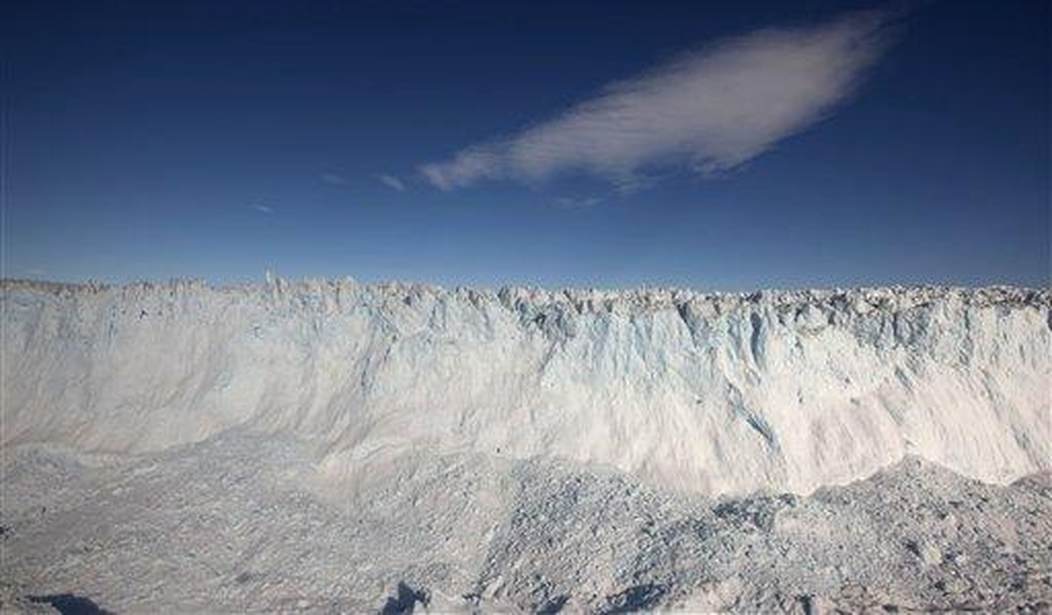
Greenland sits at the crossroads of the modern defense reality: Missile paths run shorter over the Arctic, shipping lanes open where ice once blocked passage. Surveillance, radar, and early warning systems need access to northern geography.
The Kingdom of Denmark has its label on Greenland, governed locally but, for defense, falls under Copenhagen's control. That arrangement worked during calmer decades, which have ended. Russia expanded Arctic patrols, while China declared itself a near-Arctic power.
Maps don't care about politics; they only care about distance.
Trump Pressured NATO Without Firing a Shot
When Trump requested NATO's backing, it placed quiet pressure on Denmark and neighboring countries. Trump expects NATO members to meet their defense spending commitments, but several still struggle to do so. In particular, Arctic defense lags behind the stakes involved.
Raising Greenland inside NATO's umbrella, Trump forces allies to answer uncomfortable questions. Who secures the Arctic? Who pays for it? Who shows up when geography demands presence instead of finely written statements?
It doesn't matter if Greenland transfers sovereignty; Trump's pressure would produce results.
The Public Signal Matters
Trump followed up his NATO request with a Rumble post underscoring Greenland's strategic value to American and allied security. He didn't bother hiding the logic; access control shapes outcomes, and geography dictates leverage.
His message traveled quickly; allies heard it as an expectation, adversaries heard it as a warning, and voters heard it as seriousness, not theater.
When Trump makes such narrow moves, options for everyone else become limited.
Denmark Faces a Decision Point
Denmark, whether it wants to or not, faces a decision: should it visibly strengthen its military presence across Greenland?
Infrastructure isn't free, nor is surveillance and readiness. There will also be political costs.
By making this move, Trump may be hoping to accelerate that decision. Either Denmark increases Arctic investment or invites continued pressure from Washington. Both decisions serve U.S security interests.
Hopefully, Norway and other Arctic neighbors are watching closely. A stronger Danish posture shifts regional balance without requiring American ownership.
That may be Trump's intended design.
Chess Versus Checkers
Critics are calling the idea reckless, while supporters call it bold. However, both miss the mechanics at work: Trump often introduces ideas to force reactions rather than immediately finalize deals.
Raising Greenland reframes Arctic defense as something urgent, not abstract. It tests the seriousness of alliances and exposes weak links without issuing ultimatums.
Checkers rewards the jump in front of you, while chess rewards the move that limits everybody else's options.
Is Trump Serious About Buying Greenland
Working in New York real estate taught Trump leverage; what amplifies that leverage is public discussion, but silence doesn't.
Greenland's leaders have openly talked about economic development and security partnerships. Denmark relies heavily on U.S. defense guarantees, and NATO relies on American leadership.
Trump recognized these realities instead of pretending they don't exist.
It doesn't matter if Greenland ever changes hands; what matters is if the Arctic defense hardens.
Final Thoughts
One quiet chess move forces the other player to adjust posture, defend territory, or reveal weakness. Trump's Greenland move did exactly that; allies are now talking about defense instead of drift, while adversaries see sharpening lines rather than blurred ones.
The board changed, even though every piece stayed where it was.
Strategy rarely announces itself on the first move. PJ Media VIP exists for readers who recognize leverage, timing, and power beyond surface reactions.

Join the Conversation
VIP members get the ability to comment on articles.