







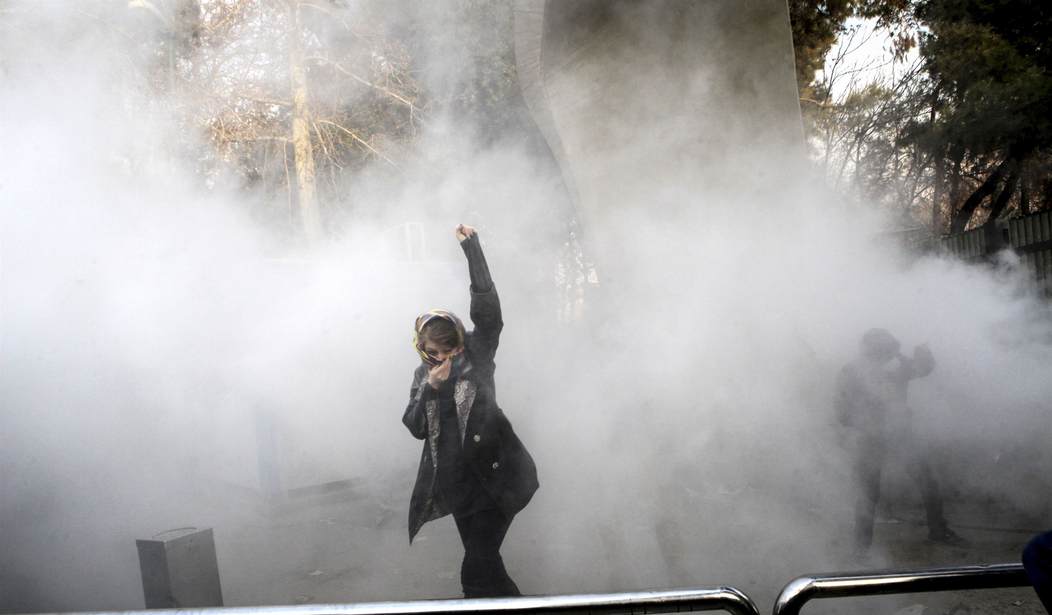
When dealing with pressure and pipes, a pressure valve only holds for so long when under high pressure. Steam quietly builds, while gauges creep upward, and silence feels stable until metal screams.
Iran reached that moment again beginning in late 2025, and the release turned deadly: at least 35, including four children, have been killed, and more than 1,200 detained during widespread economic protests across Iran.
Major demonstrations erupted in major cities and smaller provincial centers, marking the largest unrest in over three years. The timing matters; these protests mark the first major internal crisis for Tehran since President Donald Trump returned to the White House.
What Sparked the Protests
Struggling to get by amid sharply rising food prices, people protested. Fuel subsidies tightened, while wages remained flat, and Iran's national currency continued to lose value, cutting purchasing power for families already stretched way too thin.
High prices, corruption, and economic mismanagement led to protests. Videos circulating online showed crowds targeting banks, government offices, and symbols tied to the state's authority.
President Ebrahim Raisi's administration, of course, blamed foreign pressure and illegal gatherings. Using batons, security forces moved in, resulting in mass arrests, but the use of live ammunition was also employed in some areas.
Who Holds Power and Who Enforces It
The ultimate authority in Iran lies with Supreme Leader Ayatollah Ali Khamenei, who has final control over the judiciary, military, and state-run media. President Raisi oversees day-to-day governance, but sits at the top of the food chain.
Coordinating internal security is Interior Minister Ahmad Vahidi. The Islamic Revolutionary Guard Corps, led by Major General Hossein Salami, is a central player in suppressing unrest. The Basij militia is a volunteer force that operates under IRGC command and handles the street-level enforcement.
Human rights advocates reported rapid arrests, forced confessions, and communication blackouts during peak protest days.
Why 2026 Changes the Equation
This isn't the first time protests have erupted: What's different is that this one sits beyond Iran's borders. Trump returned to office pledging renewed pressure on Tehran, and he tightened sanctions enforcement. Again. Oil exports faced closer scrutiny, yet currency markets reacted fast.
It took a while, but the Iranian leadership understands that any leverage involved has shifted. Economic relief doesn't appear likely through simple negotiations, a reality that feeds public frustration, especially among younger Iranians who remember the broken promises shared by earlier reform cycles.
Now, the regime faces pressure from below and the constraints delivered from outside at the same time.
Echoes of 2022, With Higher Stakes
Protests in 2022 centered on social freedom and morality policing after the death of Mahsa Amini. These current protests cut closer to the heart of human survival, where economic protests unite broader demographics, including workers, merchants, and retirees.
The louder the protests, the harsher the security forces responded, suggesting that leadership had learned from past hesitations: control matters more than optics.
There's a cost to repression: Each crackdown deepens distrust and drains any claims of legitimacy. Arrests only temporarily silence the streets.
But not grievances.
What Comes Next
Iran's economy is one that's boxed in. Oil revenue flows unevenly; inflation erodes wages, and youth unemployment stays very high. Without structural reform or external relief, that pressure will begin rising again.
And again.
More than likely, leadership will double down on control, with expanding surveillance and harsher policing. Don't expect to see any concessions.
There is a historical pattern inside Iran: Economic pain drives protests, force restores order, and resentment simmers.
It's a cycle that repeats, but with shorter pauses each time.
The valve resets, while pressure returns.
Final Thoughts
When pressure valves fail, engineers don't argue with physics; they fix the problems or face ruptures. Iranian leadership keeps tightening bolts instead.
For now, the steel holds, but the sound underneath grows louder.
Moments shaping global stability often unfold far from headlines. PJ Media VIP tracks power shifts, unrest, and consequences that ripple outward fast. Join the conversation and support independent work.

Join the Conversation
VIP members get the ability to comment on articles.