







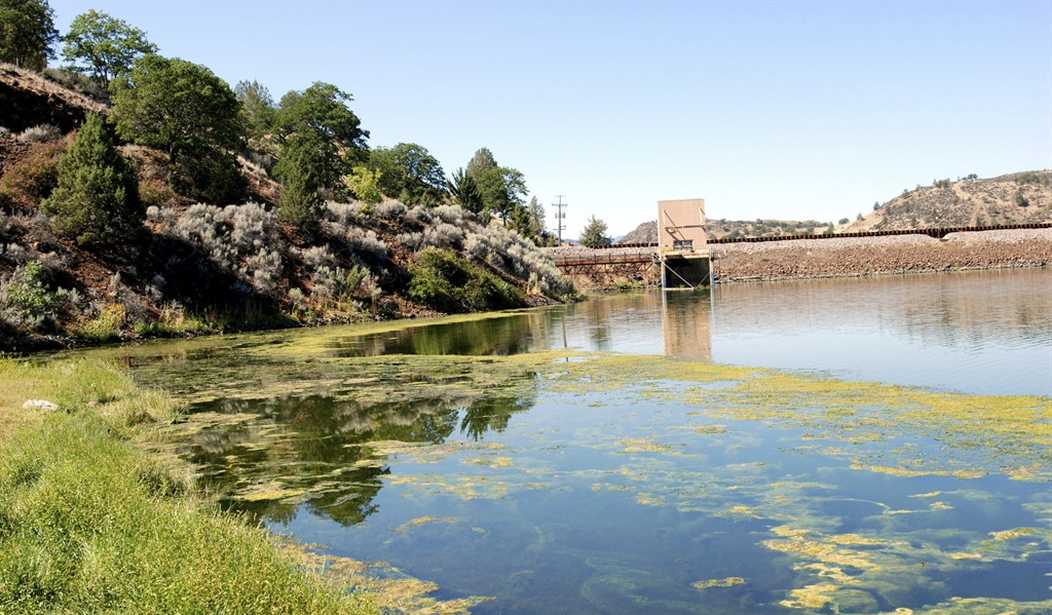
When looking at a house from the curb, it looks sturdy for years, while the soil beneath it slowly gives way. Doors stick, cracks appear, and nothing dramatic happens at first. Then, one day, the damage becomes impossible to ignore.
Over 2,500 U.S. dams, classified as high hazard potential, are sinking into the ground, often without visible warning. High hazard doesn't mean a dam will fall tomorrow; it implies that failure would likely cause loss of life or major downstream damage.
Many of those structures sit above towns, roads, power lines, and water systems that depend on the steady control of massive reservoirs.
The United States operates over 90,000 dams, most of which were built decades ago, many during the postwar construction boom. The average dam is now over 60 years old. Time, pressure, water, and soil movement never stop working against concrete and earthworks.
Recently, scientists used a satellite-based tool called Interferometric Synthetic Aperture Radar to measure how dams have moved over the past ten years. The technology detects ground changes measured in millimeters by comparing radar images taken over time — think time-lapse photography.
That method allows large-scale monitoring without setting foot on the structure.
What the study found was troubling: Many dams that are believed to be stable continued to sink year after year. The movement often occurs so slowly that it escapes traditional inspections that rely on surface checks and visual signs.
Hydroelectric dams received special attention because of their size and importance. These structures support power generation, flood control, and water supply for large regions.
When foundations shift, internal stress increases, forming cracks that then change load paths. Quietly, minor problems have grown.
High-hazard dams account for a smaller share of total structures, yet they pose the most significant risk because of what lies downstream. Radar data, combined with population and infrastructure maps, show many sit above dense communities that rely on early warning systems and long-standing stability assumptions.
Soil plays a central role. Many dams rest on materials that compress over time under constant water pressure. Seasonal wet and dry cycles add stress, while heavy rainfall and rapid snowmelt raise reservoir levels, increasing force against aging foundations. The dam itself may not look different, but the ground beneath it tells a totally different story.
Recommended: Restoring the Soul of the American Military
Other studies highlight rising overtopping risks as weather patterns grow less predictable. Water flowing over the top of a dam erodes surfaces and weakens the internal structure, accelerating long-term damage.
Maintenance funding lags behind need. Many dams are owned by states, local governments, or private operators with limited resources. Federal reports have warned for years that inspection and repair programs struggle to keep pace with aging infrastructure.
Failure wouldn't stop at flooding. Power loss, damage to transportation routes, contaminated water, and mass evacuation would follow. Recovery could stretch on for many years.
Foundations matter. When the ground shifts, even the strongest walls begin to lean. America's aging walls of water remind us that danger often grows quietly, long before anyone hears the crack.
PJ Media VIP members get deeper reporting on infrastructure risks and national readiness. Support independent work and unlock exclusive content by joining today. Use the promo code FIGHT to get 60% off your new membership.


Join the Conversation
VIP members get the ability to comment on articles.