







A ship can carry the strongest hull and fastest engines and still drift off course without a compass. In such vast distances in large oceans, direction matters as much as power, where purpose steadies motion when pressure builds.
America's secretary of War announced a plan to restore the United States military chaplain corps to the strength and respect it had held during the nation's founding era. The timing carries weight because the announcement arrives weeks before another anniversary of American independence, a moment when national identity stands front and center rather than tucked away.
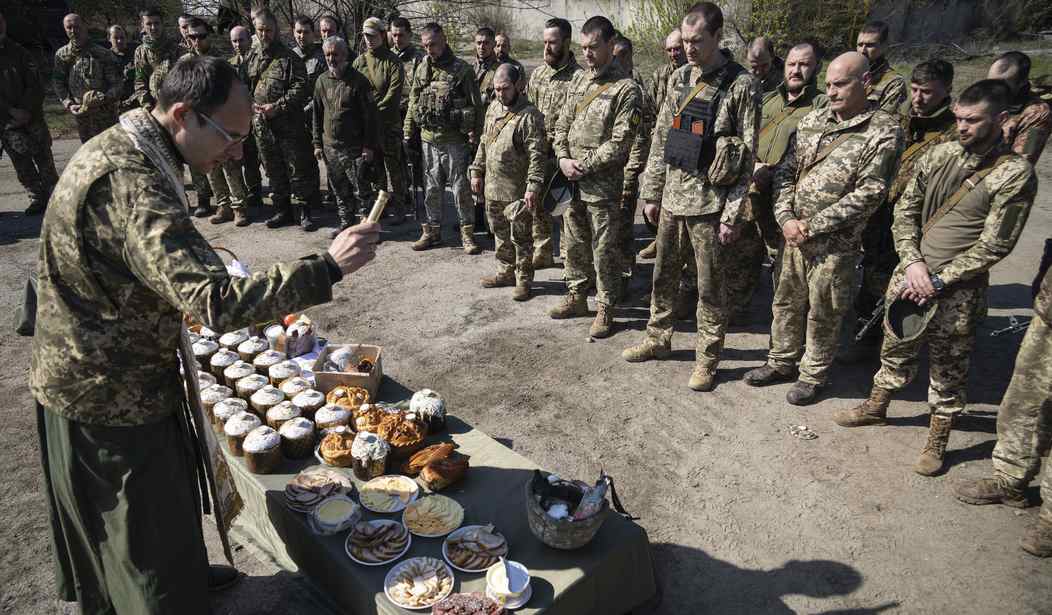
George Washington insisted that chaplains serve alongside troops from the earliest days of the Continental Army, understanding that morale didn't depend on drills, pay, or discipline alone. Soldiers faced fear, grief, doubt, and loss long before modern labels existed: Someone needed to tend to the inner life of the ranks.
Modern culture often treats faith as a private inconvenience rather than a public strength. Institutions lean so hard toward neutrality that conviction becomes suspect. Combat never shares that caution; war tests a conscience, whether policy welcomes the conversation or not.
The restoration plan focuses on rebuilding the chaplain corps with more apparent authority, stronger training pipelines, and broader access to service members across all branches. The mission centers on service, not sermon.
Chaplains advise commanders, counsel troops, and provide moral clarity during moments when decisions carry lifelong weight.
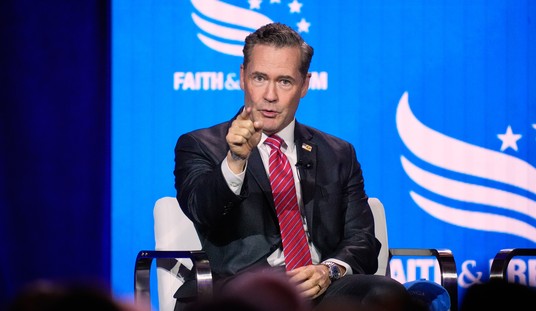
Secretary of War Pete Hegseth reiterated that chaplains serve ALL service members, regardless of their religious background. The role of a chaplain exists to support, not divide, a distinction that matters in an era quick to assume exclusion where none exists.
History supports the effort: Military chaplains have served in every American conflict, burying the fallen, comforting the wounded, writing letters home, and listening when no one else could. From frozen camps to desert outposts, chaplains remained constant even as technology changed.
Modern research on resilience reinforces what history already taught: Spiritual support improves mental health outcomes for troops under prolonged stress. Counseling rooted in purpose and conscience strengthens decision-making and emotional endurance. Faith-based care works alongside medical and psychological services rather than competing with them.
Troops don't leave belief at the gate: Faith follows them into uniform, combat zones, and quiet moments after loss. Ignoring belief doesn't erase or leave people alone with it.
Supporters view the restoration as long overdue because a force that recognizes moral struggle treats service members as human beings rather than replaceable parts. Strength grows when leaders acknowledge the full weight carried by those asked to fight.
What remains predictable is the political reaction: Cultural pushback always follows reminders of tradition, yet the issue predates modern arguments. Washington never saw faith as weakness; he saw it as ballast. When storms arrive, ships survive because weight keeps them upright.
A military grounded in conscience doesn't drift as easily. When orders press hard, and consequences linger long after the battle ends, someone must remind the warriors why restraint matters, why honor still carries meaning, and why courage rarely walks alone.
A compass never fires a weapon. It simply keeps the journey pointed true.
PJ Media VIP members get deeper reporting on leadership, culture, and the decisions shaping American institutions.
Support independent work and unlock exclusive content by joining today.


Join the Conversation
VIP members get the ability to comment on articles.