





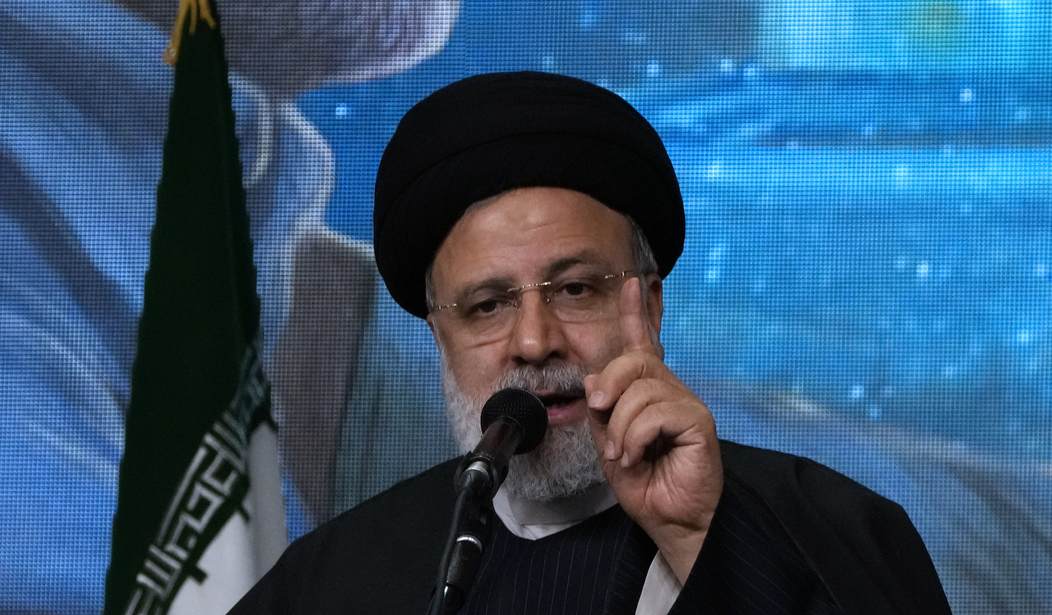
There's a one-two punch facing Tehran that grows harder to escape. During the day, heavy pollution blankets the sky, and a deep-water crisis threatens the ground beneath it.
Schools closing, hospital warnings about serious health risks, and news risks describing air so thick that many people stay inside all day. Officials admit they can't protect the population from a serious threat of smog that makes breathing a health hazard.
Meanwhile, the capital is running out of water. Iran's president has said the government may need to relocate the national capital because water levels are falling rapidly. It's a stunning admission that came earlier in a year in which he also warned that Tehran's supply is at historic lows. Tehran now stands in a fragile place: One crisis piles on another, and daily life grows more dangerous.
A Government That Chose Growth Over Survival
Many people inside Iran blame the drought, while others blame climate change. Those problems play a part, yet the deeper issue lies in decades of mismanagement. Leaders poured resources into projects that brought rapid growth, building dams, expanding cities, and chasing industrial output. They didn't create strong water systems, cleaner energy plans, or balanced city designs. There was no enforcement of strict air quality rules, yet they approved farmland that drained aquifers and backed industry that pumped toxins into the sky.
The problems worsened as the populations increased. Tehran grew faster than the networks supporting it. More cars, factories, and households, all without a matching investment in clean infrastructure. That imbalance created a fragile system in which, once drought arrived, the whole thing cracked.
India and China Show a Different Kind of Effort
Nearly every winter, India struggles with smog to the point that New Delhi often records some of the worst air on the planet. Yet India still tries to address the problem; officials restrict traffic, shut down factories, and attempt to improve fuel standards.
Delhi's air quality is still poor, but the government at least acknowledges the issue and is trying a range of solutions. Some are successful, some aren't, but the effort continues.
China lived through decades of brutal pollution in Beijing and other major cities. Over time, the country invested in scrubbers, introduced rules on factory emissions, and made significant shifts in energy use. Smog days still happen, but not nearly as often.
Chinese leaders chose a mix of strict rules, cleaner fuel, transit expansion, and more vigorous enforcement.
It costs money, creating tension, but the air is improving.
Both nations have problems, yet both have taken pollution seriously, recognizing that if people can't breathe or drink, nothing else matters.
Iran handles things differently. Leaders focus on power, projects, and political position, delaying fixes because honest reforms demand tough choices.
Instead of cleaning water systems or setting strict rules for air quality, they push the same industrial plans and the same agricultural subsidies that drained the land for years.
When Spending Choices Become the Real Crisis
Governments everywhere deal with droughts, storms, and pollution, with the difference lying in how they respond. Strong nations invest in long-term solutions, building water systems, protecting forests, regulating factories, and investing in transit, all the while treating clean water and clean air as essentials, not extras.
Quite often, Iran moves in the opposite direction, choosing large showpiece projects that offer political credit. It builds dams without upgrading pipelines. It expands cities without expanding wastewater treatment plants. It subsidizes irrigation for water-intensive crops in dry regions. It approves factories that burn cheap fuel. And it treats short-term gains as victories while ignoring long-term costs.
As that pattern persists over the decades, the land gives out, and Tehran lives with the result.
Related: He Says No Threat Exists, Then Tries to Block the Sun
Why Should We Care?
While researching for this column, I needed to answer a simple question: Why the hell should I care what happens in Tehran?
Simply put, Tehran's collapse matters because failing states create problems that spread far beyond their borders. A government that can't breathe or drink grows unstable, and unstable regimes often act recklessly towards neighbors, shipping lanes, and U.S. allies.
Iran also leans harder on terror groups and foreign partners like China and Russia when it feels pressure at home, which shifts power in a region vital to global trade.
Environmental disasters don't stay local, and economic shocks from turmoil in the Gulf travel straight into American markets. Tehran's crisis shows what happens when leaders ignore the basics, and the lesson reaches every country that depends on steady resources and stable governments, including our own.
Final Thoughts
Tehran's crisis shows what happens when leaders ignore the basics: Water supplies break down, air becomes dangerous, and people suffer while officials talk about distant plans.
Nations like India and China also face big environmental problems, but they at least keep trying to impose reform.
While the foundations of its daily life fail, Iran spends money on growth, an imbalance that now threatens its capital's future. A nation that can't keep its people oxygenated or hydrated needs to face its own choices before anything improves.
You can unlock more columns, deeper analysis, and personal connections by joining the PJ Media VIP community. Members help support strong reporting, and they receive bonus content across the site. Sign up today with promo code FIGHT for 60% savings on your membership.
![[UPDATE] Audio Appears to Confirm Talarico’s Stay at Mental Health Facility; Campaign Denies It](https://media.townhall.com/cdn/hodl/2026/257/05654322-cebe-4479-a0f1-67bd873ecc9f-536x311.jpg)

Join the Conversation
VIP members get the ability to comment on articles.