


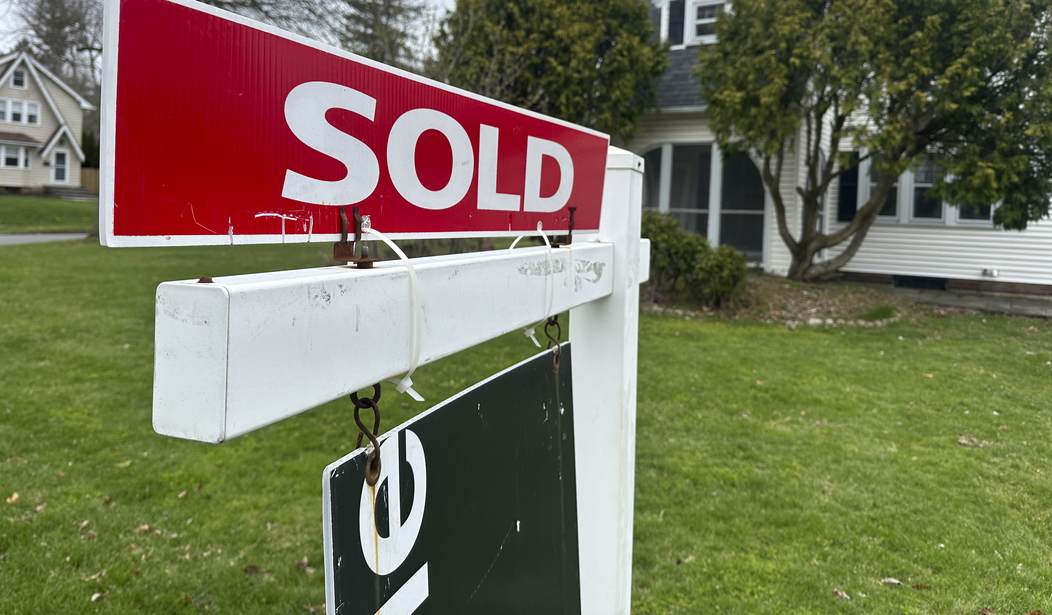
Most variations of the “American dream” include homeownership in some form. Yet we hear complaints from young adults every day that the housing market is growing ever more unaffordable.
It’s not just Gen Z noticing, either. Polling shows that 90% of American adults have noticed that housing costs are rising faster than wages. Eighty-nine percent believe that paying one’s rent on time should help renters build their credit for ownership.
But what might be the most important finding: 69% support housing policy that increases supply while untangling some regulatory issues. A noteworthy majority support increasing access to homes and more competition among builders.
The stats bear out how hard it is to own a home these days. A 2025 study from Harvard University’s Joint Center for Housing Studies demonstrates the trend:
The all-time-high home price-to-income ratios seen last year were mainly driven by rapid home price growth during the pandemic. Nationally, median single-family home prices rose by nearly one-half (48 percent) between 2019 and 2024, at more than twice the rate of median income, which rose by 22 percent. Similarly, in large markets across the country home prices grew by anywhere from 24 to 79 percent since 2019, while incomes only increased by 8 to 36 percent.
Another Harvard study from 2026 documents how much housing costs have climbed since 2020. Since the COVID-19 pandemic, existing home prices have skyrocketed by 54%, while estimated monthly payments on a median-priced home climbed from $1,700 to $3,100 — roughly 82%, including taxes and insurance.
Related: The Cost of an Ordinary Life: Protect the Safety Net and the People Who Need It
The issue at play comes down to simple economics. There’s not enough supply to meet the demand.
“Estimates from housing researchers place the nation’s housing shortage somewhere between 4 million and 7 million homes,” my Townhall colleague Jared Whitley wrote in June. “That supply gap has accumulated due to years of underbuilding, restrictive zoning, lengthy permitting processes, and local opposition to new development. When demand consistently exceeds supply, prices rise.”
In markets where we’ve seen an increase in supply, we’ve seen rents go down. Again, it’s basic economics — the kind we should have learned in ninth grade. (My high school economics teacher was a communist, and we even learned it from her. Okay, maybe she wasn’t a literal communist, but she hated Ronald Reagan, which tells you all you need to know.)
We actually saw a bipartisan law pass this year that sought to loosen regulations and increase the housing supply in the U.S. President Donald Trump refused to sign it into law because of his frustration with the Senate for its inability to pass the SAVE America Act; however, he also refused to veto it, so it quietly became law.
The Department of Housing and Urban Development is working to ease regulatory burden and streamline permitting processes that could make construction happen more quickly. Naturally, deporting illegal aliens will free up housing as well.
A January survey from the America First Policy Institute reveals what drives frustration with the lack of availability of affordable housing. Over half of those surveyed have delayed a major life decision due to housing costs. Putting housing out of the reach of millions is delaying taking new jobs, having children, and retiring.
“This survey paints a simple picture: housing costs are delaying big life choices, voters think government red tape is a big part of the problem, and there’s broad support for policies that cut fees, speed up building, and expand the workforce, especially when incentives reward places that actually reform,” the survey summary states.
Finally, building more houses creates more work for construction workers as well as skilled electricians, carpenters, plumbers, and HVAC technicians. And there’s nothing wrong with putting more Americans to work.
The starting point is straightforward: create more supply and remove unnecessary barriers to construction. It’s a supply-side, small-government policy that we conservatives tend to love. So let’s elect the candidates who can make it happen this November.
Editor’s Note: Thanks to President Trump’s leadership and bold policies, America’s economy is back on track.
Help us continue to report on the president’s successes and combat the Democrats' lies about America's economic revival. Join PJ Media VIP and use promo code FIGHT to receive 60% off your membership.

Join the Conversation
VIP members get the ability to comment on articles.