


It has been satisfying to see Anthony Fauci dragged before Congress to be held accountable for his COVID crimes. Thanks to the lockdowns, billionaires stole trillions from the rest of us, a generation of children were permanently scarred, and youth suicide rates skyrocketed. My grandmother died alone in a nursing home during the lockdowns, and I had to say goodbye to her through a window!
While we don’t want to say that Fauci’s pleading the Fifth is a confession, it sort of is. This is a highly placed government official made to give an account for his actions.
As we see from the release of the “Fauci Diaries” in healthcare and pharma policy, government officials can be stating things as settled fact or “the science” publicly and expressing different views or concerns privately. In the Fauci circumstances, a new type of drug was forced on the entire country without rigorous scientific evidence, debate, or due care. Something similar is happening now.
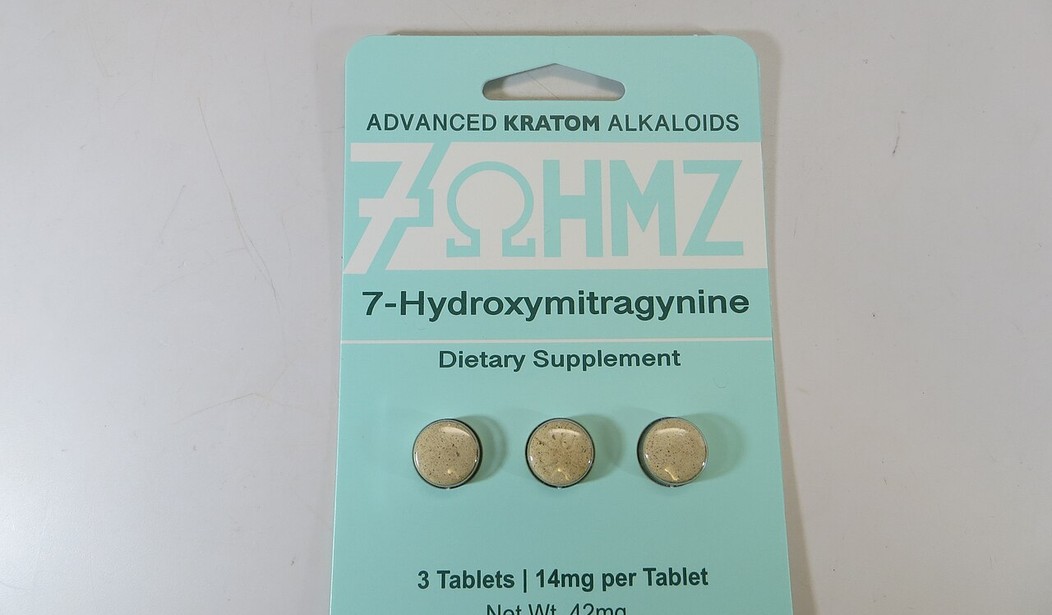
This mostly hands-off approach has been the guiding principle for most of American history. And now we have the opportunity for the government to avoid the same mistake on another health issue. While it certainly isn’t on the same scale as the COVID lockdowns, the federal government wants to place derivatives of kratom as a Schedule I substance. That means they want to classify an essential herbal supplement as dangerous as heroin and LSD!
Kratom is a plant native to Southeast Asia that’s been used for centuries in tea as a natural remedy for pain, fatigue, depression, anxiety, and similar problems. One application that’s been found here in the States is helping people withdraw from opioids, thanks to an active ingredient in kratom called 7-hydroxymitragynine (or 7-OH). Unlike more common opioids like morphine or oxycodone, 7-OH does not hurt a patient’s ability to breathe – what’s called respiratory depression, one the main causes of death in overdoses from opioids.
There have been plenty of alarmist reports out there that 7-OH can be addictive and harmful when taken in mass quantities, but – spoiler alert – everything can be addictive and harmful when taken in mass quantities. Indeed, the Mayo Clinic has reported that the problems associated with kratom overwhelmingly only occur at high doses. Given America’s current health woes, the most addictive, harmful substance is high-fructose corn syrup, and the government actually pays to put it in everything!
This is not the first time the federal government has put 7-OH in its crosshairs. In 2016, the Drug Enforcement Agency made the same rumblings but was forced to withdraw the intent two months later following public backlash.
But those who want to ban 7-OH aren’t giving up so easily, insisting on a similar ban now, despite warnings from those places where bans have already foolishly been forced on people. Classifying 7-OH as a Schedule I substance is the direction we’re headed despite a lack of concrete evidence. More research, of course, can help refine policy, but the current research does not support the claim that 7-OH is a public health threat – certainly not on the scale of heroin!
Regulators have a duty to ground decisions about 7-OH in science. In other areas of drug policy, thoughtful regulation, like clear dosing standards, packaging requirements, and robust research, has proven to be more effective than blanket bans.
Despite this, there has been consistent fearmongering on the subject. Former FDA Commissioner Marty Makary pronounced that, “7-OH is an opioid that can be more potent than morphine” – despite the fact that there have still been no confirmed fatalities linked to 7-OH in isolation. Any claimed 7-OH-related fatalities have involved other illicit drugs – sort of like all the people who died with COVID but not from COVID.
The Trump administration has a chance to help people on this issue. People need harm-reduction alternatives, and a natural herbal remedy used by Southeast Asians for centuries seems like a good one. Across-the-board bans are not the answer; appropriate guardrails are. The better plan includes potency caps, clear dosage labeling, child-resistant packaging, age verification, and third-party testing. None of that requires yanking out of people’s hands the cure to the plague of opioids.
A ban on 7-OH will end up hurting people. Reasonable rules on this potentially incredibly useful compound are needed. Rules should focus on fostering more study and more understanding of its risks and benefits. Jumping the gun and creating an effective ban is bad policy that will obscure the facts and make it nearly impossible to do the necessary research. No one is claiming that 7-OH should be unregulated, but government officials should avoid inflammatory, fear-based statements to push a narrative. We heard that several years ago when they said if you get the vaccine, you can’t get or pass on COVID. We now know some officials knew differently. We’ve been down that road before; we should learn from past mistakes.
Editor's Note: Do you enjoy PJ Media's conservative reporting that takes on the radical left and woke media? Support our work so that we can continue to bring you the truth.
Join PJ Media VIP and use promo code FIGHT to receive 60% off your membership.






Join the conversation as a VIP Member