





Government rightly attempts to stand as a referee between consumers and big business. But too often, it becomes the weapon big business uses against everyone else.
In 2007, toy giant Mattel was caught selling products with dangerous levels of lead. Instead of accepting the full consequences of its own failure, Mattel’s lobbyists pushed Congress to impose expensive lead-testing requirements on the entire toy industry.
This sounds gallant. Who could oppose wanting to protect the children?
But the effect was obvious. While Mattel could absorb the cost, smaller manufacturers could not. What was sold as child safety also became a convenient way to bury competition and increase Mattel’s market share.
A similar trick is now being attempted in the kratom debate.
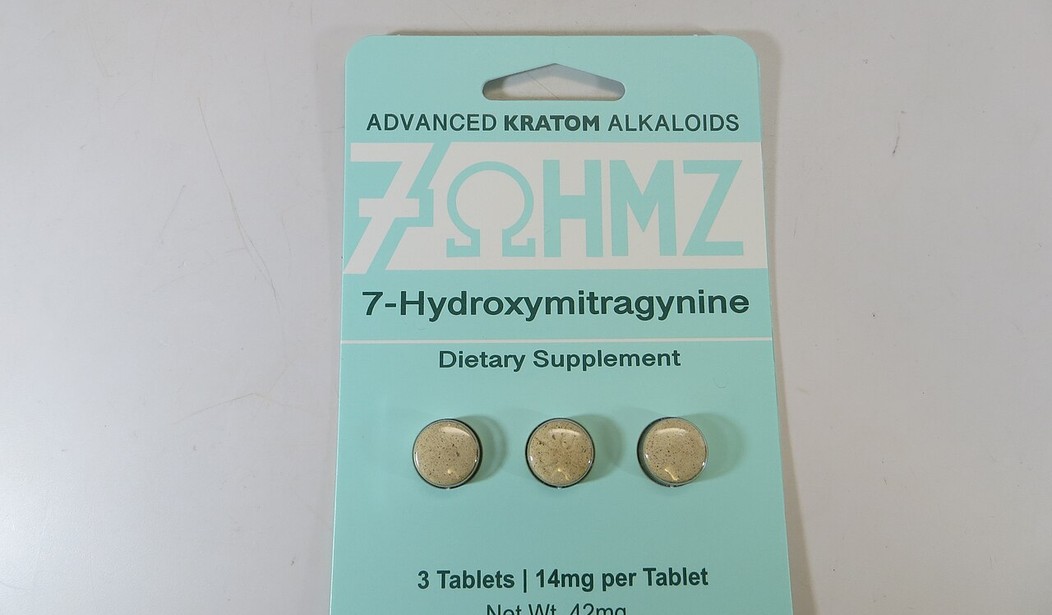
Not all kratom products are alike, yet too many state and federal regulators are mistakenly treating them as if every product is one and the same. Instead of separating natural kratom leaf and natural 7-OH products from perilous synthetic, concentrated derivatives such as MGM-15 and MGM-16, regulators are being urged by the bad actors themselves to punish the entire category.
Thankfully, President Donald Trump appears to understand the difference. On May 11, he said his administration was “looking very seriously at Natural 7-OH, and getting that approved.” The full name of the compound Trump referenced is 7-hydroxymitragynine, a natural component of kratom leaves.
Kratom is a plant native to Southeast Asia belonging to the same botanical family as the coffee tree. Indigenous communities have consumed both coffee and kratom for centuries to regulate energy, reduce pain, and manage anxiety. Importantly, Kratom’s leaf is known as a safe substitute for individuals attempting to ameliorate opioid withdrawal. By the early 2000s, many in the U.S. began consuming the leaves for their 7-OH to combat their addiction to illicit opioids.
But as regulators moved toward restricting lawful access to 7-OH, a different market began to emerge. Business competitors and overseas suppliers began promoting synthetic kratom analogs made or modified in labs, including MGM-15 and MGM-16. These products are not the same as natural kratom leaf or naturally occurring 7-OH. They are chemically altered compounds that may be sold in candy-like products, drinks, tablets, and other forms that blur the line for consumers.
That is where the real concern belongs.
Last July, the U.S. Food and Drug Administration announced that it was recommending scheduling action for certain 7-OH products under the Controlled Substances Act. But if regulators fail to draw careful distinctions, that process could become a backdoor ban on responsible businesses and consumers who are not selling synthetic products at all.
This push for blanket prohibition is anchored in fear over overdose deaths. That is the emotional center of the whole debate. But it leaves out the important point that deaths from 7-OH by itself don’t exist.
And when deaths do show up in reports, the story is usually messier than the headline. Toxicology consistently shows other drugs in the person’s system too, sometimes fentanyl, heroin, benzodiazepines, alcohol, or some other psychoactive substance.
That matters a lot because that is not the same thing as saying 7-OH alone caused the death. In many of these cases, what we are really talking about is polysubstance use. And once you are in that territory, pretending there is one clean villain is more politics than science.
This is where bad policy gets made.
To be clear, truly synthetic kratom analogs such as MGM-15 and MGM-16 raise legitimate safety and enforcement concerns. Products that are mislabeled, adulterated, or chemically altered should be treated differently from natural 7-OH. The people selling those products should not be allowed to hide behind consumer confusion.
Like the toy maker Mattel, these synthetic kratom manufacturers have hired powerful lobbyists and spokesmen to convince the government to ban all products, including natural leaf kratom. Dr. Rahul Gupta – Biden’s drug czar – is the new American Kratom Association (AKA) spokesman for banning 7-OH. We shouldn’t let a Biden acolyte dictate policies to the White House that harm America on behalf of companies that want to ban their competition.
They know that a blanket prohibition will not stop the black market. Millions of Americans who have used natural 7-OH to combat opioid dependence will have little choice but either to return to illicit opioid addiction or access dangerous synthetic analogs like MGM-15 and MGM-16. Drug cartels will have another item to traffic to customers.
That shift is not harmless; it will get people killed.
In illegal markets, people often do not know what they are buying, how strong it is, or what else has been mixed into it. And some users will not simply stop. They may go back to opioids, including pills or powders laced with fentanyl, which is already driving the overdose crisis.
So no, prohibition is not some neutral policy choice. It pushes people into different behavior, and often into more dangerous behavior.
Luckily, it appears President Trump understands the policy malpractice that the government was about to commit. The better approach is to clearly distinguish between natural kratom leaf, naturally occurring plant-based 7-OH, and synthetic kratom analogs such as MGM-15 and MGM-16.
The aim should be harm reduction, not moral theater. Veterans looking for PTSD relief, Americans trying to escape illicit opioids, and ordinary consumers seeking a safer alternative should not be driven into the black market because regulators refuse to make basic distinctions.
Washington does not need another failed prohibition campaign. It needs rules that recognize reality and correctly separate the useful from the dangerous. This will require regulators to punish the bad actors and institute honest labeling requirements to ensure adults have lawful access to products that may help them avoid far worse substances.
Editor's Note: Do you enjoy PJ Media's conservative reporting that takes on the radical left and woke media? Support our work so that we can continue to bring you the truth.
Join PJ Media VIP and use promo code FIGHT to receive 60% off your membership.
Join the Conversation
VIP members get the ability to comment on articles.