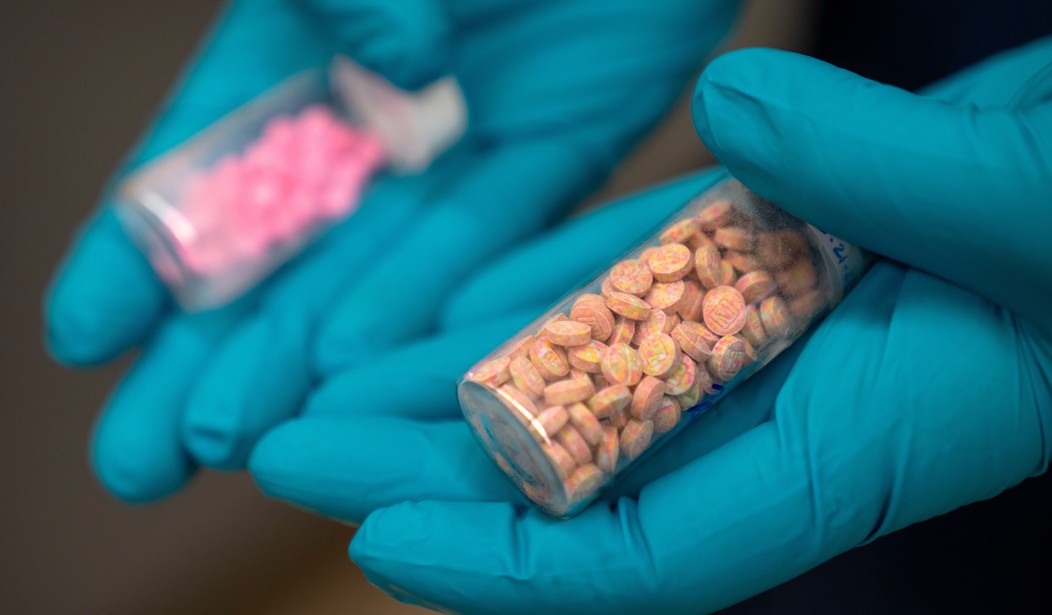

Tens of millions of Americans — disproportionately white liberal women, by the way, but that’s a story with massive sociological explanatory power for another day — are prescribed each year some form of selective serotonin reuptake inhibitor (SSRI), which, as the name suggests, increases the concentration of the neurotransmitter serotonin in the brain by blocking its reabsorption and breakdown.
I have covered here at PJ Media the many serious problems with the mass prescription of SSRIs, including that the mechanism of action for reducing depression has been debunked as pseudoscience, as well as the numerous detrimental side effects that include suicidal ideation.
Related: Canadian Government Pushes Psychiatric Medication for 'Vaccine-Hesitant'
Yet another devastating side effect of SSRI use has made its way into the public consciousness recently: post-SSRI sexual dysfunction (PSSD).
Via Epidemiology and Psychiatric Sciences (emphasis added):
Post-SSRI sexual dysfunction (PSSD) is an iatrogenic condition involving the persistence of sexual side effects after discontinuation of serotonin reuptake inhibiting antidepressants (Reisman, 2020). This group predominantly includes the selective serotonin reuptake inhibitors (SSRIs), serotonin-norepinephrine reuptake inhibitors (SNRIs), and some tricyclic antidepressants such as amitriptyline, clomipramine and imipramine. Symptoms can include genital numbness, pleasureless or weak orgasm, erectile dysfunction and loss of libido…
Pharmaceutical company studies do not often include follow-up to check for enduring side effects*…
Antidepressants are often prescribed without any discussion of implications for sexual function. A study of 239 previous antidepressant users found that only 12% reported being counselled regarding potential sexual side effects while taking an antidepressant (Studt et al., 2021).
*Who would have guessed that pharmaceutical corporations with a vested interest in not uncovering horrific side effects from their studies wouldn’t thoroughly and diligently investigate all angles? Color me shocked! I swear we've seen that movie before, no?
Related: Report: The Science™ Hid Data That Fluoride Lowers IQ
She tapered off Zoloft exactly the way her doctor told her to. Then she woke up unable to feel anything. Not a hug from her mom, not music, not a warm shower. Complete genital numbness. Two years later, still nothing. Lauren Friedman started SSRIs at 18, after finding out half her college lacrosse team was on them. For three years she was the girl in the comments defending them, saying they saved her life. She still splits her life into BZ and AZ: before Zoloft and after Zoloft. It’s called PSSD, post-SSRI sexual dysfunction. Europe’s drug regulator had persistent sexual dysfunction added to SSRI labels back in 2019, yet most people starting these meds have never heard the term. Two things in this clip stand out. She describes psychiatrists asking patients “so which one do you want to take?” That’s a strange way to prescribe a drug that acts on your brain. And her worst damage showed up after she stopped, not while she was on it. Almost nobody is told that part. This isn’t a reason for anyone to panic or quit. Stopping too fast is exactly what she’s warning about. But anyone starting an SSRI deserves to hear about this risk before the first pill, not two years after the last one.
— Camus (@newstart_2024) October 31, 2026
Upwards of 50% of everyone taking SSRI antidepressants, at least according to some studies, may be afflicted by PSSD — and in many, if not most, instances, it might be permanent.
Continuing:
A large placebo-controlled study into the use of sertraline as a treatment for premature ejaculation found that the ejaculation-delaying effect of the drug persisted for 34% of participants 6 months after it was discontinued (Arafa and Shamloul, 2006). A healthy volunteer study that assessed the effects of paroxetine on sperm and sexual function reported that brief sexual function inventory (BSFI) scores for erectile and ejaculatory functions had not returned to baseline four weeks after drug discontinuation, with 9% of patients complaining of more than mild dysfunction (Tanrikut et al., 2010). The BSFI questionnaire does not include questions about genital sensation or orgasm intensity.
In some unpublished phase 1 trials, over 50% of healthy volunteers had severe sexual dysfunction that in some cases persisted after treatment stopped (SmithKline Beecham, 2013).
Related: MASSIVE Academic, Scientific Fraud Exposed
If you or a loved one are suffering the fallout of PSSD, take heart! The Science™ is hard at work exploring potential treatments, which conveniently (for them) consist entirely of more pharmaceutical drugs such as tadalafil (erection pills) for men and bupropion (yet another antidepressant drug, this one a norepinephrine–dopamine reuptake inhibitor, commonly sold under the brand name Wellbutrin).