







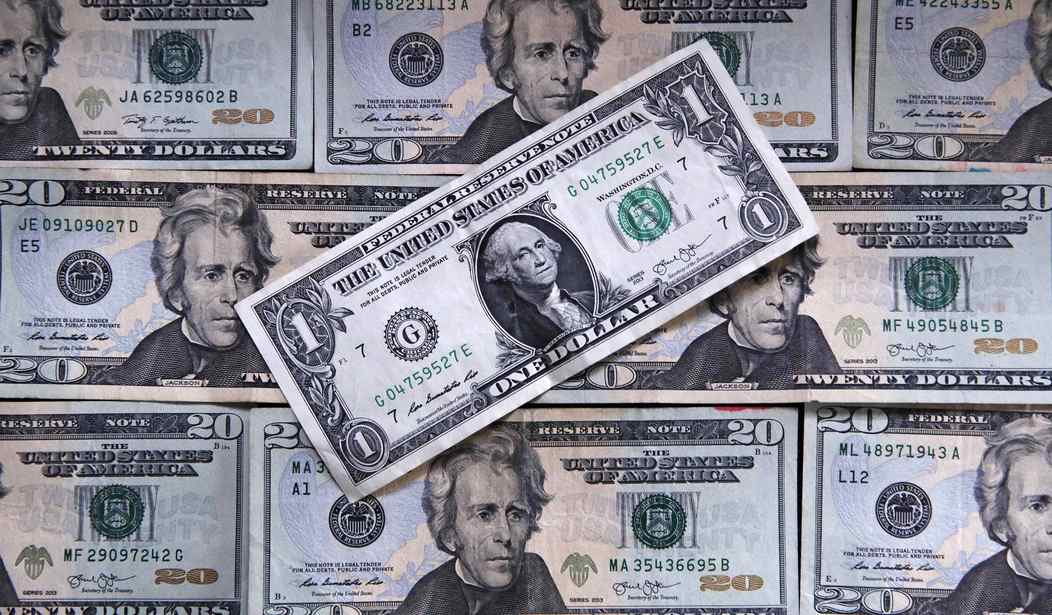
Our children are growing up ignorant about financial matters. Seventy-four percent of teens feel they lack financial education. Thirty-two percent of teens cannot differentiate between a debit and a credit card. Roughly 46% of teens do not know what a 401(k) is.
The consequences of financial illiteracy can be serious.
- An Inability to manage money leads to poor credit and massive debt.
- Many young people and adults have no emergency savings.
- Over one-third of Americans have delayed major life decisions due to money issues.
Ideally, parents or schools should fill this gap in children's education by offering basic financial education. However, far too many school districts fail to prioritize teaching kids basic financial concepts. And parents are either financially illiterate themselves or just too busy. Schools often lack comprehensive financial education because of a crowded curriculum that prioritizes standardized testing, a shortage of trained teachers, and the perception that it is a personal or parental responsibility.
Budget constraints, lack of mandatory state requirements, and debates over whether these courses actually change long-term behavior also hinder their adoption.
In truth, it's not much better in other countries. But a modern industrialized society needs a financially literate population so that citizens can make the best possible, informed decisions about their money. This includes saving, investing, and household budgeting.
Something needs to be done. The U.S. ranks 97th globally, with savings at roughly 18.35% of its GDP. As of late 2025, the U.S. personal savings rate was approximately 3.5%. In contrast, countries like South Korea (34.4%), Switzerland (18.1%), and France (18.37%) have much higher personal savings.
Teaching not just financial instruments, but the value of money is key to raising that savings rate, which serves as a hedge against bad economic times.
Donald Trump has hit upon a good idea that will make it extremely easy for children to learn about money while saving a pretty penny for when they become adults.
"Trump Accounts" is a new federal initiative aimed at improving the financial future of American children through tax-advantaged investment accounts.
For children born between 2025 and 2028, the U.S. Treasury will provide a $1,000 initial contribution. The funds are intended to be invested in index funds to promote long-term growth.
Aside from the government's initial seed, the accounts have a yearly contribution limit of $5,000. While the $1,000 government seed is for newborns in the 2025-2028 window, children born before 2025 are still eligible to open a tax-advantaged account, though without the initial Treasury payment.
The White House has launched a "50 State Challenge" to encourage billionaires and corporations to bolster these accounts. The challenge has gotten off to a great start.
The founder of Bridgewater Associates, Ray Dalio, pledged $75 million to provide $250 each to roughly 300,000 children in Connecticut (specifically those in lower-to-middle-income zip codes).
Michael and Susan Dell have pledged $6.25 billion to fund accounts for 25 million children in areas where the median income is below $150,000.
"These Trump Accounts are great not just because they put money into stocks for these young people but also because they draw their attention toward how finance, stocks, companies and capitalism work to improve society and can work for them," Dalio said in a post on X.
Children cannot spend the money while they are minors. Trump accounts are designed as long-term, tax-advantaged investment vehicles where funds are restricted until the beneficiary reaches 18 years old.
Once the beneficiary turns 18, they can access the money for specific purposes without certain penalties, including:
- Higher education expenses.
- First-time home purchase.
- Small business startup costs or entrepreneurship.
Conversion at 18: When the child reaches 18, the account typically converts into a traditional IRA, and the standard withdrawal rules for that type of account begin to apply.
The Trump Accounts will cost taxpayers about $15 billion through 2034. To my mind, this is money well spent. Perhaps the program will spur parents to sit down with their children and have a serious discussion about money.
The new year promises to be one of the most pivotal in recent history. Midterm elections will determine if we continue to move forward or slide back into lawfare, impeachments, and the toleration of fraud.
PJ Media will give you all the information you need to understand the decisions that will be made this year. Insightful commentary and straight-on, no-BS news reporting have been our hallmarks since 2005.
Get 60% off your new VIP membership by using the code FIGHT. You won't regret it.

Join the Conversation
VIP members get the ability to comment on articles.