





Whispering before it starts screaming, as far as history is concerned.
Most people don't notice it at first. The warning signs appear somewhere else. A town you've never visited. A ranch a thousand miles away. A community meeting that doesn't make national news. By the time everyone else catches on, the decisions have already been made, the contracts have already been signed, and the damage, whatever it may ultimately prove to be—is much harder to undo.
Florida is standing at one of those moments.
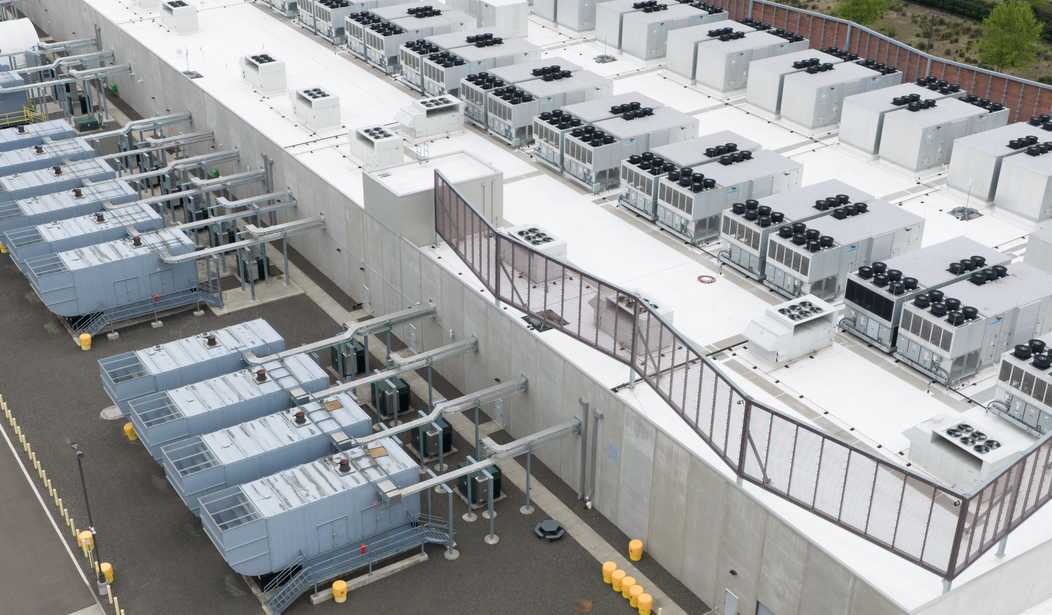
Across America, the race to build massive AI data centers has become the new gold rush. Politicians promise jobs. Developers promise investment. Technology companies promise the future.
But in state after state, another story is beginning to emerge.
In Georgia, residents have publicly complained about water pressure problems as enormous new data center projects place increasing demands on local infrastructure. Communities are asking whether their water systems were ever designed for this level of industrial consumption and whether the public was fully informed before approvals were granted. Those questions deserve answers.
In Texas, something even more remarkable has happened.
Texas Agriculture Commissioner Sid Miller has publicly called for a temporary moratorium on new hyperscale data center development until the state can fully evaluate the long-term impacts on its electric grid, water supplies, agricultural land, and rural communities. He has argued that innovation should not come at the expense of the people who produce America's food and steward its natural resources.
Think about that for a moment. This isn't an environmental activist or a neighborhood association or even a political action committee. This is the elected Agriculture Commissioner of Texas.
When someone charged with protecting one of America's largest agricultural economies says, "Let's slow down and study this before we build more," Florida should be paying attention.
Not because every allegation has been proven. But because responsible government asks questions before, not after, irreversible decisions are made.
Meanwhile, reports continue circulating from ranchers and rural communities raising concerns about everything from water availability to unexplained livestock issues. Some of those claims remain unverified. Others are currently impossible to evaluate because the public has not seen the investigative records, veterinary findings, or environmental data needed to reach reliable conclusions.
That is precisely why independent investigation matters.
If the claims are unsupported, the public deserves to know that. If there are legitimate concerns, the public deserves to know that too. Silence serves no one.
Florida now finds itself standing where Texas stood not long ago. Developers are looking south. The Sunshine State offers abundant land, growing energy infrastructure, favorable tax policies, and political leadership eager to position Florida as a leader in artificial intelligence.
But before we rush to become the next hub for hyperscale data centers, Floridians should insist on answers.
How much water will these facilities consume? Where will that water come from during drought years? Who pays for the electrical infrastructure required to serve them? Will residential utility customers ultimately bear those costs? What happens to nearby communities if promised safeguards fail? Who monitors environmental impacts once construction is complete? What state agency investigates complaints if something goes wrong? Will those investigations be made public?
These are not anti-technology questions. They are pro-accountability questions.
Floridians have lived through enough promises to know that economic development always sounds wonderful in the beginning. We were promised growth before insurance premiums exploded. We were promised responsible development before traffic overwhelmed entire communities. We were promised careful planning before infrastructure struggled to keep pace with population growth.
We've heard promises before. This time, we should ask questions first.
Artificial intelligence is coming whether we like it or not. The issue is not whether America should compete. Of course we should.
The issue is whether Florida intends to learn from the experiences of other states, or ignore them until we're writing our own cautionary tale.
This investigation is only beginning.
We're speaking with ranchers. We're looking for veterinarians who have performed necropsies. We're requesting public records. We're asking state agencies what they know and when they knew it. We'll follow the evidence wherever it leads.
Because that's how journalism is supposed to work.
Maybe the concerns prove overstated. Maybe they don't. But Florida should never become another state asking questions only after the permits have been issued, the concrete has been poured, and the consequences, whatever they may be, have already arrived.
History whispers first.
Florida still has time to listen.
Editor's Note: Do you enjoy PJ Media's conservative reporting that takes on the radical left and woke media? Support our work so that we can continue to bring you the truth.
Join PJ Media VIP and use promo code FIGHT to receive 60% off your membership.



Join the Conversation
VIP members get the ability to comment on articles.