


The assault on all things divine continues, this time in Arizona. Yes, hard cases make bad law.
Arizona Bill HB 2039 would amend the state code to make it a class‑6 felony — punishable by up to $150,000 in fines and two years in prison — for priests who, with reasonable suspicion that abuse disclosed in confession is ongoing, will continue, or threatens other minors, fail to report the offense.
First, there is the legislation's faulty logic. By definition, you cannot confess sins you are going to commit. Bless me, Father, for I will sin. I plan to rob the pickle factory payroll next Tuesday. Secondly, if a priest is forced to report people based on the possibility they will sin again, you might simply replace the seal of confession with a weekly newsletter to the state police and the FBI. Thirdly, the three C’s of confession, based on section nineteen of the old Baltimore Catechism, are that it should be contrite/humble, clear/sincere, and complete/entire. There is no fourth C requiring a priest to have a crystal ball.
Nothing describes modern American life better than the inability of public figures to stay in their own lane. There are many “political” religious leaders who think their popularity invites them to run the state. And many politicians think they are anointed to run the church. It is nothing new.
Ever since Pontius Pilate in Jerusalem or the old fiddler Nero’s decision to put Peter and Paul to death in Rome, the state has been trying to run the church in one regime after another. The First Amendment was designed to prevent this.
In 1813, DeWitt Clinton, who would later go on to build the Erie Canal, rendered the opinion in the case of People v. Phillips. The state of New York tried to force the Rev. Anthony Kohlmann, S.J., to break the seal of confession. Clinton supported the legal protection of the seal, and it was formally codified into New York law on December 10, 1828.
A friend who knows a bit about theology summed things up nicely: For 800 years, the Church has asserted, and governments have largely respected, the independence of the spiritual tribunal of confession. In recent times, owing to child sex abuse cases, numerous states and countries have instituted mandatory reporting, even of confessional material.
This is short-sighted for two reasons.
1. No Catholic or Orthodox clergy will comply with such a law; divine law supersedes it. "We must obey God rather than man." (Acts 5:29). To reinforce and strengthen the effect of this divine principle, the Church adds an earthly norm and penalty, excommunicating any priest who violates the seal. Ironically, even this sin can be forgiven in confession-though it requires an appeal to the Pope.
2. The willingness to confess, like the willingness to go to a doctor, may be the beginning of health, in this case, spiritually. No one doubts the spiritual, moral, and psychological sickness at the root of child sex abuse. Mandating confessional revelations to the state forecloses a possible pathway to spiritual and psychological health.
Related: Washington State Makes Decision About Law Requiring Priests to Violate Seal of Confession
Love of God over Caesar. Beginning with St. John Nepomucene, that we know of, clergy have given their lives rather than break the seal. St. John would not reveal the Queen's confession to the King and lost his life for refusing. Other priests, under regimes such as Elizabeth I, Revolutionary Mexico, the Spanish Civil War, the Soviet Union, Nazi Germany, and likely China, have likewise perished protecting the seal. We should be grateful to all of them for defending OUR right to access the divine tribunal, which absolves sin and restores grace.
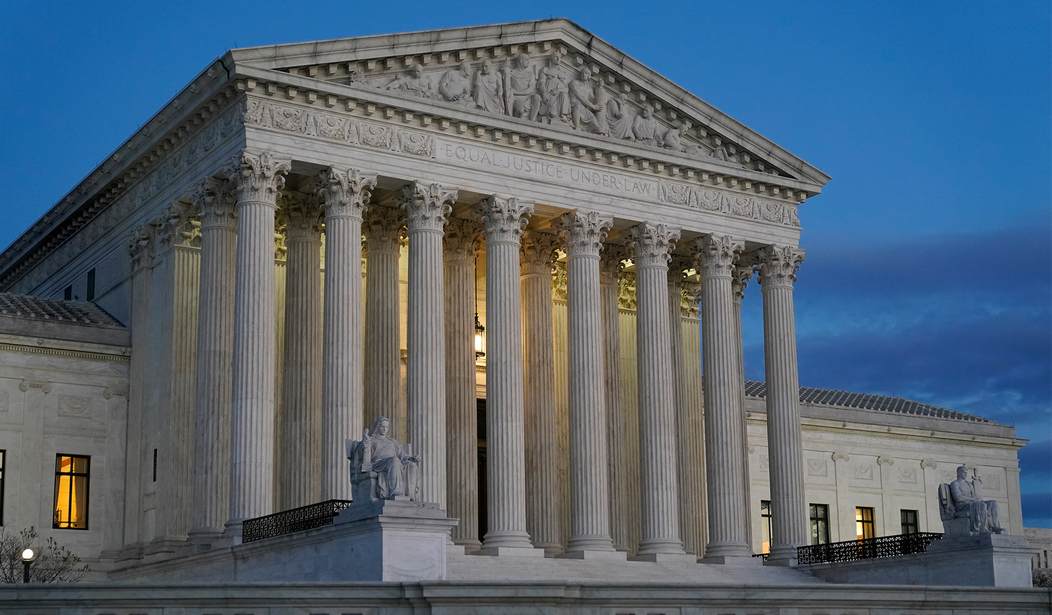
Ultimately, this kind of bill is political grandstanding and virtue signaling, as it has little chance of surviving federal judicial review at the Supreme Court, at least regarding the demand to break the seal of confession. In Washington State’s case, that element of mandatory reporting was prevented from going into effect by a lower federal court and has not yet been adjudicated by the Supreme Court.
Join PJ Media VIP today and get 60% off with promo code FIGHT. Join now to support this news site, go ad-free, and comment as you see fit.





Join the conversation as a VIP Member