


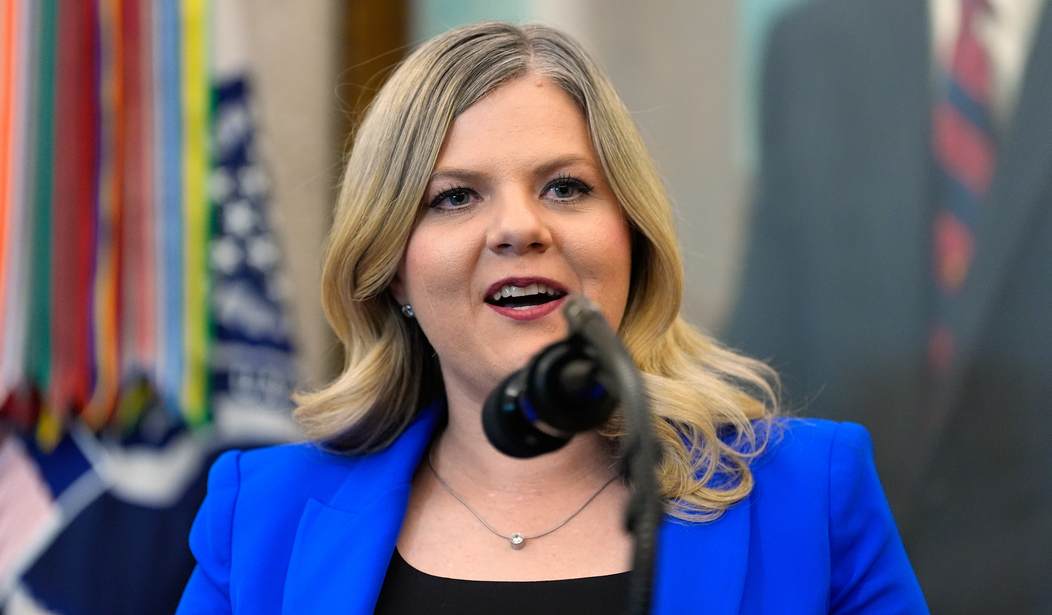
Heidi Overton’s name was on the Senate Health Committee’s agenda for Wednesday morning in Washington. By the time senators met, it had been struck through. President Donald Trump withdrew her nomination to lead the Food and Drug Administration on Tuesday, leaving Republicans with two different accounts of why the vote never happened.
A White House official pointed to insufficient support in Congress. Sen. Bill Cassidy (R-La.), the committee's physician chair, said he believed Overton could’ve cleared his panel and won confirmation on the Senate floor. Cassidy said pro-life Republicans had sought commitments from the White House on abortion-related issues, and the administration chose to withdraw Overton instead of making those commitments.
From Reuters:
Some Trump officials working on Overton's nomination began to doubt whether she had enough support among Senate Republicans after the party faced sweeping losses in this month's midterm elections, costing them control of the House of Representatives and the Senate next year.
Several members of the Senate Health, Education, Labor and Pensions Committee, including Cassidy, Susan Collins of Maine and Marshall, lost their reelection bids.
Cassidy, who had been undecided on Overton and had previously criticized her involvement in the Trump administration's efforts to roll back childhood vaccination, on Tuesday evening said she had won his confidence.
In a tweet, Cassidy said he had been having productive conversations with members of Congress and that he believed she had the support in the committee and the larger Senate needed for confirmation.
Cassidy himself had given the White House reason to count carefully. At Overton’s September hearing, he pressed her on whether she’d exercise independent judgment when she disagreed with Trump or Health and Human Services Secretary Robert Kennedy. He also objected to her support for splitting up combination vaccines.
Earlier Tuesday, he still publicly described himself as undecided. On a committee with 12 Republicans and 11 Democrats, one Republican defection could’ve stopped her if Democrats voted together.
A committee vote would’ve shown whether Cassidy and his Republican colleagues were ready to advance her nomination. It also would have made every senator on the panel own a decision. A canceled vote leaves room for the administration to say the votes weren’t there and for Cassidy to say they were. Both sides can give their account with the confidence that comes from knowing nobody can check it against a roll call.
The policy disputes will outlast Overton’s nomination. The FDA is reviewing the safety of mifepristone, and that review could affect how the abortion drug is prescribed. If senators want specific commitments from the White House, they should explain what they're asking for.
There’s a meaningful difference between asking a nominee to finish a review and asking her to commit to a particular decision before it’s complete. The public ought to know which kind of commitment was at issue.
From the Associated Press:
Currently, the FDA is conducting a safety review of the abortion pill mifepristone — at the request of Trump — that could reinstate restrictions on the drug’s use, including a requirement for in-person prescribing. FDA has promised a report on its safety findings by March.
To win confirmation, Overton would have needed the votes of all 12 Republicans on the Senate Health, Education, Labor and Pensions Committee. Democrats hold 11 seats. Without support of the committee, Overton faced little chance of winning a full Senate vote on the chamber floor.
Trump picked Overton, a physician and White House domestic policy adviser, after Marty Makary resigned. The president gets to choose someone to carry out his agenda, and senators have every right to ask how that person will do the job. If a Republican senator believes an FDA nominee would make a bad decision on vaccines, abortion drugs, or any other matter within the agency’s reach, say so in public and explain the objection. People can judge a senator’s reasoning when they hear it.
Republicans are trying to confirm Trump’s nominees before Democrats take control of the Senate in January. That gives the White House good reason to find out where senators stand before sending up another name.
It also gives Cassidy and his colleagues every reason to make their expectations clear at the next hearing. The next nominee should be able to tell the public what commitments she made and how she’ll handle pressure from the people who put her there.
Then the committee should vote.
If you value independent journalism that asks tough questions and follows the facts, help keep it going by joining PJ Media VIP. You’ll get exclusive columns and analysis, and you’ll support the writers who produce it. Use promo code FIGHT to get 60% off your membership.

Join the Conversation
VIP members get the ability to comment on articles.