Ukraine deploys real exoskeletons on the front line, and soldiers gain a real edge in the brutal fight against Russia. The 7th Air Assault Corps of the Armed Forces of Ukraine began combat testing around March 20 in the Pokrovsk sector.
Troops from the 147th Separate Artillery Brigade now use lightweight leg units that fit inside a briefcase.
After over four years of war, Ukraine’s military says it’s testing an exoskeleton in the field that can help soldiers more easily load artillery and run at speeds of up to 12 mph over sustained periods. The tests would mark one of the first known examples of exoskeletons used on the front lines of an active military operation.
A Facebook video shared late last week by Ukraine’s 7th Air Assault Corps shows a handful of soldiers putting on the device while inside of a muddy artillery trench. The device itself wraps around a soldier’s waist and legs and is supported by a back brace. The military claims that it can reduce overall load on leg muscles by 30 percent. In practice, that means the devices should make it easier for soldiers to pick up and load heavy artillery rounds. Each round can weigh upwards of 100 pounds, depending on the particular caliber used. Since a soldier on the battlefield may load several dozen of those runs every day, all of that weight adds up and can increase the odds of injury or fatigue.
These devices wrap around the legs and reduce physical strain by about 30% while allowing assisted movement speeds up to 12 mph in sustained periods.
Artillery crews load 155 mm shells onto howitzers such as the French CAESAR system with far less effort. Crews handle up to 100 pounds of ammunition each day, yet feel a dramatic drop in fatigue.
The war around Pokrovsk remains intense as Russian forces press Ukrainian positions. Soldiers face constant shelling and must move heavy supplies under threat. These exoskeletons arrived at a critical moment, providing a practical tool that helps troops stay effective longer.
The commanding officer of the 7th Air Assault Corps, Colonel Vitaly Serduk, reports that soldiers fatigue less, work faster, and maintain combat capability longer. The 7th Air Assault Corp views the rollout as a step toward a more technologically enhanced force.
Wearing the exoskeleton tech will dramatically reduce the physical work of hauling ammunition by roughly 30%, the military claimed.
“Every day, gunners endure a lot of physical work. They carry 15-30 shells of 50kg (110 lbs) each every day,” Colonel Vitaly Serduk, the chief of missile troops and artillery management, said.
Preliminary testing had already found troops using the technology were less tired, could load artillery more speedily and could “retain airability for a longer time.”
When troops strap these units on, the scene feels pulled straight from science fiction. Colonel Steve Austin from The Six Million Dollar Man gained bionic legs and ran much faster than any normal athlete. Tom Cruise and Emily Blunt wore powered combat suits in Edge of Tomorrow that turned soldiers into relentless fighters.
Ukraine's version doesn't reset time or turn soldiers into superheroes (not to mention moving in slow motion, beeping the whole time), but it changes how they move, carry, and fight. Heavy artillery loading shifts from exhausting labor to a task that crews can sustain far longer.
Other countries pursue similar technology. The United States Army works with systems such as the ONYX exoskeleton developed by Lockheed Martin to reduce soldier fatigue during load-bearing missions.
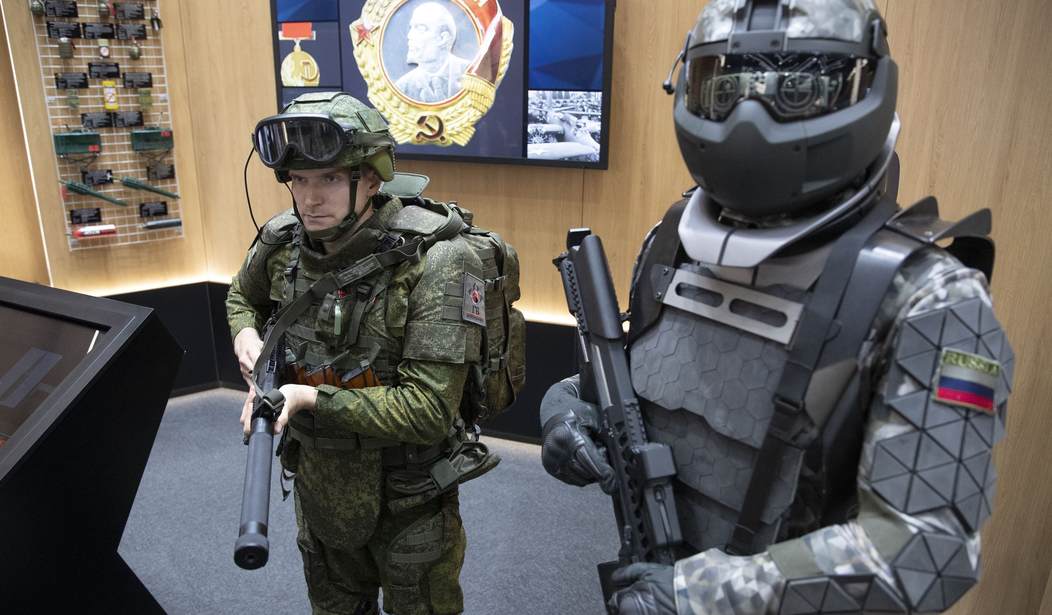
Russia has developed concepts such as Ratnik-3 and other powered systems aimed at boosting strength and protection. China continues testing logistics-focused exoskeletons, while France, South Korea, and Japan advance their designs.
Ukraine stands out because it's moved from testing grounds to real battlefield use, giving the world an early look at how these systems perform under fire.
One question naturally follows when technology like this enters combat: could an adversary interfere with it? The idea may sound like fiction, but connected systems always invite attention from those who want to disrupt them.
An example of such a system is your Bluetooth mouse. The connection is open for piracy.
Anybody familiar with the Expeditionary Force series knows Skippy the Beer Can hijacks advanced systems in seconds. Real-world engineers design safeguards to prevent that kind of interference, but the possibility of signal disruption or software targeting remains part of modern warfare planning.
The broader picture stays serious. These exoskeletons support troops who defend their country every day. They don't replace training, discipline, or resolve. They extend endurance and reduce strain in a fight that demands both. As testing continues, Ukrainian commanders will decide whether to expand deployment across more units.
The technology marks a shift already underway. Human limits don't disappear, but they stretch with mechanical support. Artillery crews in Pokrovsk now work faster and longer with less physical cost. What once belonged to television, film, and sci-fi novels now appears on real battlefields.
Ukraine has taken that first step in active combat. Other nations are closely watching, studying results, and accelerating their programs. The line between science fiction and modern warfare continues to narrow, and Ukraine's front line now sits at that edge.