
Submitted for your enjoyment, here's a light, breezy story about a bear, its poop, and the enjoyment of others.
Some ideas arrive in a boardroom; others arrive on a Montana hiking trail, steaming gently in the morning air.
Columbia Sportswear and Breakside Brewery decided to turn bear scat into beer.
Because, why not?
The result is called "Nature Calls," a light lager brewed with water infused with American black bear scat collected along Montana trails. Workers (I don't know if they're being paid enough) gathered the scat, steeped it in water, and sent the mixture through Oregon's Bull Run wastewater treatment system. Brewers then used the purified water to craft a crisp lager with Pacific Northwest malt. Rounding out the flavor are honey and huckleberries.
Columbia brand president Joe Boyle credits Breakside’s “excellent beer” and “willingness to experiment” with the successful collaboration between the two brands. Initially launched on Feb. 8 alongside a Super Bowl promotion, the beer release is part of Columbia’s “Engineered for Whatever” campaign, which aims to showcase the company’s sense of humor and ability to handle anything Mother Nature throws at it. As Boyle explains, that means that “if Mother Nature hurls bear poop at us, we’ll ferment it into a frosty pint.”
Breakside’s business model embraces a calendar full of limited-time releases, one-of-a-kind brews, and collaborative beers, in addition to perennial offerings like its Breakside Pilsner and Wanderlust IPA. “When Columbia came to us with the idea to use bear poop, we thought they were joking,” says Scott Lawrence, founder of Breakside Brewery. In spite of initial skepticism, brewmaster Ben Edmunds rose to the challenge, crafting what he describes as an “easy-drinking… low-calorie lager with flavors you might humorously associate with a bear’s diet: huckleberry and honey.”
Ben Edmunds, brewmaster at Breakside Brewery, oversaw the process and enforced sanitation standards—thank God!—and no physical droppings touched brewing equipment. Treated water met regulatory safety requirements before entering production. While defending the craft behind the beer, Edmunds leaned into the absurdity, as Columbia Brand President Joe Boyle framed the project as a celebration of outdoor life, even the messy parts hikers prefer to avoid.
The release tied into Super Bowl week in Santa Clara, where Columbia showcased the beer at promotional events. Limited quantities sold at Breakside locations in Oregon and at branded activations. Drinkers were surprised by how normal the lager tasted: crisp, clean, and refreshing.
Not exactly what comes to mind when somebody says "bear scat."
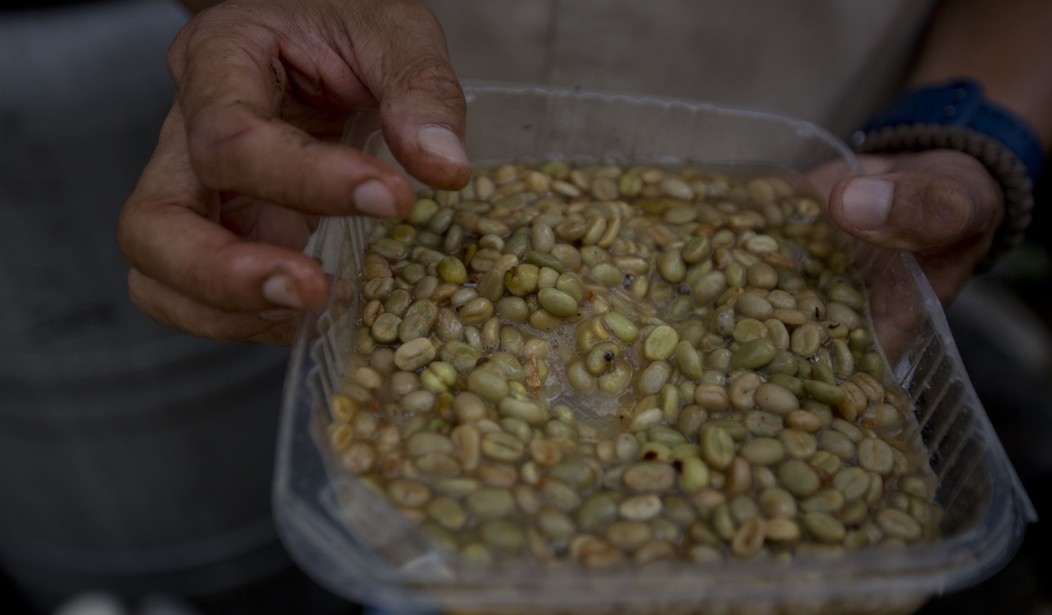
Animal digestion already ranks among the beverage hall of fame: Kopi Luwak coffee from Indonesia is one of the world's most expensive beans. Asian palm civets eat ripe coffee cherries, ahem, run them through the system; farmers collect the deposits left by the kitties, clean and roast them, and then sell them for up to $600 per pound.
Digestive enzymes break down the proteins in beans, helping soften bitterness. Ethical farms allow civets to freely roam, though animal welfare concerns shadow some operations.
Thailand offers Black Ivory Coffee, created by founder Blake Dinkin. Elephants eat Arabica cherries mixed with fruit. Mahouts collect the dung, rinse the beans, and roast small batches. Production remains limited, and prices reflect the rarity. Resorts serve it as a luxury tasting experience, marketed as both sustainable and exclusive.
Brazil contributes Jacu Bird Coffee. Jacu birds feast on ripe cherries at Camocim Estate, where owner Pedro Eliezer Rodrigues discovered that beans retrieved from the birds' droppings had a nutty flavor and low acidity. What began as crop damage evolved into a premium export.
Finland entered the chat with Ant Brew in Lahti. Founders experimented with goose droppings to smoke malt for a stout. Brewers sanitized the waste before using it in the smoking process. Festival crowds lined up, proving curiosity often wins over squeamish instincts.
Here's the new formula some are using for success: take something unpleasant, apply science and clever branding, charge a premium, and watch people line up for the story as much as the flavor.
Nature Calls fits the formula: Columbia and Breakside transformed a trail hazard into a marketing triumph. No health risk exists once treatment systems do their job, and what remains is left to the imagination. Drinkers sip a light lager while laughing at the origin story. The joke travels faster than the beer.
Some people collect rare coins, others chase limited sneakers, but modern consumers now look for beverages that have passed through the stomachs of bears, civets, and elephants. Adventure moved from the forest floor into the tasting room.
Call it gimmickry or genius, either way, hikers across Montana may look at the ground a little differently. Nature always provided raw materials, and brewers decided to use them all.
Raise a glass carefully, because the outdoors never felt closer.
Let's all hope those marketing geniuses stay far away from daycares.