





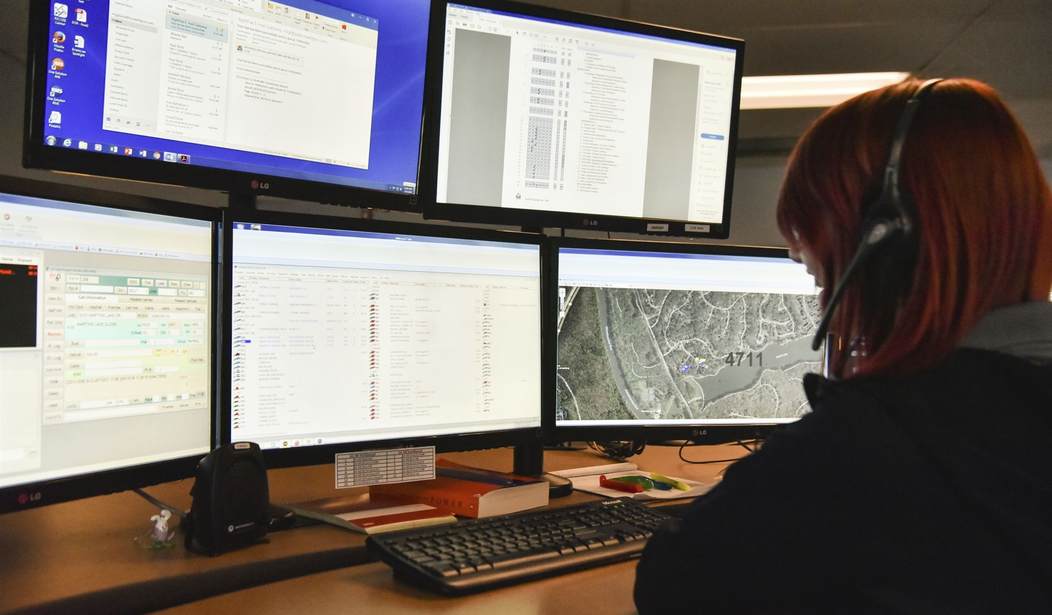
Most national headlines about law enforcement follow a script: suspicion, conflict, then outrage. Rarely do those stories show restraint, patience, compassion, and skill. Here's an incident involving law enforcement you probably won't find among national headlines.
A recent call in Pennsylvania deserves attention precisely because it breaks that script.
In a Pennsylvania county, a 911 dispatcher faced a volatile situation: an armed man suffering from dementia had barricaded himself and refused to come out. There was an obvious risk: One wrong move could've ended in gunfire.
Instead, calm prevailed.
The dispatcher, who at this point remains unknown according to the communications manager for Northhampton County, Kelly Prentice, stayed on the line with the man as officers surrounded the area. Rather than escalating the situation, the dispatcher showed empathy, speaking slowly and acknowledging the man's fear, building trust.
Because of his firearm, officers prepared for the worst. Yet the dispatcher kept him engaged long enough for confusion to give way to clarity. Eventually, he put his gun down and surrendered without a single shot fired.
Law enforcement often trains for force, while dispatchers train for control through words; it's a distinct difference, especially in situations involving dementia. Anxiety quickly spikes when memories fail, and logic is replaced by fear.
The dispatcher immediately recognized the medical dimension: dementia doesn't respond well to commands barked through a phone's speaker; it responds to reassurance.
That understanding likely saved a life.
On scene, police officers relied on that steady communication, coordinating between dispatch and patrol, which prevented any sense of growing chaos. Officers didn't rush; they waited.
There wasn't a dramatic takedown or flashing images, just quiet professionalism and humanity.
In today's loud news cycles, these types of stories rarely trend, where a peaceful resolution doesn't feed the continued outrage. It didn't fit the narrative that malice hides behind every badge. National debates assume misconduct first and competence a distant second.
Recent controversies around police cooperation with federal agencies and heated rhetoric surrounding immigration enforcement dominate headlines.
Related: Grow Up: The Left’s Growing Intolerance
Those disputes deserve legal scrutiny when appropriate, but they also create a climate where suspicion becomes automatic.
A dispatcher guiding an armed man with dementia to safely surrender doesn't generate fury; it generates relief, which doesn't drive ratings.
Public service includes more than enforcement; it includes judgment, restraint, and humanity.
The dispatcher, working under tremendous pressure, demonstrated all three.
“She used her experience and instincts to maneuver through the call and de-escalate the situation,” Prentice said of the dispatcher. “She spoke calmly, listened to the caller, and reassured the caller that help was being dispatched.”
The dispatcher then asked the man to put down the gun and meet the officers outside with his hands up. The man eventually obliged and was taken into custody without incident, police said.
Prentice said dispatchers are trained using industry standards from the Association of Public Safety Communications Officials, taught by certified instructors, in the event of emergencies.
“This teaches the dispatchers how to handle all different types of calls from all sorts of callers, including those with behavioral health emergencies,” Prentice said.
There will be critics who argue that systemic problems define law enforcement culture, even as reform "conversations" continue in many American cities.
As important as accountability is, it's critical to recognize when the professionals do their jobs well.
Nobody was killed in Pennsylvania, no funeral plans were needed, officers safely returned to their families, and the man received the care he needed instead of being zipped up in a body bag.
These are the outcomes of training, working, and people choosing patience over chaos.
Dispatchers typically sit in a room far removed from the sounds of sirens and flashing lights, but their decisions and actions ripple outward in seconds. Their tone of voice either calms a crisis or inflames it. In that moment, however, the dispatcher became the most important voice in the county.
Being a dispatcher demands mental strength, emotional control under pressure, and quick thinking when lives hang in the balance.
That call in Pennsylvania shows the badge still carries responsibility grounded in service and public safety.
The uniform, whether behind a workstation or the wheel of a patrol car, doesn't erase compassion.
It amplifies it.
Public discourse on the national level about law enforcement has skewed wildly toward failure. Success deserved greater attention; when a dispatcher prevents tragedy through patience and skill, that story reflects the very best of public service.
If you value reporting that highlights real outcomes instead of recycled outrage, join PJ Media VIP, and use promo code FIGHT to save 60% and gain full access to exclusive analysis and stories that matter.

Join the Conversation
VIP members get the ability to comment on articles.