







It doesn't matter where you live, garbage rots the same everywhere. Flies could give a zzzzpt about ideology, and rats aren't checking voter rolls. Rot smells the same whether it's rising from Manhattan or Havana.
But the deeper story unfolds: that rot varies by zip code.
Havana’s trucks run on fumes
Havana, Cuba's garbage problem has reached crisis levels; only 44 of the city's 106 garbage trucks are working, because fuel shortages have sidelined the rest, despite the piles of cardboard, plastic bottles, food scraps, and torn bags sitting in neighborhoods for more than ten days at a time.
Cuban President Miguel Díaz Canel has acknowledged the shortages and called for negotiations with the United States, but without preconditions. Cuba's government says it must ration fuel to protect hospitals and other essential services.
Fuel sources for Cuba are dwindling: Venezuela stopped deliveries in mid-December, and Mexico stopped shipments after facing pressure over sanctions enforcement. President Donald Trump expanded measures targeting vessels that transport fuel to the island as part of his broader pressure campaign against Havana.
Havana's garbage crisis, as frequently covered by world media, is the visible result of American sanctions, with "chokehold" appearing often in reports. The implication is rather clear: trash is piling up in Havana because Washington tightened the screws.
New York buries trash under snow
Let's travel north, up America's East Coast.
Zohran Kwame Mamdani took office on January 1, 2026, as New York City's 112th mayor. A few weeks later, a major snowstorm hit the city, ushering in winter's deep freeze.
The city's sanitation department shifted about 2,500 workers to snow removal, with crews working 12-hour shifts clearing streets across all five boroughs. Meanwhile, in many neighborhoods, trash collection fell behind by one or two days.
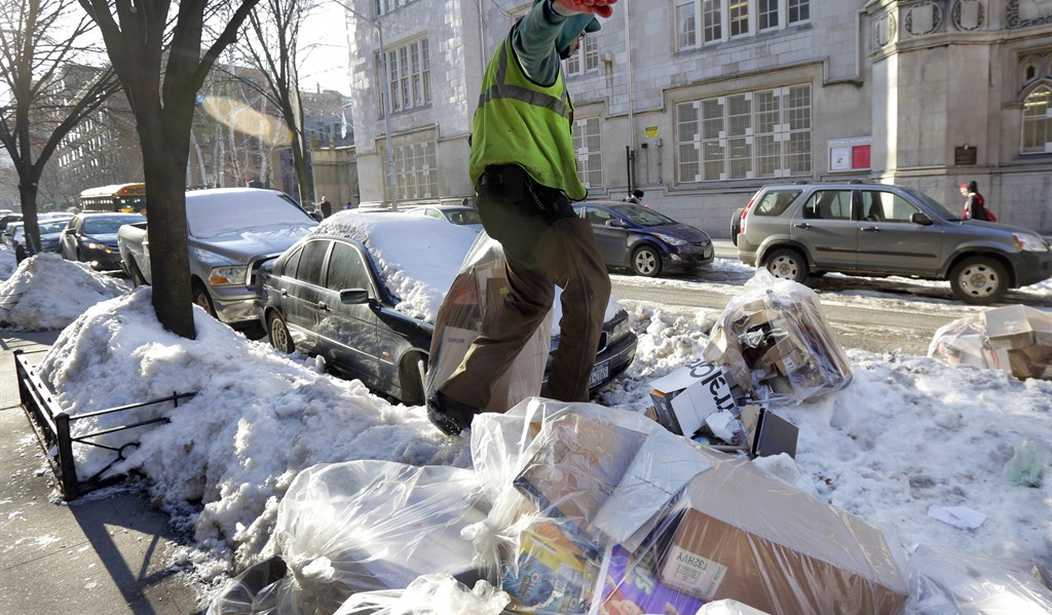
Trash bags are reportedly piling up to eight feet high in spots near Gracie Mansion and the Upper East Side. Residents complained of blocked sidewalks, rat activity, and strong odors.
Mamdani defended sanitation workers and said crews were prioritizing trash and compost over recyclables during the backlog. Department of Sanitation spokesperson Josh Goodman explained that the department emphasized smell first.
“Given that the same sanitation workers who pick up trash have been clearing the foot of snow and ice that fell last Sunday, we are about one day behind on collection, and we ask for patience from New Yorkers while we catch up,” Department of Sanitation spokesman Josh Goodman told THE CITY.
“We are prioritizing trash and compost — the stuff that can smell — over recyclables, but we are picking up all streams, all across the city, just on a slight delay,” he added.
The Department of Sanitation is running hundreds of trucks through extended 12-hour shifts until they’re caught up, Goodman said.
News reports described the inconvenience and urged patience, while blaming snow and ice as the primary culprits.
Blame flows differently
Havana faces fuel shortages tied to sanctions and collapsed foreign support; New York City faced snow, staffing shifts, and operational strain. Both cities watched trash pile up in plain sight, and both involved decisions made by elected leaders.
Yet, in Havana, fingers point outward to Orange Man Bad. In New York City, Mayor Mamdani receives context, weather reports, and explanations about resource allocation.
Per a report in THE CITY today:
"Given that the same sanitation workers who pick up trash have been clearing the foot of snow and ice that fell last Sunday, we are about one day behind on collection, and we ask for patience from New Yorkers while we catch up," Department of Sanitation spokesman Josh Goodman told THE CITY. "We are prioritizing trash and compost — the stuff that can smell — over recyclables, but we are picking up all streams, all across the city, just on a slight delay," he added.
Many commentators on the above post haven't been too patient or kind to Mamdani.
This is your mayor people. You voted for him. 10 days later and the city is a mess. Yes, we have seen this in years past, but I've never seen garbage (and snow) piled up like this in the second week. Where is sanitation? No longer cleaning the roads. Mamdani should make them start picking up garbage. One month and he s u c k s.
Nobody is calling snow a chokehold, or framing the Manhattan trash as the result of ideological overreach. The narrative tone shifts with the political context.
Canal blames external pressure for fuel scarcity, while Mamdani cites weather and logistics.
The language surrounding each tells its own story.
A tale of two cities
Garbage reveals something deeper than sanitation schedules; it exposes governance, reflects competence, and tests whether daily services function under stress. Rhetoric doesn't resolve either problem; both need trucks that run and crews that work.
Havana residents step around rotting piles that have been left to linger for days. Manhattan residents navigate bags stacked high against snowbanks. Frustration lives in both cities; the difference lies in who carries the narrative weight.
Trash doesn't vote, sanction, or campaign; it simply builds up when systems fail. Garbage piling up in Havana leads to American policy in the headlines. When in New York, it's the weather.
Unless you're Oscar the Grouch, nobody in either city is happy. Yet only one mayor hides behind the snow.
For deeper analysis on how narratives shape accountability at home and abroad, become a PJ Media VIP today.



Join the Conversation
VIP members get the ability to comment on articles.