





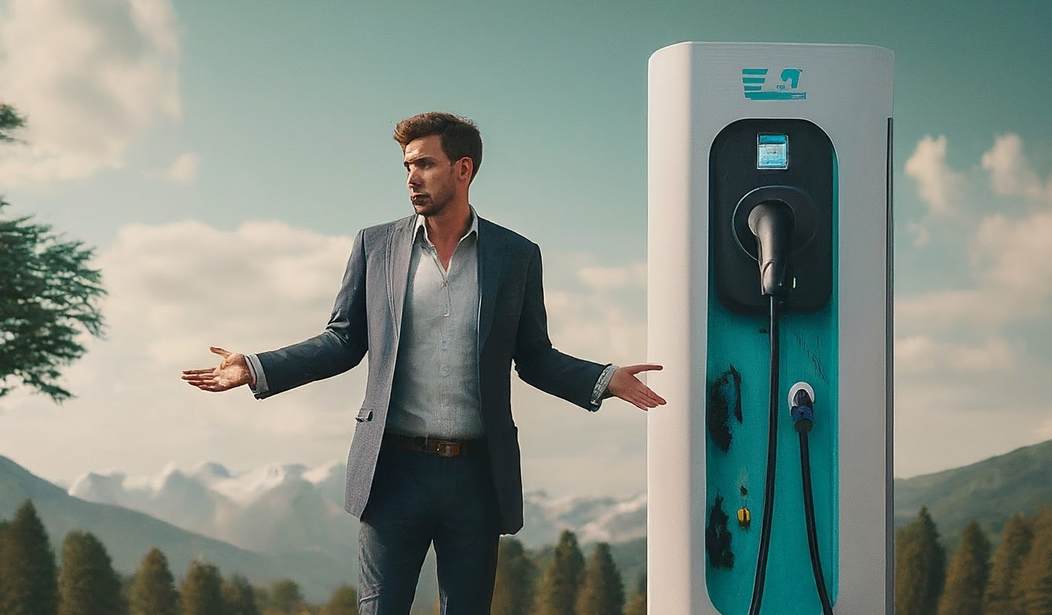
A married couple walks into a dealership with a number in mind that already stretches the household budget. Even though shiny paint and touchscreens look cool, every window sticker reads like a dare; walking away feels like defeat, while signing feels reckless.
That quiet moment between hope and retreat has become a familiar scene in today's America.
The Trump Administration's Plan
Today, the Trump administration announced its effort to lower car prices by eliminating emissions regulations, even as affordability is a key concern for families.
Transportation Secretary Sean Duffy, EPA head Lee Zeldin, and U.S. Trade Representative Jamieson Greer showed up at the annual Detroit Auto Show, which wrapped up a two-day Midwestern swing that included stops at a Ford truck factory and a Stellantis Jeep plant in Ohio.
Duffy said the rules "will bring car prices down and allow car companies to offer products that Americans want to buy."
He added, "This is not a war on EVs at all ... We shouldn't use government policy to encourage EV purchases all the while penalizing combustion engines."
Once the dust from the 2024 presidential election had settled, the administration worked hard to roll back the electric vehicle rules it put in place.
The Price Problem Everyone Feels
Going on now for the past many decades, the price of cars climbed much faster than wages, with the average purchase price rising well over $40,000, and monthly payments following close behind.
Average new car transaction prices hit a record $50,326 in December as Americans bought more pricey trucks and SUVs, research firm Cox Automotive said, while automakers are offering fewer entry-level vehicles.
Trump signed legislation last year eliminating a $7,500 EV tax credit, rescinding California's EV rules, and cancelling penalties for automakers not meeting fuel efficiency requirements.
Zeldin said the government "should not be forcing, requiring, mandating that the market go in a direction other than what the American consumer is demanding."
The Electric Promise Meets the Invoice
When electric vehicles first arrived on the scene, they held great promise of savings and progress, but sticker prices told a different story. Batteries rely on lithium, cobalt, and nickel, often mined overseas with heavy diesel equipment and limited environmental safeguards.
Adding even more emissions are processing and shipping, all before a single mile is driven. The final cost lands squarely on buyers who already feel squeezed.
Why Pulling Back Makes Sense
President Donald Trump's move to ease regulatory pressure didn't ban innovation or cancel choices, but it slowed a forced march that completely ignored supply chains and affordability. Gas-powered cars are cheaper to build and repair, and far more accessible to people living in rural areas and working families.
Environmental Costs Nobody Advertised
What nobody openly talks about in the EV market is how environmentally damaging the industry is. Mining rare earth minerals leaves horrid scars on landscapes while straining water supplies.
Battery production uses an enormous amount of energy, typically sourced from coal-fired grids overseas. Another long-term risk is created when it comes time to dispose of those batteries.
All those glossy ads never talk about those realities, even though they make up a large part of the actual environmental bill.
How Much Power Does a President Really Have
No president sets prices in an open-market economy; manufacturers decide production, and consumers demand.
What the government can do is make changes at the margins: regulations, tariffs, subsidies, and mandates either add cost or remove friction. Rolling back the rules that cause prices to rise gives buyers some breathing room without dictating what anybody must drive.
Choice Beats Mandates
Like all major purchases, there needs to be significant benefits involved. Car buyers value reliability, range, and cost over ideology. While some want EVs and can afford them, others need a dependable truck or sedan that starts in cold weather and doesn't need charging stations miles away.
When they respect those differences, policies work best instead of forcing uniform outcomes.
The Quiet Win
Unlike flashy announcements, price cuts rarely make headlines. Families notice it at the dealership, not on a stage. When leaders understand daily pressures, they create fewer illusions and more realism, which restores trust. It's an approach that doesn't promise miracles, but it removes obstacles and lets common sense finally take over.
Down at ground level, the couple on the car lot still runs the numbers while weighing risk; the difference lies in fewer artificial costs that stand between a set of new keys and the ignition.
Sometimes, progress looks less like a leap forward and more like cleaning debris off the road.
Final Thoughts
When people can breathe again, markets move. No president dictates sticker prices, yet leadership can stop pretending expensive dreams are free.
Clearing space for affordable options helps more people than forcing a single vision ever could—socialism, anybody? Clearing space for affordable options creates more help for more people than any single vision ever could.
When the road opens and financial burdens are lightened, families will drive forward on their own terms.
PJ Media VIP members help keep reporting and commentary independent, honest, and willing to challenge fashionable narratives that raise costs for everyday people. Join today and support work that puts reality before slogans.


Join the Conversation
VIP members get the ability to comment on articles.