


Those of us living in Wisconsin, especially in mid-January, know the danger rarely comes from speed alone; trouble comes from hesitation—whether it’s the car in front of you driving scared, or you waiting too long and then turning the wheel too sharply while tapping the brakes too hard and losing control. Momentum decides the rest.
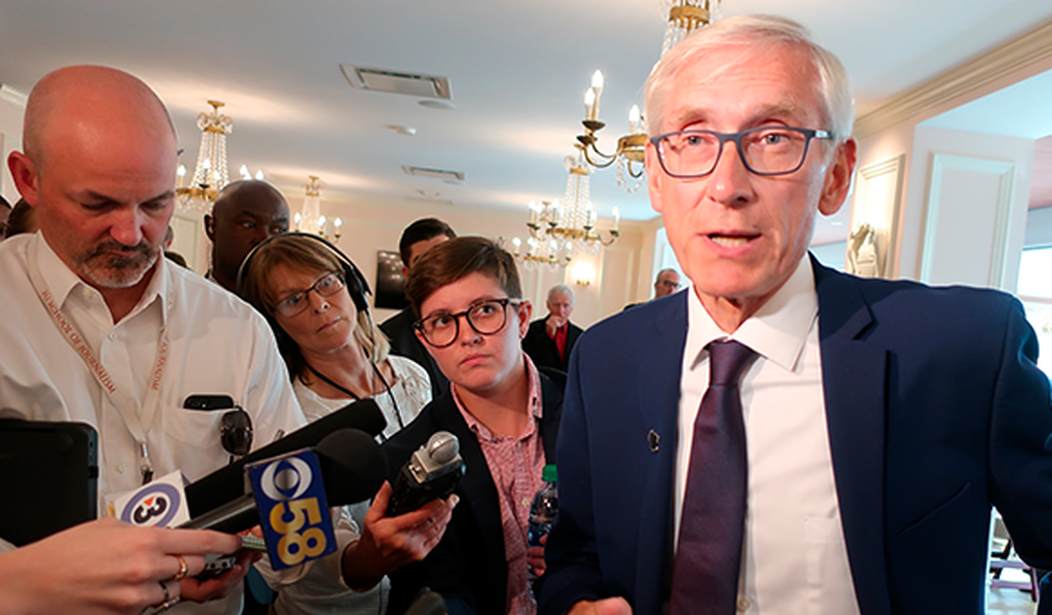
Sitting on a similar curve is Wisconsin's immigration debate, with Governor Tony Evers easing off the speed before he gets too close to the curve, while the road ahead looks anything but forgiving.
A Proposal That Hit a Wall
Lieutenant Governor Sara Rodriguez floated the idea of drafting a Wisconsin law to restrict cooperation with ICE. The outline aimed to limit the extent to which state and local agencies assist federal immigration enforcement.
Lt. Gov. Sara Rodriguez, a Democrat, called Monday for a ban on civil immigration enforcement action at Wisconsin courthouses, hospitals and health clinics, licensed child care centers and day cares, schools and institutions of higher learning, domestic violence shelters and places of worship. Exceptions include a judicial warrant or an immediate threat to public safety.
Surprisingly, at least to me, Evers responded with visible restraint, publicly distancing himself from the proposal, signaling skepticism rather than support.
When asked about her proposal at a news briefing, Mr. Evers, a fellow Democrat, said, “I’m not sure we have the ability to do that.”
Evers didn't dismiss immigration reform as a concept, but his remarks drew a firm line around state involvement, stalling the idea before reaching formal drafting.
He quietly stopped the car rather than creating a public rejection.
The Federal Shadow Returns
Because President Donald Trump occupies the Oval Office, some governors have learned how quickly federal attention sharpens. Sanctuary cities triggered immediate responses when federal grants came under scrutiny, followed by lawsuits that rapidly generated public outrage.
Wisconsin, like most states, is politically split, with urban centers leaning blue and much of rural Wisconsin leaning red. Directly challenging federal immigration enforcement risks reopening old fights that used up the political oxygen in the room.
Even a symbolic anti-ICE "law" would invite lawsuits, funding disputes, and national attention that limits any maneuvering.
Fear or Calculation
Does Evers fear Trump's reaction? He may be calculating the risk.
Both are true without contradicting the other. Any governor doesn't need to be afraid of leverage. Trump controls federal agencies, grant pipelines, and national messaging; picking a fight without a clear endgame won't end cleanly.
“We can take a look at that, but I think banning things absolutely will ramp up the actions of our folks in Washington, D.C.,” He said. “They don’t tend to approach those things appropriately.”
Rodriquez can afford to throw ideas against the wall to see what will stick. As lieutenant governor, she doesn't face the same institutional risks as the governor.
For now, Evers owns the outcome, and by stepping back, he shields his administration from becoming the next state aggressively challenging the federal government.
What the Pause Communicates
While Evers didn't publicly rebuke Rodriguez, he also didn't endorse her proposal. It's a silence that carries weight; Wisconsin won't lead a charge against ICE under his leadership. Immigration enforcement remains, in his eyes, a federal responsibility rather than a state battleground.
I can only imagine how frustrated activists who want bold gestures will feel after hearing this news. Evers' actions reassure voters who prefer peace in their cities, and they also reflect a national mood shaped by Trump's return and a growing sense of impatience with jurisdictional defiance.
Final Thoughts
A good winter driver knows when to ease off before the curve, which greatly increases the chance of avoiding problems. Evers appears to have felt the ice under Wisconsin's tires and chose restraint over bravado.
I've been highly critical of Evers, but I have to give credit where it's due; he's acting like a responsible governor—at least for now.
Whether that decision reflects caution or calculation depends on perspective. Momentum belongs to Washington again, and governors are learning how unforgiving late corrections can be.
Good leadership often reveals itself in moments of restraint rather than speeches or press releases. Wisconsin’s ICE debate shows how governors weigh power shifts under a second Trump presidency.
PJ Media VIP members get deeper analysis on how state leaders adapt when federal authority reasserts itself and why hesitation can protect more than it costs.



Join the conversation as a VIP Member