







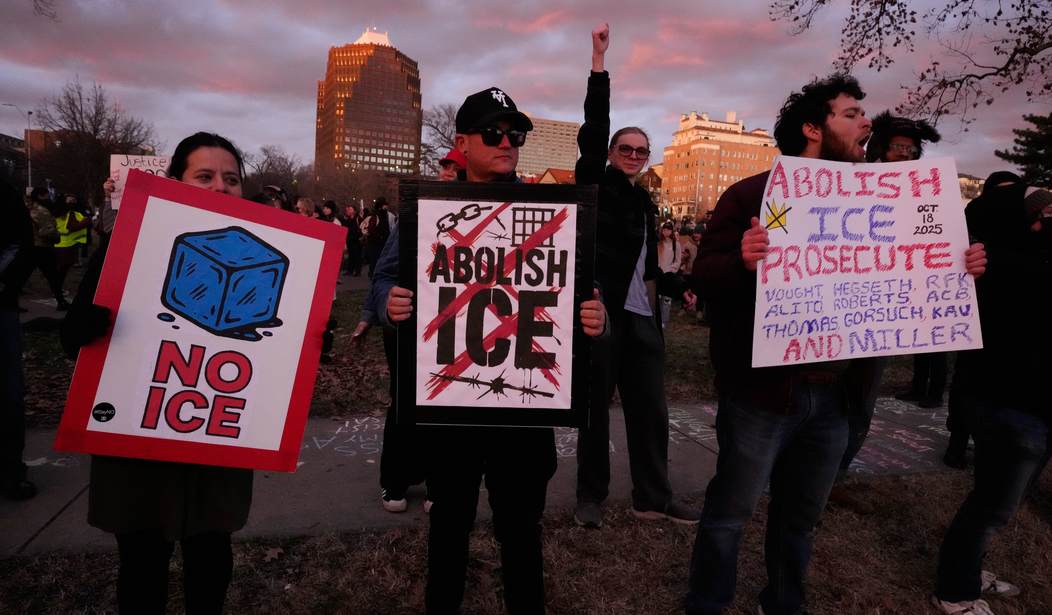
Six federal prosecutors resigned from Minnesota offices Tuesday morning after the Trump administration authorized a review of Renee Nicole Good's background.
You know, the woman who attempted to murder an ICE agent and was shot in an act of self-defense?
Internal objections to the review led to the resignations rather than disputes over facts from the incident itself.
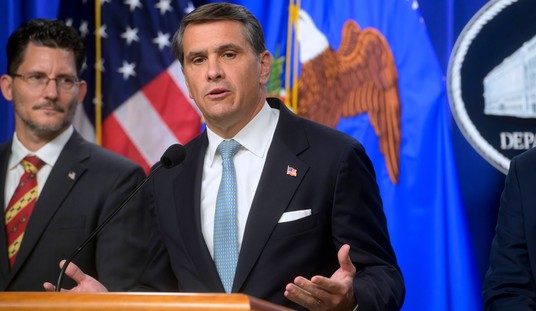
The U.S. Attorney for Minnesota, Joe Thompson, soon followed with his own resignation. Thompson previously earned national attention for uncovering the large-scale fraud during the pandemic. By resigning, he gives the protest a recognizable face and a louder echo, even if the substance of the argument stays thin.
Thompson also objected to the federal decision to exclude state officials from the investigation into Good's fatal shooting, as well as to the reluctance of federal officials to investigate the ICE officer who fired the fatal shots, per the Times. The newspaper previously reported that federal investigators were instead focused on the political activities of Good, and the new story extends that to her widow. President Trump has referred to them both as "political agitators."
After an ICE agent faced a lethal attack during an enforcement action, federal authorities moved to examine Renee Nicole Good's background.
This isn't anything new; such reviews remain standard practice following assaults on federal officers. Investigators look for warning signs, affiliations, prior threats, and patterns that could prevent future violence.
The prosecutors who resigned argued that the review became political, framing the inquiry as punitive rather than preventative.
Instead of pursuing internal review channels or raising formal objections, they decided to leave.
Enforcement priorities quickly reshaped with President Donald Trump's return to the presidency. Immigration enforcement regained a sense of urgency, violence against federal officers moved to the top tier of concern, and agencies received clear direction to treat attacks on ICE agents the same as attacks on other federal law enforcement officers.
It's a shift the prosecutors understood, and they also knew that resistance wouldn't reverse it. Walking out didn't stop investigations or redirect policy; authority stayed with the Justice Department, not with state officials.
Minnesota is paying the price for the protests: remaining prosecutors absorbed heavier caseloads, court schedules tightened, victims waited longer for justice, and fraud investigations slowed. None of these outcomes improved safety or trust.
In Thompson's case, however, his exit mattered beyond symbolism. Minnesota lost a prosecutor who exposed the systemic abuse of taxpayer-funded programs, work that protected public resources and restored accountability. His resignation didn't punish Washington; it weakened Minnesota.
When conscience meets unavoidable conflict, resignation carries moral weight. It loses credibility when used as leverage.
Federal prosecutors swear an oath to enforce the law, not to veto policy through their absence.
Investigating the background of a woman who tried killing an ICE agent fits squarely with prosecutorial duty. Declaring such scrutiny as wrong reframes accountability as hostility, a framing that collapses when measured against public safety.
In the end, Minnesota's prosecutorial walkout won't reverse federal authority or protect public safety. Instead, it removed experienced officials from the field, leaving the state thinner, louder, and no safer than before.
Political tantrums rarely age well, especially when law enforcement is at stake. Minnesota’s resignations reveal how power functions when administrations change, and emotions collide with duty.
PJ Media VIP members get deeper insight into accountability under President Trump and why quitting seldom replaces governing.
Join the Conversation
VIP members get the ability to comment on articles.