





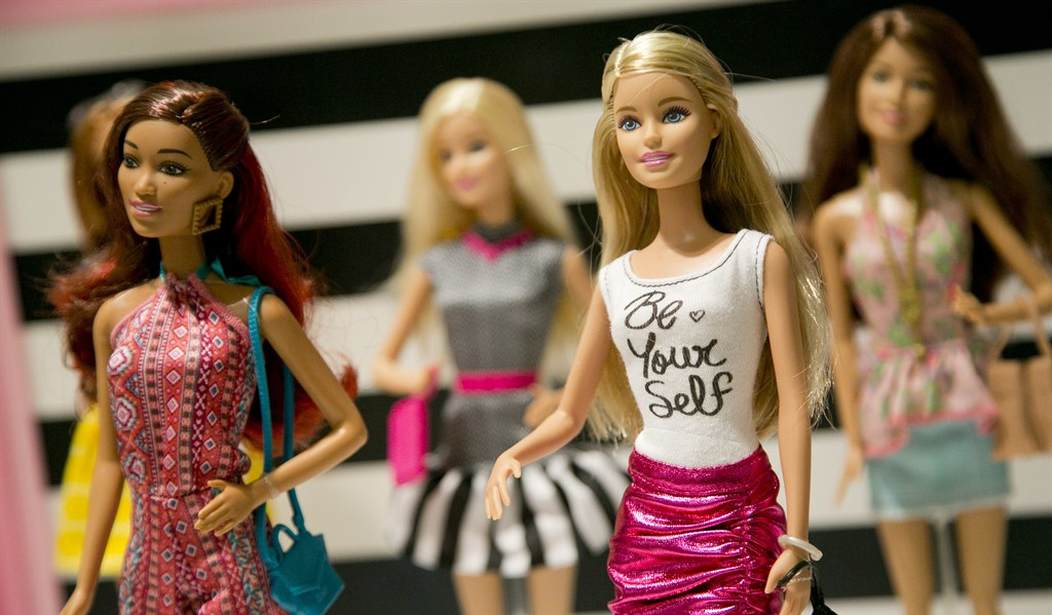
Once, a kid opened a toy box the way somebody opens a garage door on a summer morning, where anything might roll out: a car, a ball, or even a doll with scraped knees and mismatched shoes. Nobody included instructions for the doll or explained which feelings were required to play with it.
Mattel has unveiled its first Autistic Barbie, presented as a milestone in representation through play, even as corporate language celebrates inclusion, awareness, and progress.
The packaging's message is carefully presented, while the press copy speaks louder, and somewhere along the way, play stopped being spontaneous and started feeling supervised.
The new autistic version joins a growing line of Barbies designed to reflect the left's social values, not invite imagination. While the intent reads as compassionate, the execution feels familiar to parents who've grown tired of moral coaching from brands that once sold joy, and without commentary.
When Play Turns Procedural
Once, Barbie held jobs that required nothing but a child's imagination: Astronaut, surfer, and a skater with headphones and no destination, when stories emerged naturally, and kids filled in the gaps without guidance.
Nowadays, playtime comes preloaded with a purpose, with Mattel framing change as progress. Critics see a corporate habit of instructing families on the left's values rather than "allowing" families to shape them.
Their tone resembles what an HOA neighborhood would be like on a worldwide corporate level, sharing notices about approved ideas, narratives, and outcomes.
All the while forgetting that kindness never needed branding and play never required supervision.
Barbie Trivia
When I worked as a bulk mailer, we needed to account for the longest name on a mailing label, so we used Barbie's real name: Barbara Millicent Roberts. It's a name based on real people:
The co-founder of Mattel, Ruth Handler, created Barbie, naming the doll Barbara after her daughter, Barbara Handler. The middle name, Millicent, came from Ruth's actual middle name, and the last name, Roberts, was deliberately chosen to be plain and all-American. Finally, the focus group decided to make Barbie feel grounded and selected a fictional Midwestern city as a hometown: Willows, Wisc.
Everybody Special, Nobody Surprised
When every toy carries a message, surprise goes the way of the dodo bird; where special becomes routine, and wonder fades. Kids sense those shifts even if parents pretend otherwise.
A doll needs to invite stories, not assign lessons. Creativity thrives in open space, not packed in containers with curated meaning.
It's a mutually exclusive theory: Mattel insists that toys educate, while parents know play already teaches, but without press releases.
The Expanding Shelf of Intent
A glance at Mattel's "Barbies with Disabilities" Amazon page shows a growing catalog built around representation and messaging, including wheelchairs, hearing aids, and prosthetics. Each doll arrives with a careful explanation and supportive language.
Mattel's concern isn't inclusion as much as saturation is: When every doll carries meaning, kids leave the room to invent their own fun.
Helpful Suggestions for the Next Release Cycle
Since the door is wide open, Mattel might as well keep going — if it wants society represented, they should do it right.
- Bow Hunter Barbie
- Broken Printer Manager Barbie
- Cable TV Customer Service Barbie
- Childless Cat Lady Barbie
- Domestic Terrorist Barbie
- Driving While Texting Barbie
- Exhausted Mom Barbie
- Fentanyl Barbie
- Health Insurance Claims Denier Barbie
- HR Exit Interviewer Barbie
- Illegal Immigrant Barbie
- Office Thermostat Nazi Barbie
- Online Comment Moderator Barbie
- Retail Returns Desk Barbie
- School Board President Barbie
- Self-Checkout Attendant Barbie
- Scolding Finger Pointing Barbie
- Transgender Ken
- Unemployed Protester Living in Parents' Basement Barbie
- Walmart Shopper Barbie
At the very least, those dolls reflect reality without sermons.
The Roller Skates Went Missing
I have a theory about why Mattel rolled out the Autistic Barbie: they likely have warehouses full of old-school Barbies wearing headphones and moving fast, without messages or lessons, just motion.
The updated Barbie needed little effort: Remove the roller skates, and write a press release. It's a choice that explains the frustration behind the situation: kids don't demand guidance; boardrooms do.
Final Thoughts
A box of toys needs to sound like movement, not meetings. Barbie earned her place by letting girls decide who she became. But when her CV expands, joy contracts, slowing play down.
That garage door frequently opens, while kids still wait to see what rolls out.
A lecture on morality and inclusivity isn't what they're looking for.
PJ Media pushes back when ordinary moments turn into moral exercises. If common sense and honest cultural criticism still matter to you, consider supporting our work.
Join the Conversation
VIP members get the ability to comment on articles.