





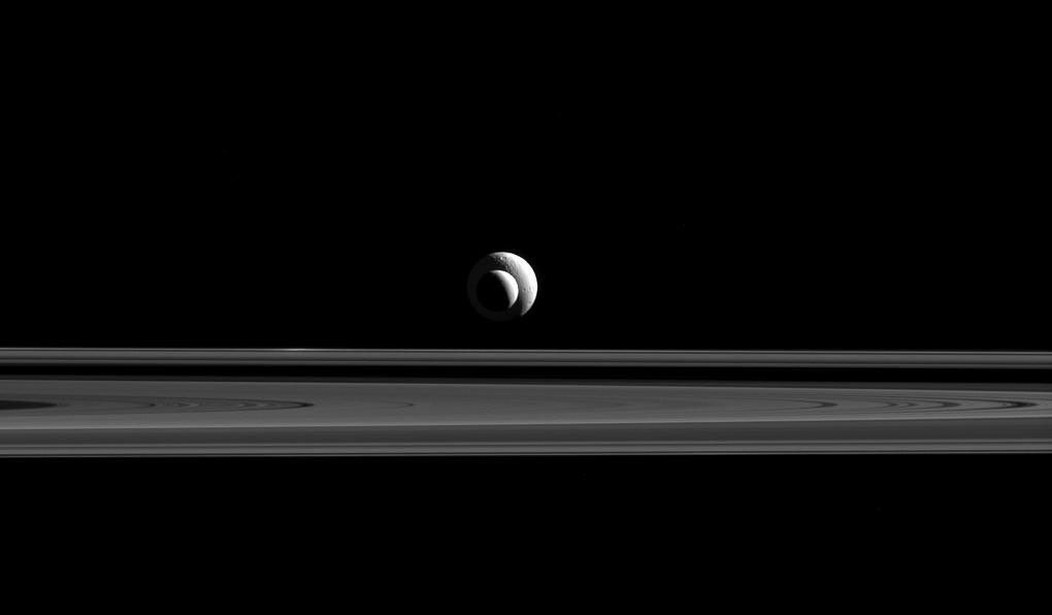
The last week of January has not been kind to NASA.
NASA's Day of Remembrance is traditionally observed on the fourth Thursday of January each year. This date is chosen because it falls near the anniversaries of the three major U.S. space tragedies: Apollo 1 (January 27, 1967), Challenger (January 28, 1986), and Columbia (February 1, 2003).
The Apollo 1 fire.
As we approach the anniversaries of Apollo 1 being today, and Challengers anniversary tomorrow (with 2026 marking the 40th of Challenger) these tragedies remain stark warnings of what happens when political pressure, rushed schedules, and lobbying override engineering caution and… https://t.co/xPKr2ToOjG
— 9mm Rat (@SovietRat1984) January 28, 2026
The Challenger accident.
#SciOTD 𝟰𝟬𝗧𝗛 𝗔𝗡𝗡𝗜𝗩𝗘𝗥𝗦𝗔𝗥𝗬 𝗢𝗙 𝗧𝗛𝗘 𝗦𝗣𝗔𝗖𝗘 𝗦𝗛𝗨𝗧𝗧𝗟𝗘 𝗖𝗛𝗔𝗟𝗟𝗘𝗡𝗚𝗘𝗥 𝗗𝗜𝗦𝗔𝗦𝗧𝗘𝗥
— ScienceKonek (@sciencekonek) January 28, 2026
On this day in 1986, a moment meant to inspire the world turned into one of the darkest chapters in space exploration. Just 73 seconds after Space Shuttle… pic.twitter.com/aAVMXqJFvL
The Columbia accident on re-entry.
The Space Shuttle Columbia crew in orbit; recovered from wreckage inside an undeveloped film canister. pic.twitter.com/nu8Qo59Plv
— Creepy.org (@creepydotorg) February 26, 2024
Robert Heinlein had a theory of morality that went from self-preservation, to preserving your family, your tribe, and your country. The ultimate, in Heinlein's view, were the missions to the Moon and in exploration of space in general.
"Behaving on a still higher moral level were the astronauts who went to the Moon."
Onward.
There's a lot out there.
📸Clear skies. Long nights. Unreal results ✨
— OrbitalToday.com (@SpaceBiz1) January 27, 2026
This week’s astrophotos remind you why people fall in love with the night sky!
See the full collection👉 https://t.co/DrMSQMPV0t
📸 @RakanRel / @PhotonPhanatic / @shaunreylec / more pic.twitter.com/pUmJJ8D3DR
And some valuable real estate.
Wednesday evenings 78% Moon. @MoonHourSocial #astronomy #astrophotography pic.twitter.com/jzlgeAWBpH
— Roger Hyman (@hyman_roger) January 28, 2026
We usually see individual images, but the sky is actually just cluttered with spectacle.
Flaming Star Nebula, Tadpole Nebula, M38
— ISRAEL RAMIREZ (@DON_PROCO) January 27, 2026
Testing Askar Sqa55 🔭
10hrs 40 mins
128/300s
Bortle 6 😁
Optolong L Ultimate
📷 Camera ZWO asi 2600mc Air
⛰️ Skywatcher Star Adventurer Gti
💻 Pixinsigth#astrophotography #space #telescope #Optolong #universe #astronomy #cosmos pic.twitter.com/sA44jNGiLm
NGC4631&4656
— pegasus (@pegasus291) January 28, 2026
気象条件に恵まれて初撮影
長焦点で撮ってみたくなる也~
ε160ED+EX/QHY600C/露光120min #astrophotography pic.twitter.com/ACFlHlCT5Q
It can get a little spicy out there.
The Crab Nebula is the aftermath of a supernova seen on Earth in 1054 AD. This narrowband image shows energized gas still expanding into space nearly 1,000 years later, a living record of cosmic history. ✨#CrabNebula #Astrophotography #Astronomy #DeepSpace pic.twitter.com/K9MqallyOY
— Asgardia (@AsgardiaSpace) January 27, 2026
But that won't stop us.
Falcon 9 launches 29 @Starlink satellites from Florida pic.twitter.com/CZmkk0fHKO
— SpaceX (@SpaceX) January 30, 2026
As always, I love comments, and I hope you enjoyed these images. I promise next Friday will be a little lighter.
Sentience shall seed the stars.
Also for our VIPs: Solar Storm Sky Candy

Join the Conversation
VIP members get the ability to comment on articles.