







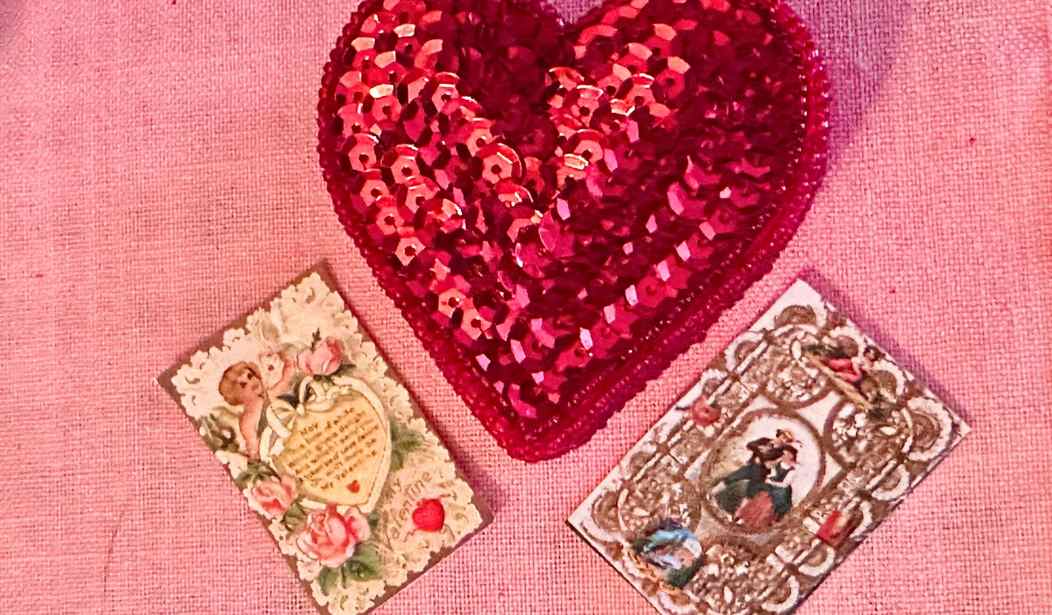
Happy St. Valentine’s Day! One of the primary features of this day is the giving of valentine cards, a practice that goes back multiple centuries, but which became especially popular in the English-speaking world during the Victorian era.
From cards cut to open as cages with a heart inside to fold-out booklets with the “language of flowers,” to cheap “vinegar valentines” to expensive masterpieces with silk, gilding, and lace, the Victorians — both in Britain and America — were as fond of valentines as we are today.
Valentines made by Esther Howland (1828–1904), known as the “Mother of the American Valentine.” (Courtesy of 5 Minute History) pic.twitter.com/RjtJq0tYgj
— Catherine Salgado (@CatSalgado32) February 14, 2026
Below is an interesting video from the Victoria and Albert Museum in Britain, which has a large collection of valentines. The cards they show include a hand-painted one from the 1700s up through modern examples. One side note — there is no solid evidence that St. Valentine’s Day celebrations as we know them came from a pagan fertility festival, which is largely a modern anti-Christian imposition.
Firstly, why valentines? This holiday comes out of the feast of the third century martyr and cleric — some sources say bishop, some simply say a priest — Valentine of Rome. According to tradition, he was jailed for performing Christian marriage ceremonies at a time when the emperor Claudius tried to restrict marriage for young people, under the belief that unmarried men made better soldiers. While in prison, he wrote a letter to the daughter of his jailer, whom he had cured of blindness, and signed it “your Valentine.” From Valentine’s ministry to young couples and his letter to the healed girl grew his patronage of lovers and the practice of sending valentine messages.
Related: Why We Send ‘Valentines’ on February 14
Unlike today, when most of our valentine cards are folded, many of Victorian valentines were flat sheets, especially the cheap ones (some as inexpensive as a penny). The Victorians were fond of colored illustrations and, if they could afford them, embossed borders and other delicate raised decorations. Some might even include little perfume pouches or strings and sticks to make parts of the card move. Great Britain saw an especial boost in valentines after introducing the penny post in 1840, making it much more affordable, and triggering mass production, per 5 Minute History.
Rather than purchase a ready-made valentine, some Victorians assembled original valentines from materials purchased at a stationer’s shop: lace, bits of mirror, bows and ribbons, seashells and seeds, gold and silver foil appliqués, silk flowers, and clichéd printed mottoes like “Be Mine” and “Constant and True.”
Victorian valentines commonly feature churches or church spires, signifying honorable intentions and fidelity.
But valentines also became popular in America as well, as 5 Minute History notes. Esther Howland, the 19th century artist and businesswoman called the “Mother of the American Valentine,” decided she wanted to create beautiful cards like the ones in England. She crafted lovely cards with paper lace, floral decorations, colored images of couples, and messages such as, “Weddings now are all the go, Will you marry me or no?”
The New York Times noted that by the late 1800s, valentines had become so popular that wealthy people were willing to spend extravagant sums, as between $100 and $500 — or, in today’s money, something between $2,500 and $12,000.
If you wanted to be really clever, you might send not only cards, but flowers based on symbolism that was established in various booklets, claiming that certain flowers symbolized certain virtues, passions, or plans. Thus a daffodil meant chivalry, a purple hyacinth forgiveness, a tulip a declaration of love, and a pink rose admiration.
One type of valentine you certainly did not want to get in Victorian times was a vinegar valentine, designed specially for those who wished to send their enemies and least favorite family members an insulting card. Below are two examples from The Smithsonian:
Victorian ‘Vinegar valentines’ — a good way to make enemies. Don’t send these on St. Valentine’s Day pic.twitter.com/MMcxUQOBFo
— Catherine Salgado (@CatSalgado32) February 14, 2026
As you can tell from these samples, vinegar valentines tended to be extremely insulting about a person’s physical appearance and marital or career prospects. The video above from the Victoria and Albert Museum includes several examples of vinegar valentines, too.
But if I were you, I would stick with the sort of beautiful cards that are similar to what Esther Howland produced. Now, as in the Victorian era, your loved ones will be delighted to receive beautiful cards with hearts, flowers, and romantic illustrations.
Editor’s Note: Support and follow PJ Media’s coverage of holiday traditions and key news in this midterm election year. Join PJ Media VIP and use promo code FIGHT to get 60% off your membership.


Join the Conversation
VIP members get the ability to comment on articles.