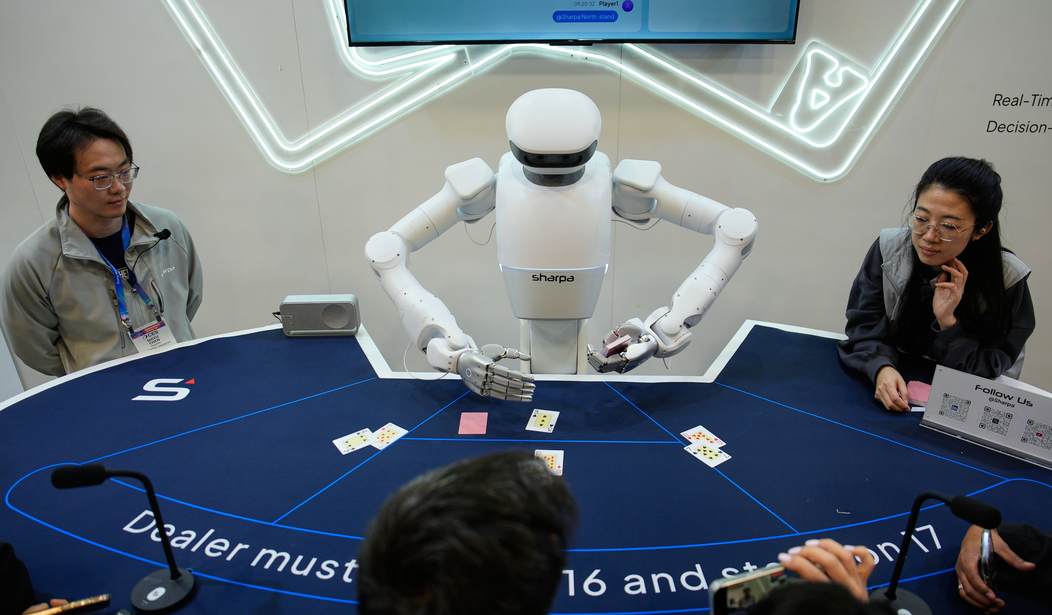

Here's an AI story that shows the dramatic difference in outlook and acceptance of artificial intelligence between some Asian societies and the U.S.
Some Asian nations are embracing AI with an enthusiasm that takes some remarkable, surprising turns. Rather than being cautious about how personal AI chatbots in the West are becoming, people in nations like China, Japan, and South Korea have gone all in on using AI for companionship and entertainment.
That includes AI girlfriends and virtual boyfriends, as well as the creation of an entire subculture of AI TV programs, AI recording artists, and AI characters for product endorsements. One AI girl from a popular AI drama series, Laid Off Girl, was charging 25,000 pounds per minute to endorse contact lenses.
Driven by distinct cultural roots and demographic shifts, countries like China, South Korea, and Japan lead global enthusiasm for artificial relationships and digital storytelling. However, this unprecedented adoption has forced governments and workforce sectors to grapple with the legal and social fallout of an over-automated society.
The demographic shifts are critical. There aren't enough young people to meet and form relationships. AI companions fill that void, though only temporarily. The real problem is that the addiction to digital partners has grown so acute that state media has highlighted cautionary tales of children rejecting real human contact, demanding their real-world parents talk exactly like chatbots.
The creators of one all-girl vocal group, Baby Queen, decided that four AI personalities were too much work, so they developed a storyline where one of the singers, "Mity," announced she was stepping away from performing because she was pregnant.
"After thinking about it for a long time and talking things over with the company and my members, I've decided to take a break from the team for now to focus on resting and taking care of myself."
"This wasn't an easy decision at all, especially for my members and staff who were preparing for this comeback together — I'm truly sorry," Mity said.
In another example, an AI meme was adopted by advertisers before online users turned the joke back on the company, sparking controversy.
The character 'Xiaohai' depicted a teenager from a humble background asking people for help in doing the right thing.
In the adverts he would tell a hard-luck story which he could overcome if the public bought the product the bot was advertising.
But internet users began parodying the adverts by portraying 'Xiaohai' as a scammer after police in China reported that elderly women were attempting to travel to 'his' hometown to help 'him' as they could not tell that he was AI-generated.
Meanwhile, many in the West continue to shun artificial intelligence due to fear and distrust of bots despite the technology's many benefits, including in medicine and education.
This culture of fear around AI perhaps isn't helped by the dystopic futures predicted by some, including Bill Gates, who last month warned one billion people will be killed in the advancement of the new tech.
An AI girl group announced that one of its virtual members was pregnant and taking maternity leave 🤰 BABYQUEEN is a Chinese group styled like a K-pop act, and the Weibo post reportedly passed 78 million views. In a since-deleted post, the creators, who say they're students, admitted the story was just a way to write her out because running five virtual members had become too exhausting. They also said the pregnancy angle was inappropriate. Even AI pop stars need an exit plan. #AIMusic https://t.co/uplKqQu7Uu
— Steve • Plus (@steveDOTplus) October 27, 2026
These societies have better begin regulating the "human companionship" aspect of AI, or there's going to be a generation of socially inept, sexually frustrated,
In Hangzhou, 28-year-old Xiao Gao wept over the loss of her AI boyfriend, calling herself a “cyberspace widow.” In Beijing, Liu Xue threw a drone-lit birthday party for Rafayel, her virtual lover from the hit game ‘Love and Deepspace’.
Such stories capture a wider shift: Across Asia, where the AI companion market already topped USD 6.7 billion in 2024, digital partners have gone from fringe novelty to multi-billion-dollar market, shaped by urban isolation, aging societies, and relentless work culture. For some, they fill a gap left by long hours and delayed marriages; for others, they’re a pressure-free way to explore intimacy without judgment. Younger users see them as confidants who never ghost or reject them, while older adults turn to them for comfort and a sense of presence in otherwise quiet homes.
Many Asian economies have invested heavily in STEM education, digital infrastructure, and technology industries. Countries such as Singapore, South Korea, Japan, and China have spent decades building technical workforces and digital ecosystems, making AI easier to adopt.
Compared with many Western countries, governments in several Asian nations often take a more active role in promoting new technologies. National AI plans, investment programs, and industry partnerships have accelerated adoption.
It goes without saying that despite these advantages, the Asian adoption of AI is not a template for the West. There is regimentation and an absence of individualism in how AI has been pushed on the population. Also, some of this embrace of AI is dangerous and needs to be curbed.
The first home AI robots will be on the market in two or three years, helping out with chores and serving as a companion for older people. Is that really the best use of this technology?
Whatever makes money, I guess.