





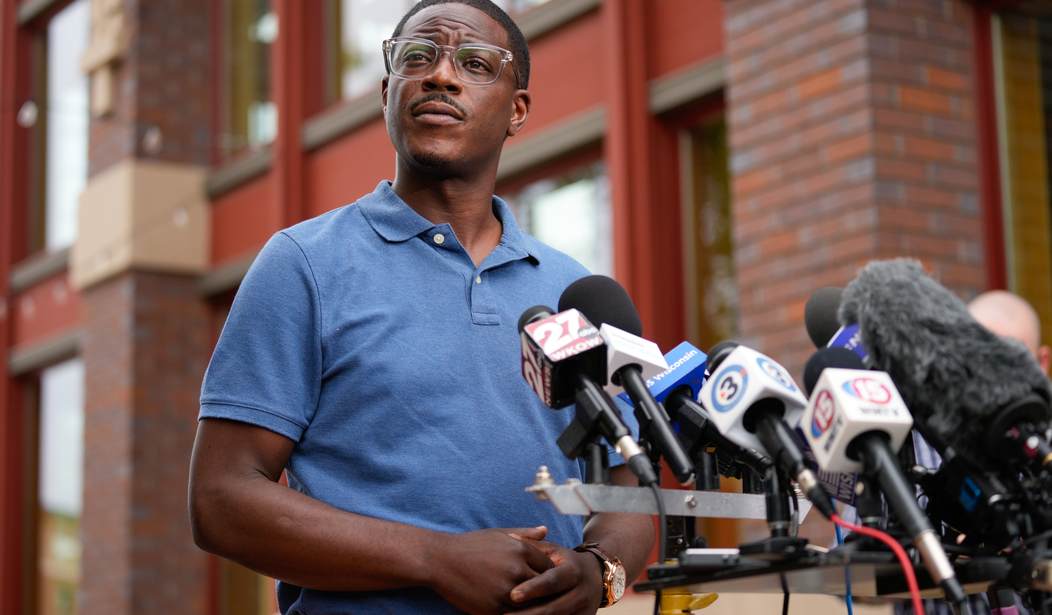
In November 2024, Milwaukee County Executive David Crowley spoke to supporters of a nonprofit and said county government shared its founder’s vision. Two years earlier, that founder had floated a plan to build a residential community specifically for registered sex offenders.
Wisconsin voters now have reason to ask what Crowley understood about the organization he praised.
"That is the work that leaves a lasting impact on our community, not just for today, but for many generations... Milwaukee County shares in your vision." David Crowley said this to a nonprofit that builds housing for convicted sex offenders. https://t.co/YYWSeZQNn7
— Tiffany War Room (@TiffanyWarRoom) October 12, 2026
The organization is It Takes a Village Foundation, founded in 2020 by Shawna Whitehead. During a 2022 podcast interview, Whitehead lamented the housing difficulties facing people released from prison who must register as sex offenders.
She proposed recruiting partners, buying land, and building houses to “create a whole community for our sex offenders.”
She acknowledged that the idea startled her hosts.
Crowley appeared as a featured speaker at the foundation’s November 2024 gala. Addressing Whitehead, he declared, “Milwaukee County, we share in your vision.”
He spoke about workforce development, affordable housing, mental health services, and substance abuse treatment. He also assured the audience that county officials would continue supporting the organization’s broader work.
Like a lead balloon, those words carry political weight, because Crowley, a Democrat, wants to become Wisconsin’s next governor. Republican Rep. Tom Tiffany has already made public safety a central issue in their contest. A governor influences corrections policy, state spending, and the rules that govern how high-risk offenders return to communities.
Also, I love WPR’s “objectivity” in its headline: “David Crowley’s pragmatic record a double-edged sword in Wisconsin governor’s race.”
The foundation does have a documented reentry mission beyond Whitehead’s proposal. Its website claims more than 3,800 program graduates. Wisconsin’s Department of Corrections confirms that the group has provided classes at Milwaukee Secure Detention Facility, covering money management, job preparation, and independent living skills.
The facility recorded three completion ceremonies during fiscal year 2025.
Helping people find jobs after prison reduces their chances of reoffending. Yet a specially built residential community for registered sex offenders demands more than encouraging words about second chances. Neighbors would want answers about location, supervision, compliance checks, resident eligibility, and protections for children before anyone would approve such a plan.
The available record establishes that Whitehead proposed the community. It doesn’t establish that officials built it, that Milwaukee County paid for it, or that Crowley specifically endorsed it. The foundation separately advertises a rooming-house program for formerly incarcerated people, but nothing found identifies that program as Whitehead’s proposed sex-offender community.
There’s also an important funding distinction. Crowley’s administration backed a separate $2 million reentry housing demonstration in December 2024. Milwaukee County identified My Way Out, Community Advocates, and the Medical College of Wisconsin as partners. Its announcement didn’t name It Takes a Village as a partner in that project.
Connecting those dollars to Whitehead’s idea needs evidence we don’t have.
Wisconsin Republicans seized on the disclosure Monday. Their statement suggested the foundation had helped 4,000 registered sex offenders. The organization’s own description actually refers to more than 3,800 general reentry graduates, not 3,800 people on the sex offender registry. An exaggerated figure gives Crowley an easy distraction from a question he needs to answer.
Crowley could clear up the most important uncertainties himself. Did he know about Whitehead’s 2022 proposal when he praised her organization? Did his administration examine its housing plans, provide direct funding, or review how such a community would protect surrounding families? Would he support that proposal if someone sought to build it today?
Wisconsin voters shouldn’t need to guess what a candidate means when he offers government support to a nonprofit pursuing controversial ideas. Crowley chose his words at that gala. With Election Day approaching, he owes the public a careful explanation of how far his support extends and where protecting Wisconsin families comes first.
Politicians count on tough questions disappearing. PJ Media won't let that happen. Join PJ Media VIP today, save 60% with promo code FIGHT, and help us hold the powerful accountable!

Join the Conversation
VIP members get the ability to comment on articles.