





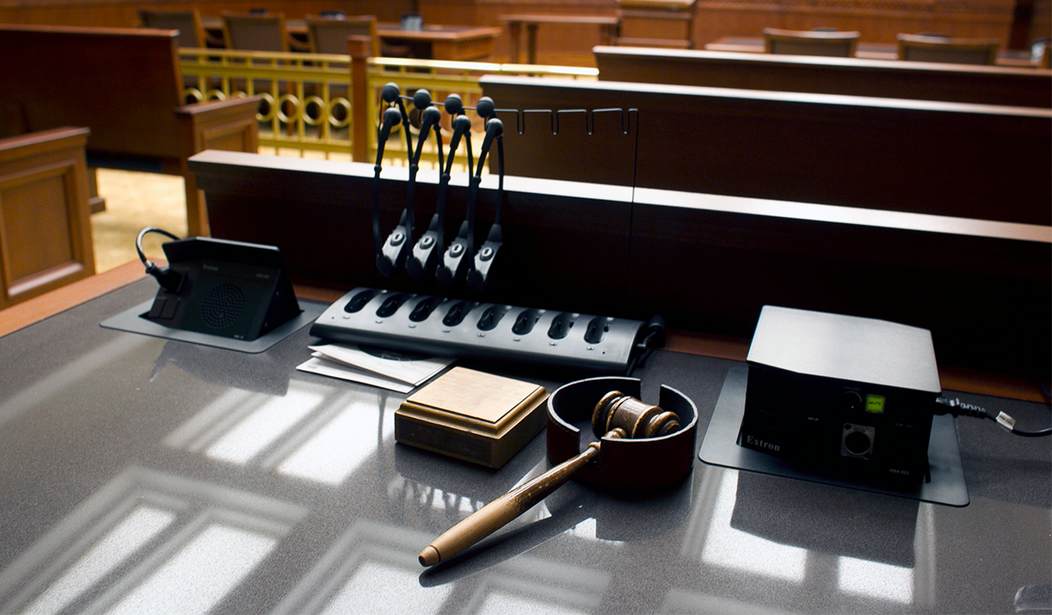
Eleven days ago, I asked what Minnesota's federal judges had been sharing behind closed doors while President Donald Trump's Operation Metro Surge buried their courthouse in immigration cases.
The federal judiciary's own ethics rules also matter. Canon 3 expressly allows judges to consult other judges and court personnel who assist them in carrying out judicial responsibilities. So the mere existence of meetings, emails, or conversations proves very little by itself.
The harder question is what was inside those emails and templates. Administrative forms, scheduling language, and standard procedural orders are ordinary courthouse tools. Shared substantive reasoning about disputed legal questions in separately assigned cases would raise a more complicated issue.
ICYMI: What Exactly Were Minnesota’s Federal Judges Sharing Behind Closed Doors?
I also raised a separate question: Why were sitting federal judges giving extensive public interviews about disputes that were still working their way through the courts?
On Wednesday, the Justice Department turned part of that question into a formal judicial misconduct complaint. The DOJ named U.S. District Judges Patrick Schiltz and John Tunheim, along with unnamed Minnesota district judges, and asked the Judicial Council of the Eighth Circuit to investigate their public remarks concerning immigration cases and Operation Metro Surge.
The complaint says at least seven Minnesota federal judges participated in interviews published September 17. The DOJ focuses particularly on Schiltz and Tunheim and argues that some of their comments crossed from explaining court administration into discussing matters connected to pending litigation. The department also wants judges who participated in the interviews recused from cases involving the Department of Homeland Security.
Federal judicial ethics rules make the dispute more complicated than either side's press release. Canon 3 says judges shouldn't publicly comment on the merits of pending or impending matters. The rule also explicitly allows judges to explain court procedures, while Canon 4 permits them to speak about the law, the legal system, and the administration of judges.
Schiltz says he remained on the permissible side of that line. He pointed to ethics guidance issued in February, saying federal judges may speak and write about core judiciary issues, including judicial independence and the rule of law. His position is straightforward: He believes he was defending the institution rather than commenting improperly on individual cases.
From MPR:
In September, judges in Minnesota told the Times that the Trump administration had a "disregard for court orders" and its actions threatened the rule of law. Two did so on the record.
The judicial misconduct complaint called the judges' conduct "particularly egregious."
Attorney General Todd Blanche called the fact that the judges spoke to the media a "clear violation of their ethical duties" and criticized them for commenting on pending cases. He also asked the judges to recuse themselves from any case involving the Department of Homeland Security, alleging they had bias against the administration.
The DOJ sees things differently. Its complaint argues that Schiltz and Tunheim discussed controversies still before the courts and criticizes comments about the administration's conduct during Metro Surge. It also points to Eighth Circuit reversals of some Minnesota rulings as part of its arguments that the interviews created a reasonable question about impartiality.
My earlier column deliberately stopped short of accusing the judges of misconduct. Federal judges are allowed to consult one another, and the courthouse faced an extraordinary workload. Minnesota received just 12 immigrant-detainee habeas petitions in all of 2024, compared with 1,427 through August 2026. Regular meetings, email discussions, and procedural templates aren't automatically sinister when a court is drowning in similar cases.
The unanswered question was where ordinary court administration ended and substantive coordination began. A second question concerned how far judges could go publicly while related cases remained alive. Eleven days later, the DOJ hasn't answered either question, but it has put the second one before the federal judiciary's formal misconduct process.
The Eighth Circuit may reject the DOJ's interpretation, conclude the judges stayed within the ethics guidance, or determine that particular comments crossed the line.
Whatever happens next, the issue is no longer merely critics wondering aloud about an unusual episode in Minnesota.
There's now a signed complaint sitting before Chief Judge Steven Colloton of the Eighth Circuit asking the judiciary to draw the line itself. For Minnesota's federal judges, the interviews are no longer just something they said about a difficult winter. They are now evidence in an ethics dispute over where judicial independence ends and judicial commentary goes too far.
Stories like this rarely end with the first headline. Eleven days ago, we were asking questions about Minnesota's federal bench. Today, the Justice Department is asking some of the same questions formally. Join PJ Media VIP and help us keep following the receipts after everyone else moves on. Get 60% off with promo code FIGHT.


Join the Conversation
VIP members get the ability to comment on articles.