





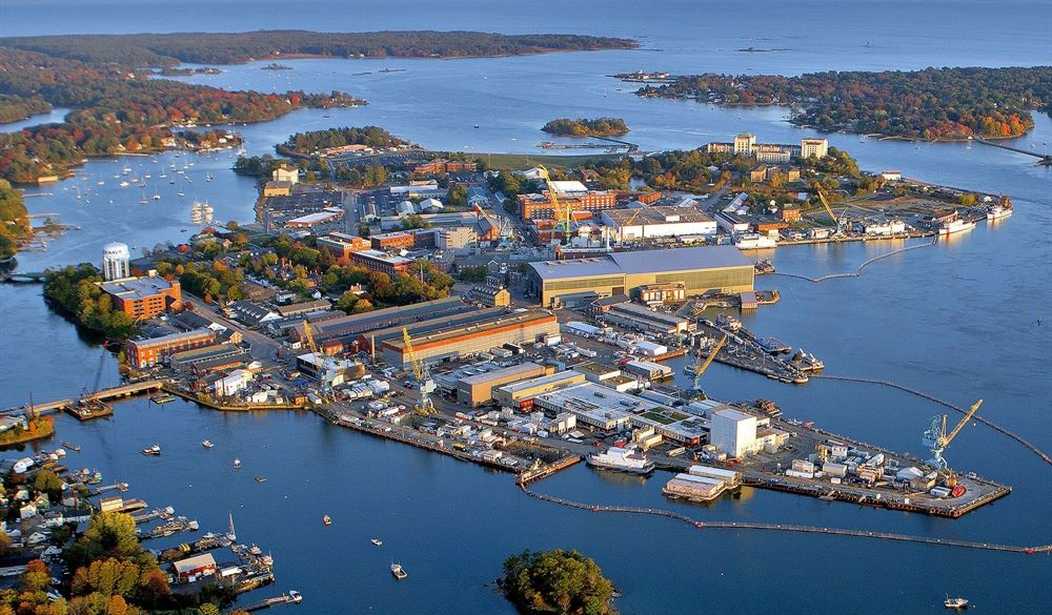
In 2018, the Navy presented a plan to rebuild and modernize its four public shipyards. The estimated cost was at least $21 billion over 20 years. Eight years later, the Government Accountability Office says the project will surpass $200 billion and could take more than 50 additional years to finish. Some work now stretches beyond 2080.
Even the least expensive of the three completed shipyard cost analyses is staggering. Portsmouth Naval Shipyard alone represents roughly $41.6 billion in planned work when costs are projected across the possible construction timeline.
Read More: FAA Knows Aircraft Comms Can Be Spoofed. GAO Says It Still Can't Monitor Them.
Nobody should confuse this with an argument that the shipyards aren't needed. They're vital. Norfolk, Portsmouth, Pearl Harbor, and Puget Sound maintain and modernize America's nuclear-powered aircraft carriers and submarines. The GAO found years ago that shipyard facilities were deteriorating, equipment was aging beyond its useful life, and infrastructure problems were already contributing to maintenance delays.
The issue is how dramatically the job changed.
The Navy found that some work was far more extensive than expected. Seismic improvements grew, utility systems needed upgrades, and additional repairs, transportation work, and infrastructure projects appeared, all while commodity prices rose.
The GAO also found earlier cost estimates didn't adequately account for risk, uncertainty, and how sensitive the estimates were to changing conditions.
The Navy says it has improved those estimating practices.
We'll see. But the bigger problem now sits on the oversight side.
The GAO found that Congress doesn't receive one consolidated, standardized annual report showing the program's total expenditures, current cost estimate, original and revised schedules, performance, major risks, and unexpected future costs.
Congress gets pieces of the story; it receives briefings and reports on portions of the program, and some large individual projects trigger separate reporting requirements. What lawmakers don't get is the same kind of complete annual scorecard routinely used for major defense acquisition programs.
From the GAO:
What GAO Found
The Navy’s Shipyard Infrastructure Optimization Program (SIOP) will surpass $200 billion and take over 50 more years to execute, based on GAO’s analysis of Navy plans. Developing the plans and cost estimates to rebuild the Navy’s four public shipyards has taken the Navy years longer—and will cost much more—than originally anticipated due to multiple challenges and changes involved in the program. For example, environmental issues led to additional projects and more extensive work affecting project plans and costs at the shipyards, including Puget Sound Naval Shipyard.
Recommendations
GAO recommends Congress consider requiring the Navy to annually report consolidated, standardized status updates for SIOP, including total costs, for its duration. GAO is also making three recommendations for the Navy to include future reviews of program requirements and resources in its oversight framework, and to document key SIOP organizations’ roles and responsibilities for managing shipyard projects and risks. The Navy agreed with the recommendations and outlined planned steps to implement them.
The comparison becomes difficult to ignore because the Navy built itself much of the program's oversight framework around the system used for major defense acquisitions. The GAO says SIOP will ultimately cost more than many of those acquisition programs. Yet because the shipyard effort is primarily classified as military construction rather than an official major defense acquisition program, the broader reporting requirements don't automatically apply.
There are management problems inside the program, too. The GAO found that the Navy hasn't fully documented the roles and responsibilities of several organizations managing shipyard projects. Its overarching concept of operations hasn't been updated since October 2022, even though it was supposed to be continually updated.
The GAO wants Congress to consider requiring an annual consolidated report covering costs, schedules, performance, and risk. It also recommended that the Navy periodically reassess whether the enormous program remains affordable, sustainable, and aligned with future fleet needs. The Navy agreed with the GAO's recommendations.
A $21 billion estimate becoming a project north of $200 billion demands context, because much of the increase reflects real work that wasn't understood or included eight years ago. But the size of the bill makes the information gap more consequential, not less.
Congress is already paying for the rebuilding of America's naval shipyards. The GAO's warning is that lawmakers still don't receive one complete annual picture showing what taxpayers have bought, what remains to be done, what it costs, and where the biggest risks are hiding.
If a $21 billion government project becoming a $200 billion project gets your attention, you're exactly why we need readers who support independent conservative journalism. Join PJ Media VIP today and get 60% off with promo code FIGHT.



Join the Conversation
VIP members get the ability to comment on articles.