





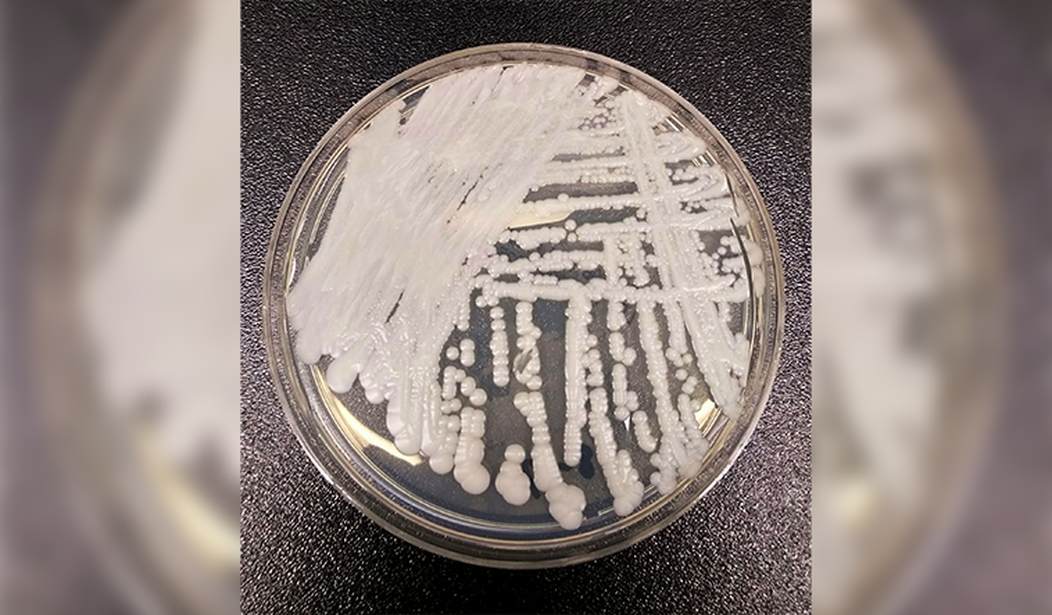
For years, doctors have warned us that microbes can learn to survive the drugs created to kill them. Candida auris is giving Americans a troubling look at what happens when those warnings become a reality.
The latest provisional federal data show 3,544 clinical cases of C. auris across 27 states through Aug. 1. California leads with 887 cases, followed by Texas with 437 and Tennessee with 293. Wisconsin has recorded four.
The fungus, which can survive on surfaces for prolonged periods, is "highly transmissible between patients through contact with contaminated surfaces or objects," the CDC states. It can spread through contaminated items such as bedrails, doorknobs and shared medical equipment.
C. auris can also be spread by people who carry the fungus but do not show symptoms, known as "colonization."
Clinical cases do not necessarily represent infections. The CDC defines a clinical case as detection of C. auris in a specimen collected during the normal course of medical care.
Some clinical specimens can come from sites where the presence of C. auris may represent colonization rather than a true infection.
The health effects of the fungus can range from colonization without symptoms to potentially deadly invasive infections, including bloodstream infections.
Those most at risk of infection include patients with severe underlying medical conditions. In particular, those who use breathing tubes, feeding tubes, IVs or catheters are more vulnerable, as are those who are hospitalized frequently or for long periods of time.
The 2026 total is actually below the 4,262 cases reported at the same point last year, so there's no reason for panic.
But there's plenty of reason to pay attention.
C. auris is a yeast, a type of fungus, and it thrives where vulnerable people receive medical care.
From the CDC:
Candida auris (C. auris) also known as Candidozyma auris is a type of yeast that can cause severe illness and spread easily among very sick patients in healthcare facilities. C. auris can cause a range of infections from superficial (skin) infections to more severe, life-threatening infections, such as bloodstream infections.
C. auris is often resistant to antifungal medications, meaning the fungus develops the ability to defeat the drugs designed to kill it. That means the germs are not killed and continue to grow. Resistant infections can be difficult, and sometimes impossible, to treat.
How it spreads
Patients who are infected and patients who are colonized with C. auris often spread it onto surfaces and objects in healthcare settings like bedrails, doorknobs, and blood pressure cuffs. C. auris can survive on surfaces and objects for a long time and spread to other patients who can then become sick.
C. auris usually remains on a patient's skin or body sites for a long time, whether or not they ever have symptoms, and they continue to be capable of spreading C. Auris during this entire time.
Patients with breathing tubes, feeding tubes, central lines, urinary catheters, serious underlying illnesses, or frequent and lengthy hospital stays face the greatest risk. Healthy people generally aren't considered at significant risk.
Some patients carry C. auris on their skin or elsewhere without becoming sick, but they can still spread it. The fungus can remain on surfaces for weeks, moving through hospital rooms on equipment and objects.
Once it enters the bloodstream or other parts of the body, the infection can become life-threatening.
Here's where decades of warnings about drug resistance become uncomfortable.
We usually hear about antibiotic resistance, which involves bacteria surviving antibiotics. Fungi require antifungal drugs, but the biological problem is familiar: medications stop working against organisms they once controlled.
Antimicrobial resistance is the larger term covering resistant bacteria, fungi, parasites, and other microbes. More than 2.8 million antimicrobial-resistant infections occur in the U.S. each year.
From the CDC:
- AR is an urgent global public health threat, killing at least 1.27 million people worldwide and associated with nearly 5 million deaths in 2019, according to a report released in The Lancet.2
- In the U.S., more than 2.8 million antimicrobial-resistant infections occur each year. More than 35,000 people die as a result, according to CDC's 2019 AR Threats Report.3
- When C. diff—a bacterium that is not typically resistant but can cause deadly diarrhea and is associated with antibiotic use—is added, the U.S. toll of all the threats in the AR Threats Report exceeds 3 million infections and 48,000 deaths.
- The estimated national cost to treat infections caused by six antimicrobial-resistant germs frequently found in health care can be substantial—more than $4.6 billion annually, according to a collaborative CDC study.4
Tracking AR
CDC uses several data sources and systems to track AR in the U.S. and abroad. Knowing where and how changes in resistance are occurring informs solutions (e.g., outbreak response) to prevent spread and slow resistance.
CDC collects data through many tracking systems and uses external sources, like electronic health data, to assess the burden of antimicrobial-resistant germs. Data often include information on human infections, pathogens (germs) and reasons or risk factors that cause some people to get a resistant infection. CDC also works with partners to strengthen information-sharing, address data gaps and harmonize how data are reported across the U.S. and other countries.
The following systems complement each other to provide a comprehensive understanding of known and emerging AR threats.
I don't need much convincing about what a drug-resistant infection can do.
In 2016, I developed a staph infection that became MRSA and then sepsis. The fever climbed so high that it contributed to a stroke. I spent a week in the hospital, much of it lost to a fog I still can't fully reconstruct.
The timing was almost comically cruel for a baseball fanatic. It happened during Game 6 of the World Series between the Chicago Cubs and Cleveland Indians, two franchises carrying decades of heartbreak into one historic series.
I remember almost none of the game.
I remember the chills; my teeth were literally chattering. I remember a spinal tap. I remember nurses covering me in ice to bring my temperature down, and strangely, I remember giving one of my daughters directions to the hospital because she didn't know the back route.
I was barely aware of what was happening around me, but somehow I still knew how to get there.
Doctors never found the source of the infection. I went home with a PICC line and powerful IV antibiotics delivered from a small medication ball I carried with me.
Recovery took a long time.
Between the sepsis and the stroke, I came frighteningly close to not coming home at all.
So when doctors warn about organisms that can survive the drugs we depend on, I don't hear an abstract medical warning. I remember ice, a hospital bed, a PICC line, and a World Series I barely saw.
C. auris has earned its reputation. A federal laboratory network tested 8,033 clinical isolates collected during 2022 and 2023. An astonishing 95% were resistant to fluconazole, 15% resisted amphotericin B, and 1% resisted echinocandins.
Echinocandins remain the preferred first treatment for most infections, which makes growing resistance to them especially troubling.
Some strains have become resistant to all three major classes of antifungal drugs. Federal health officials now report increasing cases involving echinocandin resistance or resistance across all three classes.
C. auris remains listed among the nation's urgent antimicrobial-resistant threats.
Hospitals aren't helpless. Hand hygiene, aggressive screening, proper use of antibiotics and antifungals, isolation precautions, and thorough disinfection can slow transmission.
Those measures become more important because colonized patients may carry the fungus for long periods without knowing it.
C. auris doesn't warrant another public health panic; it warrants respect.
Modern medicine has given us drugs capable of defeating infections that once routinely killed people. Microbes haven't stopped changing because we became accustomed to winning.
Candida auris is one more warning that our medicines are valuable precisely because nature keeps finding ways around them.
Help us keep digging into the stories that deserve more than a frightening headline. Join PJ Media VIP today and get 60% off with promo code FIGHT.



Join the Conversation
VIP members get the ability to comment on articles.