





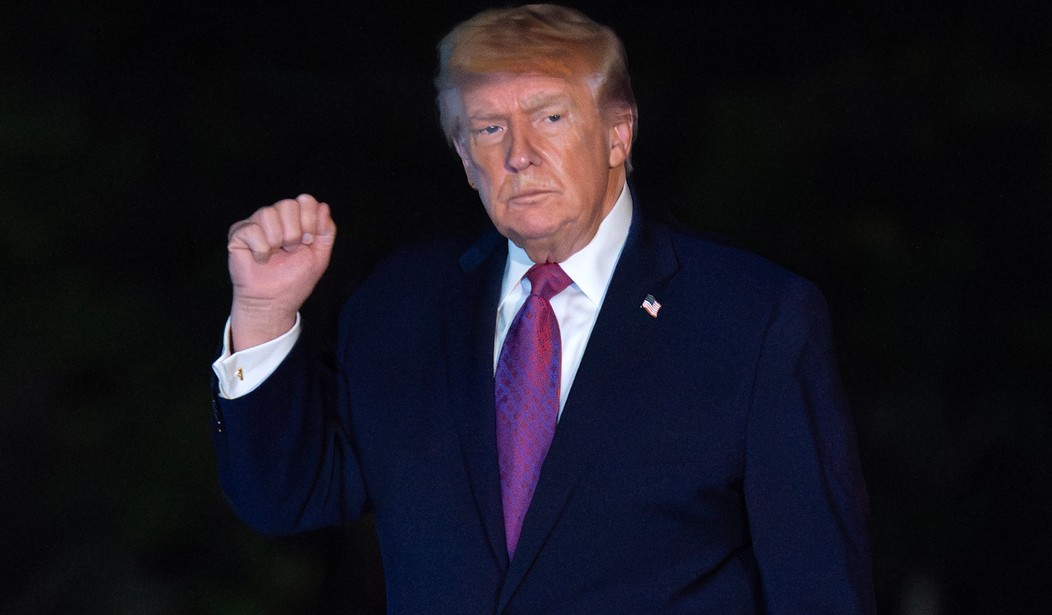
President Donald Trump extended the ceasefire with Iran as the original two-week truce neared its end. He made the decision after a request from Pakistani officials while he waits for a unified proposal from Tehran.
U.S. President Donald Trump said Tuesday he is extending the ceasefire with Iran at Pakistan’s request while awaiting a “unified proposal” from Tehran, even as the U.S. military maintains its blockade of Iranian ports. The move comes as the White House put on hold Vice President JD Vance’s planned trip to Pakistan for a second round of truce talks with Iran, which has balked at further discussions.
The extension keeps negotiations alive and avoids further loss of life on both sides.
Trump made clear that the United States will maintain its blockade of Iranian ports, stating that the military remains ready to act if Iran rejects a fair agreement. The extension doesn't signal weakness; it reflects a deliberate choice to keep pressure in place while giving negotiations time to produce results. Trump explained that the pause allows a path toward a lasting resolution without immediate resolution.
Iranian leaders rejected earlier ceasefire terms and demanded permanent guarantees. Foreign Minister Abbas Araghchi leads that response and continues to push for concessions that favor Tehran. Iran has also warned of a swift reaction to any new U.S. action. Trump declined to rush into additional conflict, using the extension to force Iran to decide between continued resistance and meaningful negotiation.
U.S. Ambassador to the United Nations Mike Waltz addressed Iran's claim that it controls the Strait of Hormuz, rejecting that position and stating that no country holds exclusive authority over that waterway.
Waltz said, “Well, you saw real confusion on the Iranian’s part. I think that shows the discord within their ranks after devastating attacks on their leadership. The foreign minister says it’s open, the IRGC says that it’s closed. Regardless, it’s the U.S. Navy and President Trump as the commander in chief that decides what ultimately comes in and comes out, and I think the bigger picture here is that the Iranian regime cannot hold the entire world’s economy hostage. They cannot mete out collective punishment because of a dispute over its nuclear program. It’s something that will not stand. It’s something in the United Nations that record 135 countries joined us and joined our gulf Arab allies in condemning including Iran’s attacks on ports, airport, roads, bridges, hotels, you name it. Even civilian neighborhoods with their drones and with their missiles. So Iran is increasingly isolated diplomatically. It’s struggling economically with its currency and foreign currency reserves tanking and at the end of the day they do not have the cards and they’re coming back to the table for a deal.”
He added, “The Strait of Hormuz is an international waterway unlike what the Iranians are trying to claim. They moved the goalpost and they’re claiming it is a waterway of theirs which is a violation of international law. Ultimately it’s the U.S. navy and President Trump that decides what comes in and what comes out.”
Waltz emphasized that international law supports open navigation through the strait and that the United States will defend that principle. Trump supports that position while extending the ceasefire to pursue a broader agreement.
U.S. naval forces demonstrated that position days earlier when they disabled an Iranian-flagged cargo vessel in the Strait of Hormuz after it ignored warnings. That action showed the United States will respond when its forces identify a threat. President Trump extended the ceasefire after that show of force, keeping leverage intact while reducing the risk of further escalation.
Anti-Trumpers will label this extension as hesitation, an interpretation that ignores the sequence of events. The United States struck Iranian assets earlier in Operation Epic Fury, significantly reducing their operational capability.
President Trump now uses the ceasefire to push Iran toward a position where negotiation becomes the only viable option. The strategy combines pressure with restraint instead of relying on continuous escalation.
President Trump continues to shape the situation on his terms; holding the blockade in place maintains military readiness and gives Iran a defined window to respond. Iran faces internal pressure from economic strain and military losses. The ceasefire extension shifts the burden onto Tehran to produce a credible proposal.
The decision reflects a broader approach to foreign policy, where Trump acts when necessary and pauses when it serves a clear objective. He keeps the focus on protecting American interests while limiting unnecessary loss of life. The ceasefire extension demonstrates control over both timing and outcome.
President Donald Trump hasn't stepped back; he's set the conditions and now waits for Iran to respond. The extension keeps the United States in a position of strength while offering a final opportunity for resolution.
If you’re tired of watching serious foreign policy decisions get misread or spun into something they aren’t, PJ Media VIP cuts through the noise and lays out what’s actually happening. You get direct analysis, real context, and a clear look at the strategy behind the headlines.
Join today and take 60% off with promo code FIGHT.
Join the Conversation
VIP members get the ability to comment on articles.