The Water War Few Are Watching
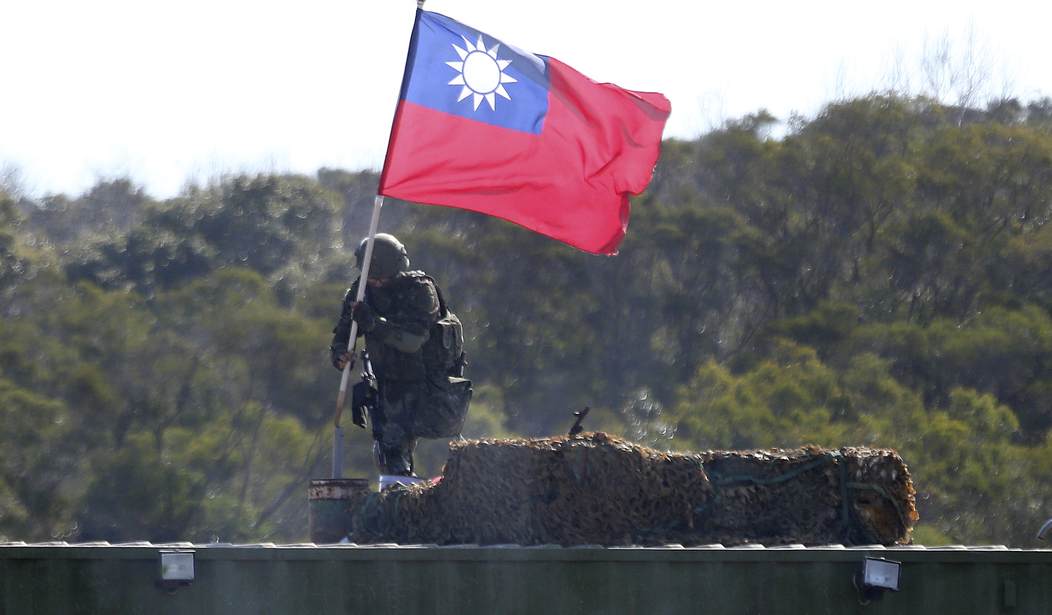
Just off Taiwan’s western shore, where the sea is narrow enough to taste the salt of the mainland, a quiet siege has begun. Chinese massive and steel-hulled coast-guard cutters now roam so close to Taiwan’s outlying islands that their wakes slap against the breakwaters of the Kinmen Islands.
The locals hear horns before dawn, white hulls with red stripes, and Mandarin warnings over loudspeakers that they are in Chinese waters.
It's a diplomatic gray area: not a war, but not peace either, applying the kind of pressure that wears down the edges of sovereignty.
Beijing's campaign right now isn't using missiles or tanks — just presence, persistence, and intimidation's slow grind.
Patrol Boats as Symbols of Survival
Taiwan's new frontline army has become its coast guard. Instead of battle tanks, it deploys 100-ton patrol craft; instead of artillery, it uses searchlights and loudhailers.
By contrast, the Chinese use 1,000-ton cutters bristling with electronic surveillance gear, drone support, and marines riding shotgun.
The contest isn't equal, but that's never been Beijing's goal.
Taiwan's tripwires have been the Kinmen and Matsu islands, providing clear reminders of how thin the island nation's shield really is. Representing a live-fire experiment in what's been called "gray-zone warfare" lives a variation of coercion below the threshold of open conflict that's designed to normalize the unacceptable. Each incursion tests how far Taiwan bends before it breaks.
Echoes from 1949
Kinmen's beaches haven't mattered this much since October 1949, when the newly formed People's Republic of China launched an amphibious assault on the islands and was stopped cold in the Battle of Giningtou.
That fight kept the Chinese mainland from reaching Taiwan proper, cementing Kinmen's reputation as the rock that saved a democracy in exile.
The scene is repeating itself 76 years later, but with different weapons and identical intent. Operating under military command, China's coast guard is seeking to reclaim by patrol what it's failed to seize by force. It's new gray paint, but an ancient goal: erase the line between intimidation and legitimacy.
Beijing’s Lawfare Offensive
Replacing bullets with bureaucrats, Beijing's playbook is to claim its coast guard is only enforcing "domestic maritime law," but those are laws extending across the entire Taiwan Strait, all 100 miles of international water.
Chinese officers are now boarding fishing vessels, inspecting cargo, and warning civilians under the pretense of law enforcement.
Taipei knows what's at stake: a law enforced by the wrong government becomes a quiet occupation.
After being sworn in this spring, Lai Ching-te has doubled coast guard funding and ordered new high-speed interceptors. But for each Taiwanese patrol that launches, Beijing sends five, a deliberate imbalance that creates a rhythm of harassment, in an attempt to normalize fear.
The Human Side of the Frontline
There's a strange rhythm in the lives of Kinmen's fishermen, who haul up nets within eyesight of China's Xiamen skyline, all the time under the gaze of cameras and radar.
After a Chinese boat capsized during a chase last year, which killed two crewmen, it provided Beijing a chance to use the tragedy as leverage, where it started to demand apologies, staging patrols to "protect its citizens," by sending even more ships into forbidden waters.
Captain Huang Heng-chun of the Taiwan Coast Guard told reporters that there's a laughably uneven balance of power; his cutters weigh a tenth as much as their Chinese counterparts. "We are no match for them in size," he said, "but we must hold our line," a statement that belongs in any era where small nations face the ambitions of larger neighbors.
History Repeats, But the Audience has Changed
In the 1950s, Taiwan’s defenders could count on America’s Seventh Fleet nearby, a constant reminder to Mao that escalation would mean catastrophe.
Today, the U.S. Navy still cruises those waters, but with an expanding audience. Beijing performs its maritime theater not just for Taiwan, but for the world; each patrol sends a message to neighbors from Manila to Tokyo: the Chinese Communist Party now sees the sea itself as negotiable.
The old playbook of artillery duels has given way to a subtler war of optics, and Taiwan’s tiny patrol boats are the last barrier to rewriting the map by custom.
Lessons from the Past
After the guns of Guningtou fell silent, Taiwan learned that freedom could survive proximity to tyranny, but only if it stayed vigilant.
History has ways of rewarding those who refuse to yield to fatigue; the men who fought for Kinmen in 1949 faced cannon fire. Men fighting in Kinmen in 1949 faced cannon fire, while today's coast guard faces political theater; both generations risk their lives for the same principle that sovereignty doesn't yield to repetition.
It's a deep-running parallel: a single beachhead once determined Taiwan's fate; a single patrol might do so again.
Final Thoughts
Throughout history, empires rarely return with drums and banners; they arrive disguised as "routine patrols." An amphibious armada isn't the danger facing Taiwan; it's a daily drip of normalization that tells the world to stop caring.
Today's frontline is a foggy strait, where each radio warning echoes an older promise: free nations can't sleep through their own sieges.