





There’s a certain impulse in the news business to want to be the first to publish a story. Take the recent Supreme Court decisions, for example. Here at PJ Media, we had writers ready with the requisite background information for the cases, so all they had to do was put in the relevant breaking news to have an article ready to go. As a result, we had breaking news pieces written quickly — and accurately.
Nearly a decade ago, I wrote about how the media were so eager to be the first to report about Tom Petty’s death that CBS reported it nearly eight hours before he passed away:
The problem with the Tom Petty story demonstrates one of the biggest issues with the 24-hour news cycle. And I’m not talking about those endless celebrity death hoaxes or repeated obituaries, either. (How many times has Andy Griffith died, based on the number of times his actual 2012 passing pops up on Facebook as new information?)
In the race to be first with a breaking story, accuracy often comes second. Nearly every day we see media outlets breathlessly reporting something new only to have to walk it back later. Other news channels and websites break a scoop with little or no credibility.
Often the damage is done before a journalist, website, or publication can issue a correction. A big story can generate retweets and clicks, but more often than not, the correction doesn’t create the same buzz that the original false or sloppy story does.
Flashback: Tom Petty and the 24-Hour News Cycle's Terrible, Horrible, No Good, Very Bad Day
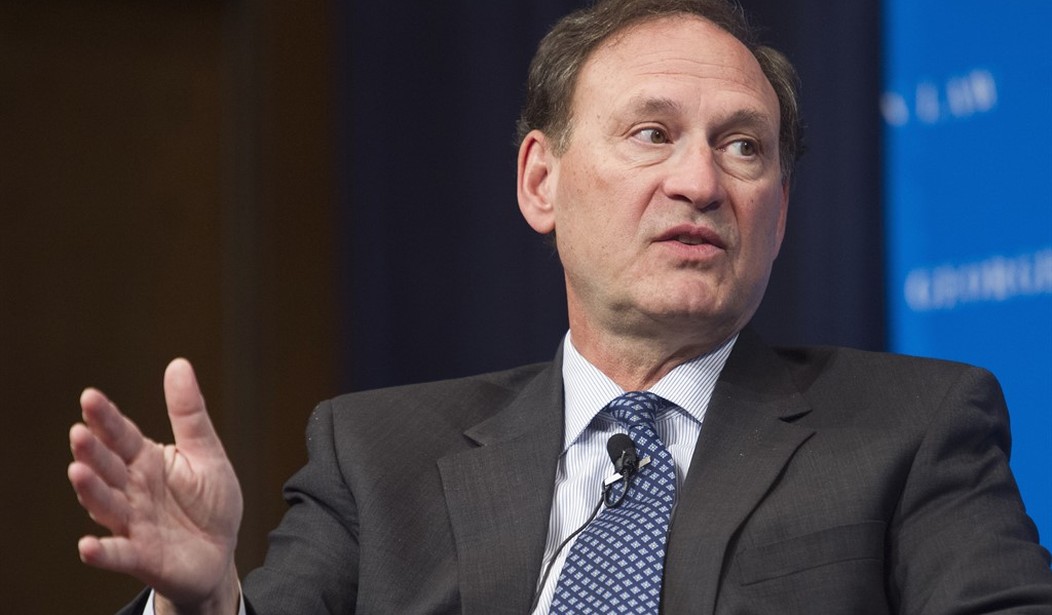
On Tuesday, following the last of the Supreme Court decisions, NPR played the CBS card and jumped the gun on a scoop. It posted and then quickly unposted a story that Justice Samuel Alito was announcing his retirement.
Oh boy. NPR reported that Justice Alito was retiring, then retracted it 10 minutes later, saying it was “published in error.” pic.twitter.com/ljqd9udn9a
— Bill Melugin (@BillMelugin_) June 30, 2026
The headline on the article now simply reads, "Editor's note: NPR retracts Justice Samuel Alito story.” The text reads, “Editor's note: Earlier today, we erroneously published a story saying that Supreme Court Justice Samuel Alito was retiring. Neither Alito nor the court's public information office has announced his retirement, and we have retracted the story.”
D’oh!
Because the internet is forever, the receipts are in. My Townhall colleague Joe Chalfant got some screenshots:
Here is the full article announcing Justice Samuel Alito’s retirement, which @NPR quickly retracted: pic.twitter.com/vkPhxdxBvX
— Joe Chalfant (@JoeChalfant) June 30, 2026
— Joe Chalfant (@JoeChalfant) June 30, 2026
Here’s the thing: Maybe Alito is announcing his retirement soon. Maybe the rumors are true — eventually. It could be that veteran reporter Nina Totenberg had a prewrite ready, and she or someone else jumped the gun and published it.
The rush to be first with a breaking news story is fine, as long as the story is accurate. NPR may have had a future scoop ready to go, and that's all well and good. But instead, the outlet wound up with a retraction and egg all over its face.
At PJ Media, we want to be first with the news — but we try even harder to be right.
That means getting the facts, checking the details, and resisting the urge to hit publish just because everybody else is sprinting toward the end zone with the ball tucked under the wrong arm.
PJ Media VIP helps make that kind of independent reporting possible. Join today and get 60% off an annual VIP membership with the promo code FIGHT.
You’ll get ad-free reading, exclusive columns, podcasts, comments, and the ability to support writers who still believe accuracy matters more than being first by three minutes.


Join the Conversation
VIP members get the ability to comment on articles.