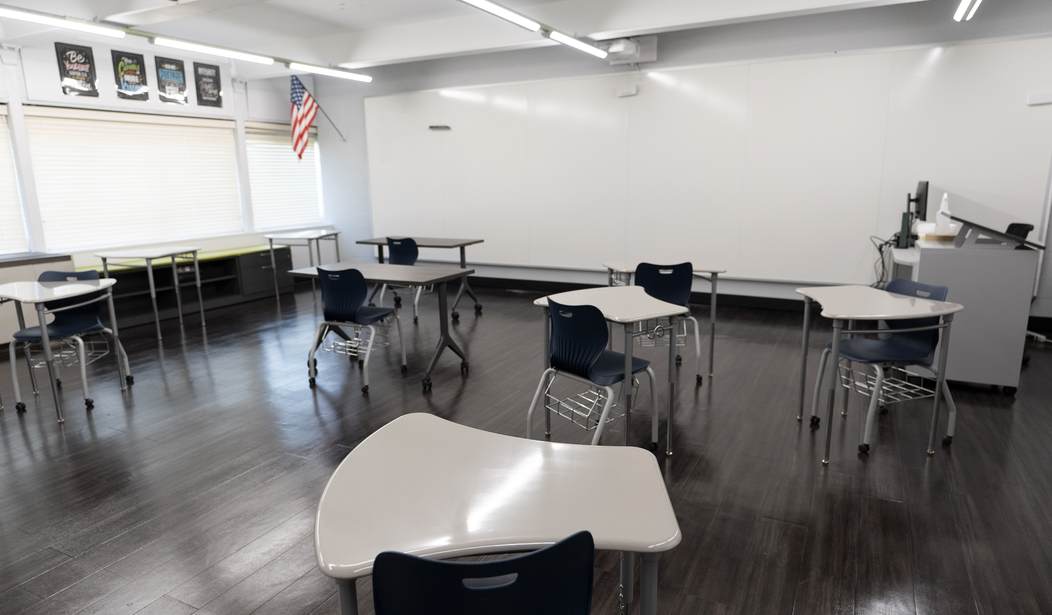
College students apparently do not have the patience to sit down and finish feature-length films, as per this College Fix article. They may become antsy waiting for the movie to be over and play on their phones if they are bored during the film. The College Fix article argues that excessive phone use causes this short attention span, but did not mention the academic hindrances to a student not sitting through a feature film.
Students who cannot sit through full-length movies have an obstacle to academic success. Fellow students in a variety of disciplines (English Comp, history, etc), not just film majors, occasionally watch these movies as class assignments, and they need to have seen the movies in order to complete their homework (frequently analysis essays and questions), as well as to obtain high grades. Class activities will usually build up on one another. The students will be in a tight spot when they attain poor grades and need higher-quality work for a cumulative final project.
Having ignored the movie showing in class, the students wallow in confusion while poring over the day's homework. In some cases, they will run from their problems and procrastinate on homework. Naturally, this results in failing grades and negative feedback.
Movies typically shown in class will be perfect material for discussing role models and engaging in critical thinking, analysis and many complex themes. This is why typical class-worthy movies are deep films (i.e. films noir) or historical documentaries/re-enactments. For instance, film noir class assignments could include The Maltese Falcon (Warner Bros., starring Humphrey Bogart as Sam Spade) and Double Indemnity (Universal, starring Fred MacMurray as Walter Neff). Films in the vein of Double Indemnity and The Maltese Falcon are vehicles through which to convey the dangers of discontent and materialism. Movies can also be used to showcase rich, logical good vs. evil themes, as in the no-nonsense Sam Spade not believing Brigid/Miss Wonderly's lies, finding her suspect from the first meeting, following the evidence relating to the Maltese Falcon, and consequently running a sting operation to expose her scheme to sell a counterfeit Maltese Falcon as if it were the real thing. Historical documentaries, as well as films re-enacting actual history, supplement learning about older time periods, i.e. World War II and the Civil War. The Patton movie (20th Century Fox, starring George C. Scott playing General George Patton) is a fine example of grit (especially his confident, ambitious speech in the opening credits) and representative of an important figure widely considered a role model in World War II.
Related: Enter Amelia: Characters as Conservative Symbols or Reaction Images
Movies are also representative of professional art. Double Indemnity is an experiment in visual art and storytelling. Techniques used in this film include light, shadows, perspective, patterns, and negative space, attaching deeper meanings to Walter Neff and his world. The film often puts Walter and Phyllis in dark backgrounds with few light sources. Often, there is only one light source per scene. While the characters themselves almost blend in with the dark background, an object such as a candle, lamp, headlights, or a window will provide light. In the street, Walter is sometimes paired with street lights functioning as bokeh. The stair railing at the insurance office is a pattern of squares within squares, suggesting the "man vs. self" dualism between good vs. evil that was driving the plot. In an older movie, the student may be exposed to a design role model to inspire his or her own creativity and artistic style, and has a chance to discuss the idea of art as symbolism.
Checking one's phone obsessively during a class movie screening might be related to the many news reports of students who have trouble reading classic novels in their entirety, or advanced sentences from older historical eras. They have in common the motif of starting something that requires careful attention and prioritization, yet not finishing it. To flow and keep abreast of the world, students must be critical thinkers and proficient in analyzing nuanced themes and information. Students should also finish projects they promised to take on and follow evidence to solve a workplace problem. Accurate work, steady commitments to workplace tasks, and attention to detail are built from not just finishing assignments, but finishing them well, and fine-tuning the process for different class requirements. In the real world, professional writing is built from utilizing and improving the careful synthesis and research from the academic essay-writing process again and again.
Learn new perspectives on current events and unlock the PJ Media VIP subscription: VIP - Subscribe – PJ Media.