





Last week was apparently "National Invasive Species Awareness Week." (I'm sorry I didn't get any of you a gift.)
To commemorate the occasion, the U.S. Fish and Wildlife Service urged Americans to eat more invasive wildlife.
National Invasive Species Awareness Week (Feb. 24-28, 2025) is here to remind us that some of the biggest ecological nightmares are critters that don’t belong here. Invasive species outcompete native wildlife, destroy habitats, and mess up ecosystems. But rather than just complaining about them, let’s put them on the menu.
Eating invasive species can help protect native wildlife by reducing their numbers and limiting the damage they cause to ecosystems. However, it’s not a complete solution and should be combined with other conservation efforts to effectively control these species. With that said, here are five invasive species causing trouble in the U.S. that also happen to be downright delicious:
Sounds like a plan. I'm all for firing up the grill and enjoying some delicious barbecue — meat or protein or whatever we're calling it these days is my favorite food group after all — but when I took a closer look at the list, I changed my mind a little. Maybe they'll sound tastier to you.
Nutria
The first item on the list is the nutria. To be honest, I didn't think we'd start with a large rodent, but here we are. I once spent an hour or so in a pool in Costa Rica watching these little critters poke around in the garbage behind the house I was renting, and I thought they were pretty cute. Apparently, they're native to South America, but fur farmers introduced them to North America, and they've been wreaking havoc on our marshes, swamplands, and other coastal regions ever since. The Fish and Wildlife Service says, "Their meat is lean, mild, and tastes like rabbit." I think I'll pass.
EAT ME! Please? I'm invasive and delicious.
— U.S. Fish and Wildlife Service (@USFWS) February 24, 2025
It's National Invasive Species Awareness Week and this year, please consider the following slogan "Save a Swamp, Sauté a Nutria." pic.twitter.com/3VAHmkYCwg
Northern Snakehead
I'm not a big seafood fan, but even if I were, I can't imagine putting this on my plate, especially when the Fish and Wildlife Service says, "Just make sure they don’t bite you first." Noted. Apparently, this ugly little creature can literally just climb on out of the water and crawl to its next destination. They're native to North and South Korea, China, and Russia, and they're considered a major food source there. Somehow, they got brought to the United States, and in 2022, one was caught in a pond in Maryland. Since then, they've been found in various areas along the Atlantic coast, including the Potomac River and throughout the Chesapeake Bay watershed.
In case you're still wondering, the Fish and Wildlife Service says the meat is "firm, white, and flaky" and makes good fish tacos.
One of our lurking freshwater monsters, the Northern Snakehead, is an invasive species that can crawl out of the water and travel to the next waterway... https://t.co/qRelc0evp4 pic.twitter.com/9lDF8M6rhv
— U.S. Fish and Wildlife Service (@USFWS) October 29, 2018
Invasive Carp
Next on the list are four species of invasive carp: Bighead, Silver, Black, and Grass. While they're native to East Asia, they're apparently "clogging U.S. waterways" in the Midwest and Southeast and have been since the 1970s. Not only are they taking their toll on local wildlife, but they're causing economic problems for people who rely on fishing, boating, and waterfowl hunting. Apparently, they're pretty tasty, though, and the Fish and Wildlife Service suggests trying them "grilled, blackened, or turned into crispy fish cakes."
Our Oklahomie, Bryan Baker, caught this HUGE invasive bighead carp from Grand Lake that weighed a whole 118 pounds and 3 ounces. CAN YOU BELIEVE THE SIZE OF THIS THING?!?!?!?! pic.twitter.com/Xe62sJInnH
— Oklahoma Department of Wildlife Conservation (@OKWildlifeDept) May 15, 2023
Green Iguana
I might try the fried carp, but no way am I eating an iguana. I've spent a lot of time watching these guys in Florida, where they are not supposed to live, and also in Central America, where they are supposed to live. Never have I ever thought they looked tasty enough to eat. Evidently, they've been "eating Florida’s native plants and destabilizing seawalls" since the 1960s. The Fish and Wildlife Service suggests cooking up an iguana stew and says their meat is often called the "chicken of the trees" because it's so mild.
I photographed this Green Iguana in Key West, Florida. This highly invasive species was first documented in #Florida in the 1960s and their population has exploded, posing a threat to native and endangered species. #Nature #Wildlife #Canonfavpic #BBCWildlifePOTD #EarthCapture pic.twitter.com/lcNzj0TfnO
— Shay Nicole 🚀 (@ShayNicolePhoto) December 13, 2022
Wild Boar
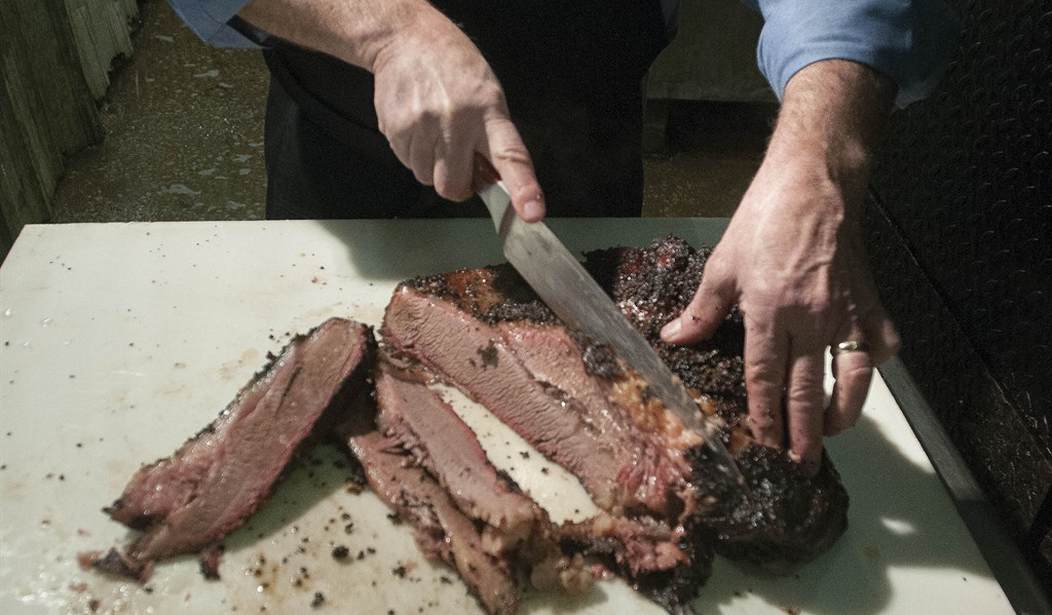
Last but not least is the wild boar. I'm not opposed to eating this, but only if someone else wants to hunt it, slaughter it, and cook it up for me. The Fish and Wildlife Service says it's "leaner and richer in flavor than store-bought pork" and that "wild boar works in everything from smoked barbecue to hearty chili." It also suggests that you "grind it for burgers, braise it for tacos, or go full gourmet with wild boar ragu over pasta." Gosh, that's making me hungry just typing it out.
They're apparently a "full-blown ecological disaster" that destroys everything from farmland to forests. Wild boar are especially prevalent in the Southeast, Texas, and California, and many states actually ask hunters to lower the population and have for years. My mom grew up in Florida, and I remember her telling me a story of going out to get their clothes off the line and a big wild boar—bigger than any cow she'd seen—was napping in the yard. That does sound like some good eating.
SPECIES SPOTLIGHT | "Wild Pigs" is a catch-all term for any pig that is "outside of a fence" including domestic pigs, Eurasian wild boar, and hybrid species. They are also one of the most invasive terrestrial mammals worldwide. Quick facts... pic.twitter.com/KmrLQZSpkZ
— Invasive Species Ctr (@InvSp) June 10, 2024
Would you eat everything on the list? It's your civic duty, after all.
Programming note: Join us tomorrow for a rip-roaring live blog during President Trump's address to a joint session of Congress. All your favorite PJ Media personalities will be there with expert commentary, snark, and the funniest hot takes in conservative media. We launch at 8:45 p.m. ET. There's still time to sign up to be a VIP member so you can participate in our excellent, troll-free comments section. Our basic VIP plan starts at $1.63 per month when you use this link. A 60% discount will be applied at checkout.



Join the Conversation
VIP members get the ability to comment on articles.