
There’s a movement within Catholicism and broader Christianity aimed at helping men reclaim their masculinity, and given the fact we now live in a society that encourages men to chop off their genitals and prance around in dresses like they just won Pretty, Pretty Princess, this sort of movement has become an absolute necessity.
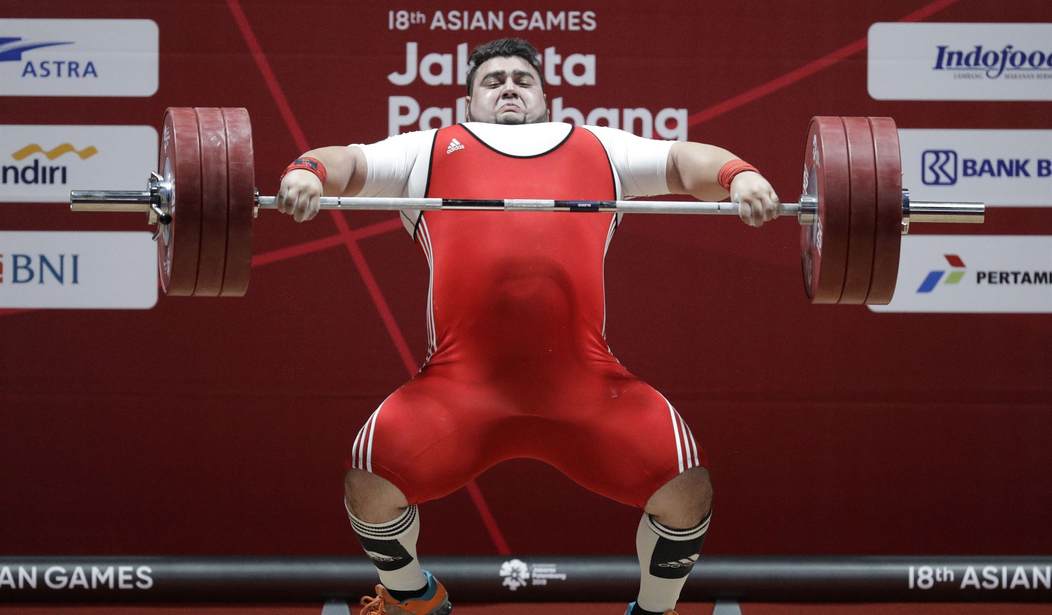
A huge part of that movement encourages men to get their soft, flabby, feminine bodies off the couch and do hard things, like exercise, martial arts training, and especially lifting weights. All of these activities are essential for good health in men and women, but men especially need physical activity because it increases testosterone. Higher testosterone levels increase energy, improve mood, and boost sex drive. This hormone gives men the edge they need to fulfill God’s command to take dominion of the world in His name.
However, as with all things in the physical world, exercise also carries a spiritual component that many people often leave out of the conversation, and it needs to be addressed. Being physically fit and having biceps big enough to crack a walnut in the crook of your arm isn’t about scoring hot chicks or lifting the butt end of an elephant. It also plays a significant role in spiritual formation.
God commands His children to master their emotions, passions, and appetites. When they fail to do this, they enslave themselves to sin and ultimately risk losing their salvation, all for the sake of fleeting pleasures that never truly satisfy the soul. We accomplish this through acts of mortification—physical actions that teach us how to discipline ourselves spiritually and emotionally.
One of the most common acts of mortification that nearly every Christian recognizes is fasting. Foregoing a meal, skipping food altogether for a day, passing on dessert, or refusing to season your food can all serve as acts of mortification. You deny yourself a fleshly pleasure for God’s glory and to learn self-control. These are good gifts from God, not bad or sinful things. That reality is precisely what makes fasting a sacrifice.
Exercise can also serve as an act of mortification, especially when you offer your workout to God for specific prayer intentions. Doing so transforms your workout into a prayer to the Lord. So while you pump iron or throw jabs on the bag, you actively engage in prayer. Yes, exercise benefits your body and therefore stands as a gift from the Lord. The sacrifice lies in the hard work, sweat, time, and effort required to do it—and to keep doing it consistently.
Finding time to exercise in modern life proves pretty dang hard. Smartphones constantly beckon us to waste significant chunks of our lives scrolling through TikTok videos like hamsters hitting the feeder bar. When you force yourself to carve out time to work out, you deny yourself other, easier, more enjoyable activities in order to do something better for your health.
If you regularly make time to work out and develop the discipline to exercise several times a week, you can transfer that same principle to carving out daily time for Bible reading, prayer, the rosary, and especially Mass. Instead of playing three hours of video games, you play two and spend one exercising your body. Feeling tempted to look at porn or engage in acts of self-abuse? Because you have denied yourself repeatedly in order to discipline your physical flesh, you now possess a stronger will and a greater ability to control your appetites. You feel confident in your ability to resist temptation and to spend that time in prayer or service to others instead of serving yourself.
Physical exercise offers countless physical benefits—a truth we’ve all had beaten into our brains practically since we popped out of the womb. But don’t forget how vital physical exercise is for your spiritual health as well.