





If the current two-week ceasefire in the American-Israeli war with Iran, which is shaky at best, holds, some limited pressure on the American economy may be released. But the economy is still in a fragile state.
Only 130 tankers can go through the Gulf of Hormuz in a day. There is a six-week backlog. Given transit times for return trips, it will take a minimum of two months to ramp up to pre-war levels. That is the rosy scenario. Since Prime Minister Netanyahu’s coalition may not survive hardliners walking out if he doesn’t end the ceasefire, there is also a less rosy scenario.
Financial markets hate uncertainty. A stunning article in the New York Times by Natasha Sarin, a former Biden Treasury official, is titled, "This Is Starting to Look Like a Slow-Motion Bank Run." She compares it to the situation before the 2008 meltdown. It began when insiders started hedging their bets six months before a financial collapse. Their eyes were suddenly opened to converging sources of bad economic news. At that time, some companies like Goldman Sachs even began betting against themselves to hedge what they saw as a Titanic-sized iceberg ahead.
Private equity is defined as "an alternative asset class where investors commit capital to funds that acquire stakes in private companies or take public companies private.” It represents $5.06 trillion in the United States economy.
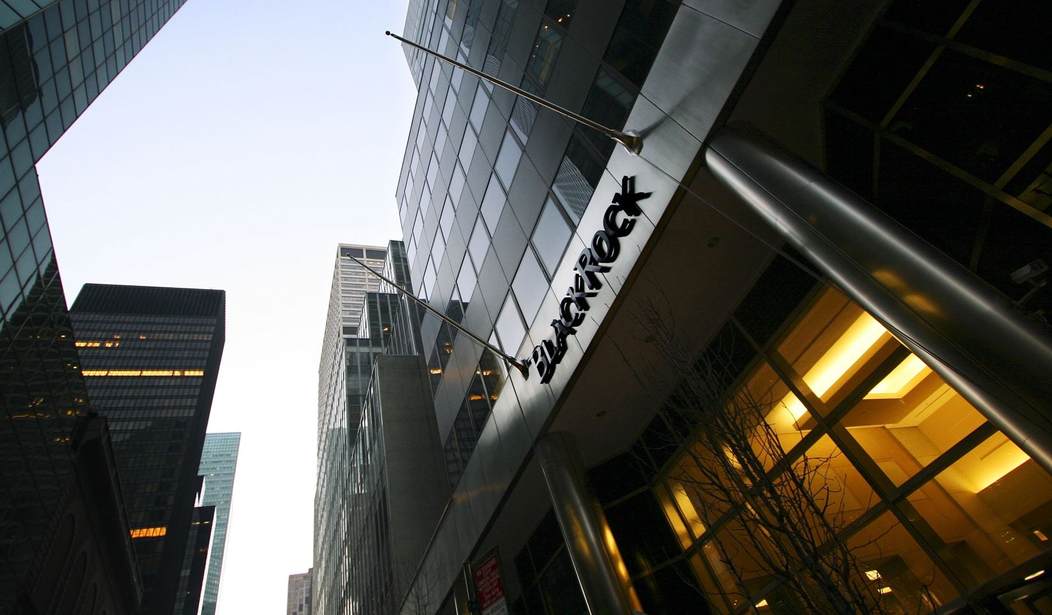
According to Morningstar, redemption spikes at Blackstone Private Credit (BCRED), Apollo, Ares, and Blue Owl show a broad investor desire to get out, not just idiosyncratic noise.
You may dismiss Sarin as a crazed liberal Cassandra, but she presents some interesting data points for her case.
Here is a concise table of withdrawal requests and actual withdrawals, collated by AI. Funds sometimes limit how much you can withdraw at any given time to ensure that funds can be invested for the long term.
Private credit fund redemptions (latest quarter referenced)
| |||||||||||||||||||||||||||||||||||||||
Blackstone has given its own funds a vote of confidence by paying out more than it was contractually liable to return to investors. Other funds not so much.
Some claim the happy talk coming out of private equity firms should be discounted, much like that coming out of Bear Stearns in 2008 in the days and even hours before it sank beneath the waves. Others argue that there is no imminent systemic collapse.
Related: Stock Market Up! Hormuz to Open! Trump and Hegseth at Odds! CHAOS!
Does this withdrawal of funds by the money boys on Wall Street indicate broader financial instability? Or is this just a painful repricing and shakeout in private credit that strong banks, with more tools and slower‑moving structures, can weather safely?
What is clear is that there will be much sharper scrutiny of firms looking for capital in the private equity market. How this will impact the broader economy and the jobs market, which often lives or dies on startups and smaller businesses, remains to be seen.
Join PJ Media VIP today and get 60% off with promo code FIGHT. Join now to support this news site, go ad-free, and comment as you see fit.

Join the Conversation
VIP members get the ability to comment on articles.