







Like many states, Wisconsin is split between conservative rural areas and liberal cities. Nearly smack-dab in the middle of the state sits Stevens Point, and its metro runs deep blue, especially near the university. Plover sits immediately south of Point, sharing a border.
Francesca Hong serves as a state representative, is the Democratic frontrunner for governor, and is pushing a plan for 100% clean electricity by 2040 through the Climate Accountability Act.
Hong sponsored the bill that demands a 52% cut in emissions by 2030 and carbon neutrality by 2050.
I’m a very proud sponsor of the Climate Accountability Act… It’s very similar to what’s been introduced in Michigan, and focus on building renewable power and have large infrastructure by 2030, aiming to have 100% clean electricity by 2040… And labor plays a critical role in building renewable, clean energy infrastructure. And so ensuring that workers across the state are able to get clean, green jobs that pay good wages, where they have the right to collectively bargain and unionize are all part of renewable energy infrastructure. And ensuring that we are moving Wisconsin towards clean energy and addressing the climate crisis head-on.
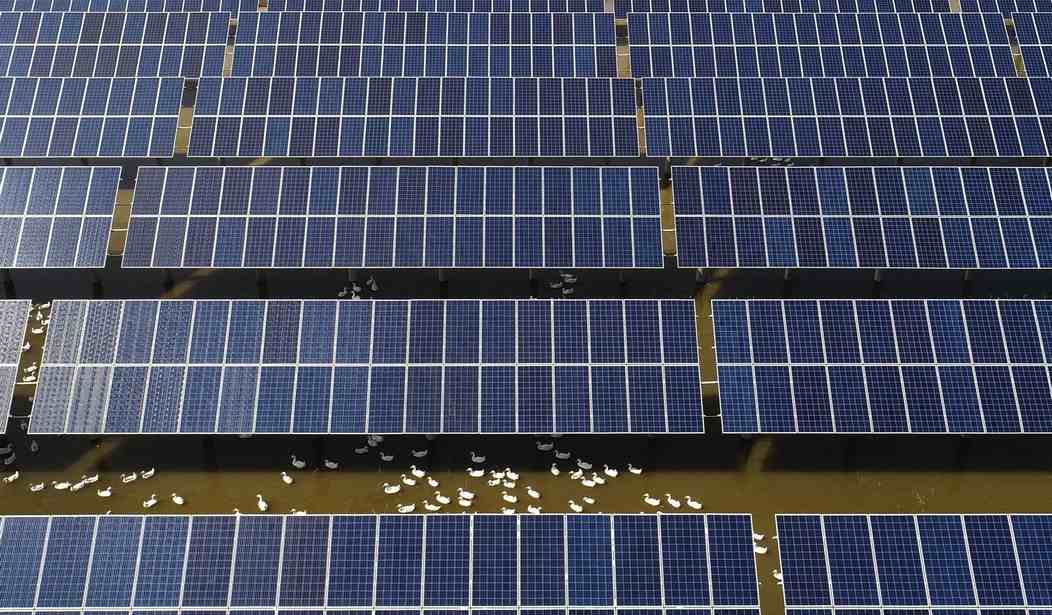
Doral Renewables LLC is a Philadelphia-based company that's planning a massive solar farm, named Vista Sands, in Plover and nearby towns in Portage County. The project covers thousands of acres of prime farmland and aims for 1.3 gigawatts of power along with battery storage.
Vista Sands Solar Farm is committed to growing opportunities in Portage County. The project will bring a total capital investment of nearly $2 billion and create approximately creating 500 jobs during construction and about 50 permanent jobs, helping stimulate economic activity that benefits everyone.
The project marks a significant step forward for the State of Wisconsin as it looks to achieve carbon-neutrality by 2050. Vista Sands Solar Farm is expected to avoid approximately 1.7 million metric tons of carbon emissions in its first year alone, while reducing thousands of metric tons of other harmful pollutants currently impacting human health.
Developers reached a deal to protect greater prairie chickens, yet local officials continue to challenge road agreements and broader impacts tied to the project. The Village of Plover has raised concerns about compliance and the strain placed on local infrastructure and residents.
In February, Wisconsin Wildlife Federation filed an appeal in Columbia County circuit court, aimed at overturning or modifying the PSC’s decision. The group’s aim was to force better protections for prairie chickens, a species categorized as threatened by the state. The greatest concentration of the grassland birds live in the Buena Vista State Wildlife Area in Portage County.
“Certain parts of the project got pretty close to either nesting, lekking ground or habitat,” said Cody Kamrowski, executive director of the Wisconsin Wildlife Federation. “That was the basis of our appeal.”
The agreement sets aside 750 acres for the prairie chickens. Doral is also committing to making a $1 million contribution to the wildlife federation for habitat restoration and land acquisition to support prairie chicken management.
That’s in addition to the $2.1 million Doral pledged to the Wisconsin Department of Natural Resources to support the agency’s prairie chicken management plan. The company made that pledge in response to concerns raised during the state approval process about the effect it could have on the birds.
President Donald Trump continues to push for American energy independence and reliable power that supports jobs and keeps costs stable. His approach cuts subsidies and backs energy sources that deliver consistent output.
Hong and her allies move in the opposite direction, using a plan that leans heavily on solar and wind, forcing systems that depend on weather patterns and backup support. The Vista Sands project shows what follows: farmland gives way to panels, while taxpayers carry the financial burden for energy that can't meet demand around the clock.
Hong presents herself as a fighter for working people; her 2040 mandate places pressure on manufacturing and raises long-term cost concerns across rural Wisconsin. Plover residents already face the direct impact of the solar project through increased traffic, land loss, and infrastructure strain.
Those concerns aren't abstract; they affect daily life, property use, and local planning. Hong's broader agenda presses forward without addressing those realities practically.
The divide across Wisconsin keeps sharpening: rural communities vote red and focus on energy that works without interruption, while university towns and urban centers vote blue and push policies built around long-term climate goals.
Hong builds support in Stevens Point by promoting clean energy targets. Meanwhile, neighboring Plover deals with the immediate consequences of a large-scale solar project that has already triggered disputes over roads, land use, and local authority.
Trump's policy centers on energy systems that deliver steady output without heavy reliance on subsidies. He's rejected what he calls the "Green New Scam" and pushed to limit spending tied to projects that struggle with consistency.
Hong's plan channels significant funding toward developers while shifting risk onto ratepayers and taxpayers. The scale of Vista Sands highlights how those policies translate on the ground.
Local leaders in the Village of Plover have pushed back on key project details, challenging road use agreements and questioning whether developers have met obligations tied to infrastructure and land impact.
The broader push hasn't been slowed by those disputes; Hong keeps campaigning on statewide mandates while local officials handle the consequences of implementation.
That creates a clear contrast: one approach emphasizes reliability, cost control, and consistent supply. The other prioritizes rapid transition and long-term targets without resolving near-term strain on communities.
Sitting at the center of that conflict are Stevens Point and Plover; one side promotes the policy, while the other lives with the outcome.
Wisconsin's energy debate no longer sits in abstract terms. It plays out in farmland converted to industrial use, in local roads carrying increased loads, and in communities forced to adapt.
Hong's 2040 plan and the Vista Sands project move in the same direction, where the results are already visible in Portage County.
Become a VIP today and save 60% when you use promo code FIGHT.
Join the Conversation
VIP members get the ability to comment on articles.