





President Donald Trump holds a powerful card in today's energy battle. America produces more oil than any other country, and it can turn that crude into usable fuel faster than most nations.
Operation Epic Fury drove the price of oil skyward. While other nations scramble, the United States is ready to increase output and fill gaps in the world supply.
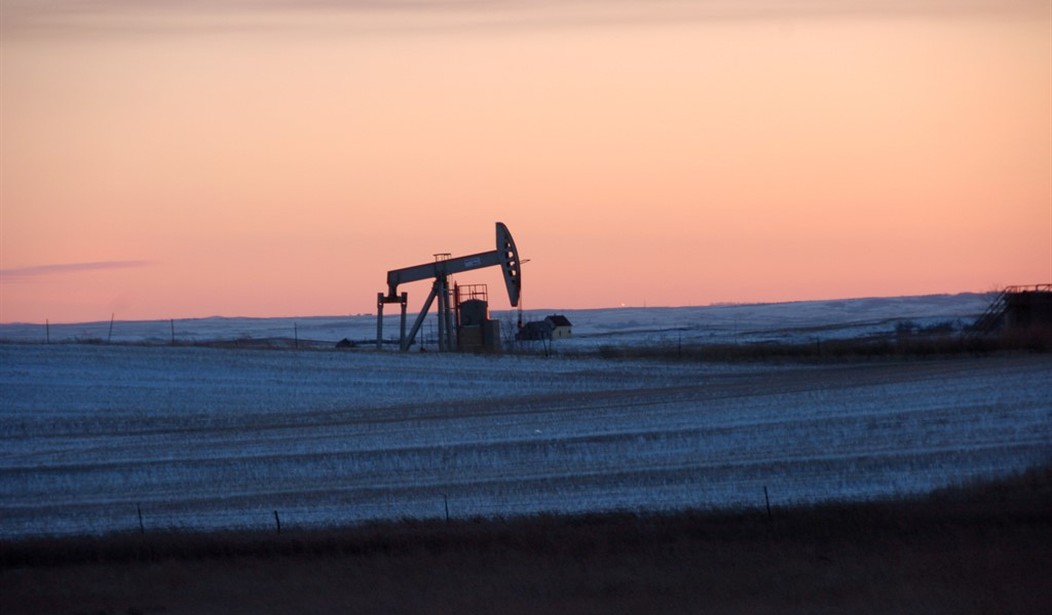
North Dakota crude output is expected to rise in March and the following months as operators in the third-largest oil-producing state restart inactive wells and winter restrictions are eased, the state's regulator said Thursday.
The North Dakota Department of Mineral Resources said, however, that the pace of activity would depend on how long oil prices stay high and that oil majors' budgets have already been set.
Oil prices have surged since the U.S. and Israel attacked Iran on Feb. 28, with U.S. West Texas Intermediate crude touching a nearly four-year high of $119.48 on March 9.
North Dakota plays a key role in that strength. The state ranks third in U.S. oil production thanks to the Bakken formation; the output stood at 1.12 million barrels per day in January. Gov. Kelly Armstrong now leads the state as operators restart inactive wells and high prices encourage more activity. State officials expect production to climb in coming months as conditions remain favorable.
Oil doesn't become gasoline the moment crews pull it from the ground. Drilling and transport take time; once crude reaches a refinery, the process moves quickly. Modern facilities heat the oil and separate it into products like gasoline, diesel, and jet fuel. Many U.S. refineries complete this work in a matter of hours or within one to two days under steady operation, a speed that gives the United States an immediate advantage when supply tightens.
Petroleum refineries convert crude oil and other liquids into many petroleum products that people use every day. Most refineries focus on producing transportation fuels. On average, U.S. refineries produce, from a 42-gallon barrel of crude oil:
- About 19 to 20 gallons of motor gasoline
- 11 to 13 gallons of distillate fuel, most of which is sold as diesel fuel
- 3 to 4 gallons of jet fuel
More than a dozen other petroleum products are also produced in refineries, including liquids the petrochemical industry uses to make a variety of chemicals and plastics. The amount (volume) of individual products produced varies from month to month and year to year as refineries adjust production to meet market demand and to maximize profitability.
Interior Secretary Doug Burgum stresses domestic energy as a national security priority. The former North Dakota governor brings an in-depth knowledge of the industry into the administration and supports policies that allow operators to quickly respond when global markets tighten, keeping production flexible and ready when disruptions hit overseas.
This ability gives the U.S. real advantages: when conflicts disrupt foreign supplies, America can ramp up output from existing wells and infrastructure. Pipelines and rail efficiently move crude. Refineries process it without long delays.
Other nations often face slower starts and bigger bottlenecks, while the U.S. system delivers usable energy quickly when it's needed most.
President Trump's support of strong domestic output positions the country to help stabilize the world markets during periods of tension. North Dakota and other energy-producing states stand ready to increase supply.
The combination of high output and rapid refining creates leverage that reaches far beyond U.S. borders. America doesn't just pump oil; it turns it into usable energy faster than any rival.
If you want more direct analysis like this without the usual noise, PJ Media VIP gives you full access at a major discount right now. Use promo code FIGHT and take 60% off your subscription here.



Join the Conversation
VIP members get the ability to comment on articles.